
Apr . 01, 2024 17:55 Back to list
high pressure rubber hydraulic hose manufacturers Performance Analysis
Introduction
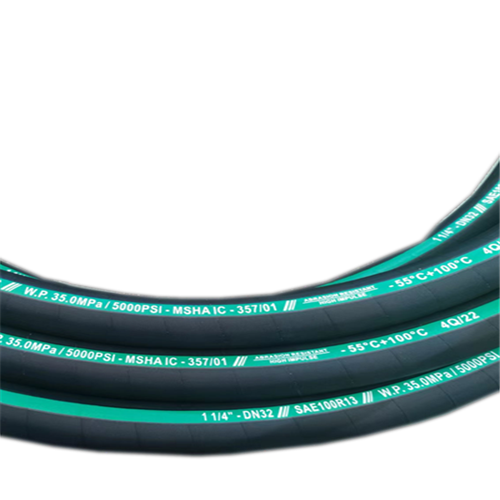
High-pressure rubber hydraulic hose is a critical component in fluid power systems, facilitating the transmission of hydraulic fluid to actuators and other components. Positioned within the broader industrial hose manufacturing sector, these hoses differ significantly from standard garden or air hoses due to their reinforced construction and capacity to withstand extreme pressures and temperatures. They are integral to industries including construction, agriculture, manufacturing, oil and gas, and material handling. Core performance characteristics encompass burst pressure, working pressure, temperature range, fluid compatibility, and dimensional stability. The selection of appropriate hose construction is paramount, driven by application-specific parameters and stringent safety regulations. A fundamental industry pain point centers on achieving consistent hose performance across varying operating conditions while minimizing the risk of catastrophic failure due to fatigue, abrasion, or chemical attack. This necessitates rigorous quality control throughout the manufacturing process and a comprehensive understanding of material properties and hose assembly best practices.
Material Science & Manufacturing
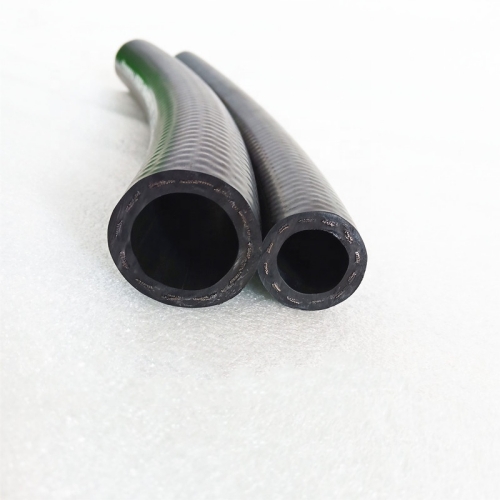
The construction of high-pressure hydraulic hose involves several key materials and manufacturing processes. The inner tube, typically made of synthetic rubber compounds like nitrile (NBR), ethylene propylene diene monomer (EPDM), or fluorocarbon (FKM – Viton®), provides resistance to the hydraulic fluid being conveyed. NBR offers excellent resistance to petroleum-based fluids, while EPDM excels in phosphate ester-based fluids. FKM provides superior chemical resistance, especially at elevated temperatures. The reinforcement layer is crucial for withstanding high pressures. Common reinforcement materials include multiple layers of high-tensile steel wire (spiral or braided), synthetic fiber (aramid, polyester), or a combination thereof. Steel wire provides the highest pressure capacity, while synthetic fibers offer flexibility and corrosion resistance. The outer cover, usually a synthetic rubber like chloroprene (CR) or polyurethane (PU), provides abrasion, ozone, and weather resistance. Manufacturing processes generally involve extrusion of the inner tube, application of reinforcement layers via winding or braiding, and extrusion of the outer cover. Precise control of extrusion temperatures, curing times, and reinforcement tension are critical parameters. Post-curing vulcanization ensures the rubber compounds achieve their desired mechanical properties. Furthermore, skiving operations are often performed on the hose ends to facilitate secure fitting attachment. Quality control includes dimensional checks, burst pressure testing, and impulse pressure testing to ensure compliance with industry standards. The inherent challenge in this process lies in maintaining consistent material distribution and layer adhesion, which directly impacts hose durability and reliability.
Performance & Engineering
The performance of high-pressure hydraulic hose is governed by a complex interplay of material properties and engineering considerations. Force analysis focuses on hoop stress within the hose wall, directly proportional to the internal pressure and hose diameter. Reinforcement layer design is critical in managing these stresses, with the number and configuration of reinforcement wires impacting burst pressure and flexibility. Environmental resistance is a significant concern; exposure to extreme temperatures, UV radiation, ozone, and corrosive fluids can degrade rubber compounds, reducing hose lifespan. Temperature cycling causes expansion and contraction, inducing fatigue stresses. Fluid compatibility dictates the suitability of the inner tube material; incompatibility can lead to swelling, softening, or chemical attack. Compliance requirements vary by region and application, often referencing standards like SAE J517, EN 853, and ISO 6393. These standards specify minimum performance criteria for burst pressure, working pressure, temperature range, and impulse pressure. Functional implementation considerations include hose bend radius (too tight a bend induces kinking and restricts flow), hose length (excessive length increases pressure drop), and fitting compatibility (proper fitting attachment is essential for preventing leakage and blow-off). A key industry pain point is the prediction of long-term hose performance under dynamic loading conditions, necessitating sophisticated finite element analysis (FEA) and accelerated life testing.
Technical Specifications
| Parameter | SAE 100R2AT | EN 853 2SN | DIN EN 857 1SN | Working Pressure (PSI) |
|---|---|---|---|---|
| Reinforcement Type | Two Steel Wire Braids | Two Steel Wire Braids | One Steel Wire Braid | Up to 3000 PSI |
| Inner Tube Material | Synthetic Rubber (NBR) | Synthetic Rubber (NBR) | Synthetic Rubber (NBR) | Varies by fluid compatibility |
| Outer Cover Material | Synthetic Rubber (CR) | Synthetic Rubber (CR) | Synthetic Rubber (CR) | Abrasion & Weather Resistant |
| Temperature Range (°F) | -40 to +212 | -40 to +212 | -40 to +176 | Application Dependent |
| Burst Pressure (PSI) | 6000 | 7250 | 4500 | Typically 4x Working Pressure |
| Hose Diameter (Inches) | 1/4" to 2" | 1/4" to 2" | 1/4" to 1" | Standard Sizes Available |
Failure Mode & Maintenance
High-pressure hydraulic hose is susceptible to several failure modes. Fatigue cracking, caused by repeated pressure cycling and flexing, is a common issue, often initiating at imperfections in the reinforcement layer or at the hose ends. Delamination, the separation of layers within the hose wall, occurs due to poor adhesion between materials or degradation of the adhesive. Abrasion, resulting from external contact with abrasive surfaces, can wear through the outer cover, exposing the reinforcement layer to corrosion. Oxidation and ozone cracking degrade the rubber compounds, reducing their flexibility and strength. Pinholes in the inner tube can lead to leakage. Blow-off occurs when the hose separates from the fitting, typically due to improper assembly or exceeding the working pressure. Regular inspection is crucial for preventative maintenance. This includes visual checks for cracks, abrasions, and leaks, as well as dimensional checks to ensure the hose is not deformed. Hoses should be replaced if any signs of damage are detected. Proper hose routing, avoiding sharp bends and contact with hot surfaces, is essential. Correct fitting selection and assembly, using calibrated tools and following manufacturer's instructions, are paramount. Flushing the hydraulic system regularly to remove contaminants helps prevent internal damage to the hose and other components. The prevailing industry challenge is developing non-destructive testing methods for early detection of internal degradation.
Industry FAQ
Q: What is the impact of impulse pressure on hydraulic hose life?
A: Impulse pressure, or pressure spikes, generates significant stress on the hose reinforcement. Even if the working pressure is within the hose's rating, repeated impulse pressures can accelerate fatigue failure. Hoses specifically designed for impulse applications incorporate enhanced reinforcement configurations to withstand these dynamic loads. The frequency and magnitude of the impulse are critical factors in determining hose lifespan.
Q: How do different hydraulic fluids affect hose selection?
A: Hydraulic fluid compatibility is paramount. Petroleum-based fluids typically require NBR inner tubes, while phosphate ester fluids necessitate EPDM. Fluorocarbon (FKM) provides broad chemical resistance and is suitable for a wider range of fluids, but at a higher cost. Using an incompatible fluid can cause the inner tube to swell, soften, or degrade, leading to premature failure.
Q: What are the key considerations when selecting hose fittings?
A: Fittings must be compatible with the hose type, size, and working pressure. Incorrectly sized or rated fittings can lead to leakage or blow-off. Fitting material should also be compatible with the hydraulic fluid. Proper crimping is essential for ensuring a secure and leak-proof connection. Using calibrated crimping tools and following manufacturer’s specifications are crucial.
Q: How important is hose bend radius in preventing failure?
A: Maintaining a proper bend radius is critical. Excessively tight bends induce kinking, restricting fluid flow and creating localized stress concentrations that accelerate fatigue failure. The minimum recommended bend radius is typically specified by the hose manufacturer and should be strictly adhered to.
Q: What is the role of hose guarding in extending service life?
A: Hose guarding, such as spiral wrapping or sleeving, provides protection against abrasion, cuts, and impacts, significantly extending hose service life in harsh environments. It also helps contain leaks in the event of a hose failure, enhancing safety. The type of guarding should be appropriate for the application and the potential hazards.
Conclusion
High-pressure rubber hydraulic hose represents a sophisticated engineering product reliant on careful material selection, precise manufacturing processes, and rigorous quality control. Optimizing hose performance necessitates a thorough understanding of fluid compatibility, pressure ratings, temperature limits, and environmental factors. Addressing the inherent challenges of fatigue failure, abrasion resistance, and chemical degradation requires ongoing innovation in material science and hose construction techniques.
Future advancements will likely focus on developing self-healing rubber compounds, implementing real-time hose monitoring systems, and utilizing advanced manufacturing techniques like additive manufacturing to create customized hose solutions. Continued adherence to international standards and a proactive approach to preventative maintenance are essential for ensuring the safe and reliable operation of hydraulic systems across diverse industrial applications.