
Apr . 01, 2024 17:55 Back to list
high pressure rubber hydraulic hose factory Performance Analysis
Introduction
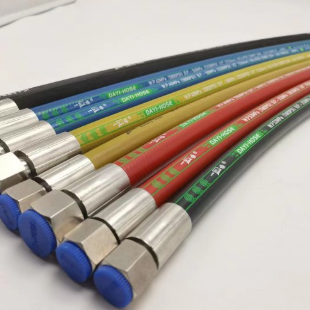
High-pressure rubber hydraulic hoses are critical components in fluid power systems, responsible for the safe and efficient transmission of hydraulic fluid to operate machinery across diverse industries. Positioned within the supply chain between raw material suppliers (rubber compounds, steel wire, synthetic fibers) and original equipment manufacturers (OEMs) in construction, agriculture, manufacturing, and automotive sectors, these hoses facilitate the power transfer necessary for operational functionality. Core performance characteristics are defined by working pressure, burst pressure, temperature range, fluid compatibility, and hose assembly integrity. The industry currently faces challenges relating to increasing operating pressures, the demand for extended service life in harsh environments, and strict regulatory compliance regarding environmental impact and safety standards. This guide provides an in-depth technical overview of high-pressure rubber hydraulic hose technology, covering material science, manufacturing processes, performance parameters, failure modes, and industry best practices.
Material Science & Manufacturing
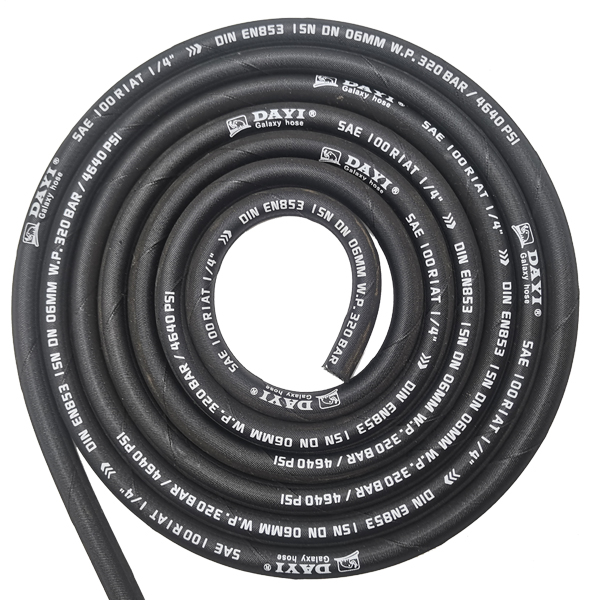
The construction of a high-pressure hydraulic hose involves a complex interplay of materials. The inner tube is typically composed of oil-resistant rubber compounds, such as nitrile rubber (NBR), chlorinated polyethylene (CM), or fluorocarbon rubber (FKM), selected based on the fluid being conveyed and operating temperature. NBR offers good abrasion resistance and compatibility with petroleum-based fluids, CM provides enhanced resistance to ozone and weathering, while FKM exhibits superior chemical resistance and high-temperature performance. Reinforcement layers, critical for withstanding high pressure, are constructed from high-tensile steel wire, spirally wound or braided. The number of layers and wire diameter directly correlate to the hose's pressure rating. A protective outer cover, often employing synthetic rubbers like synthetic polyether (SPE), provides abrasion, ozone, and weathering resistance. Manufacturing processes vary based on hose type. Braided hoses involve helically winding multiple steel wires around a mandrel, followed by rubber extrusion to encase the reinforcement. Spiral hoses utilize a single, continuously wound steel wire. Key parameters during manufacturing include precise wire tension control, consistent rubber extrusion thickness, proper curing temperatures and times to achieve optimal rubber vulcanization, and rigorous quality control checks for dimensional accuracy and defect detection. The selection of appropriate curing agents is crucial for achieving the desired mechanical properties and long-term durability of the rubber compounds.
Performance & Engineering
The performance of a high-pressure hydraulic hose is governed by several critical engineering considerations. Force analysis involves calculating hoop stress within the hose wall under internal pressure, accounting for reinforcement layer contribution. The working pressure is typically rated as a percentage (e.g., 70%) of the burst pressure to provide a safety margin. Environmental resistance is paramount; exposure to temperature extremes, UV radiation, ozone, and corrosive fluids can degrade the rubber compounds and steel reinforcement. Hose assemblies are particularly susceptible to fatigue failure due to cyclical pressure and bending. Proper hose routing, minimizing bending radius, and utilizing appropriate fittings are vital to prevent kinking and abrasion. Compliance requirements, such as those outlined in SAE J517 and EN 853 standards, dictate testing procedures for pressure resistance, impulse testing, temperature resistance, and fluid compatibility. The correct selection of fittings is also vital – incorrect fittings can drastically reduce hose performance and lead to premature failure. Consideration must be given to fitting material compatibility with the hydraulic fluid and hose cover material. Furthermore, proper crimping procedures are essential to ensure a secure and leak-proof connection between the hose and fitting.
Technical Specifications
| Parameter | Unit | SAE 100R2 AT | SAE 100R6 |
|---|---|---|---|
| Working Pressure | MPa | 34.5 | 21.0 |
| Burst Pressure | MPa | 103.4 | 63.0 |
| Temperature Range | °C | -40 to +100 | -40 to +100 |
| Inner Tube | Material | NBR | NBR |
| Reinforcement | Material | 2 wire braids | 4 spiral wire |
| Cover | Material | Synthetic Rubber (SPE) | Synthetic Rubber (SPE) |
Failure Mode & Maintenance
High-pressure hydraulic hoses are subject to various failure modes. Fatigue cracking, particularly at the crimp connections, is common due to cyclical pressure and bending. Delamination of reinforcement layers can occur due to inadequate bonding between rubber and steel wire. Rubber degradation, caused by exposure to heat, ozone, UV radiation, and incompatible fluids, results in loss of flexibility and cracking. Oxidation of steel wire can reduce its tensile strength. Pinholes in the inner tube can lead to leakage. External abrasion can compromise the cover and expose the reinforcement layers. Maintenance practices should include regular visual inspections for signs of wear, cracking, or leakage. Hose assemblies should be replaced if any damage is detected. Proper storage in a cool, dry, and dark environment is crucial to prevent premature degradation. Flush the hydraulic system regularly to remove contaminants. Monitor hydraulic fluid levels and ensure the correct fluid type is used. Utilize protective sleeves or guards in areas prone to abrasion. Implement a scheduled replacement program based on operating conditions and hose service life. Detailed documentation of hose installation dates and operating conditions is recommended to track performance and identify potential issues.
Industry FAQ
Q: What is the impact of impulse pressure on hose life?
A: Impulse pressure, or pressure spikes, significantly reduces hose life. These rapid pressure fluctuations create dynamic stresses within the hose wall, accelerating fatigue failure. Selecting hoses specifically designed for impulse duty and implementing pulsation dampeners in the hydraulic system are crucial mitigation strategies.
Q: How does fluid compatibility affect hose selection?
A: Fluid compatibility is paramount. Using an incompatible fluid can cause the inner tube to swell, soften, or degrade, leading to leakage and failure. Always verify the hose manufacturer’s fluid compatibility chart and select a hose specifically rated for the hydraulic fluid in use.
Q: What is the correct bending radius for a hydraulic hose?
A: Exceeding the minimum bending radius creates excessive stress on the hose, leading to kinking and premature failure. The minimum bending radius is typically specified by the hose manufacturer and depends on the hose diameter and construction. Adhering to the recommended bending radius is critical.
Q: What are the common causes of crimp failure?
A: Common causes of crimp failure include improper crimping procedures (insufficient or excessive crimp force), incompatible fittings, corrosion at the crimp connection, and fatigue cracking due to cyclical pressure. Regular inspection of crimps is crucial.
Q: How important is proper hose routing and protection?
A: Proper hose routing and protection are essential for maximizing hose life. Avoid sharp bends, abrasion points, and exposure to excessive heat. Utilize protective sleeves or guards where necessary to shield the hose from damage.
Conclusion
High-pressure rubber hydraulic hoses are complex engineered products critical to the function of countless industrial applications. Understanding the interplay between material science, manufacturing processes, performance parameters, and potential failure modes is vital for ensuring safe, reliable, and efficient operation. Proper selection, installation, and maintenance are paramount for maximizing hose service life and minimizing downtime.
The future of hydraulic hose technology will likely focus on developing advanced materials with enhanced resistance to harsh environments, implementing intelligent hose monitoring systems for predictive maintenance, and designing more sustainable and environmentally friendly hose constructions. Continuous improvement in manufacturing techniques and adherence to rigorous quality control standards will remain essential for meeting the evolving demands of the industry.