
Apr . 01, 2024 17:55 Back to list
high pressure oil hose supplier Performance Analysis
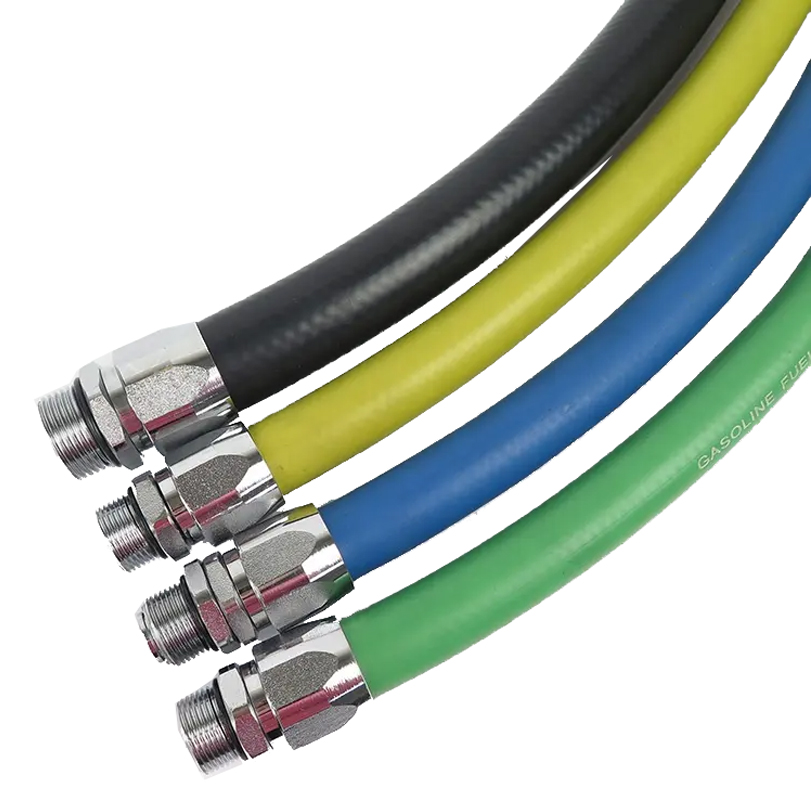
Introduction
High-pressure oil hoses are critical components in hydraulic systems, facilitating the transmission of pressurized hydraulic fluid to actuators and other components. They are fundamental to the operation of heavy machinery across numerous industries, including construction, agriculture, manufacturing, oil and gas, and mining. Their technical position within the industry chain lies between the hydraulic pump/valve assembly and the hydraulic cylinder/motor, demanding robust performance and stringent safety characteristics. Core performance parameters include working pressure, burst pressure, temperature range, fluid compatibility, and bend radius. The selection of the appropriate high-pressure hose is paramount for system reliability, efficiency, and operator safety. Increasing demands for higher operating pressures in modern hydraulic systems, coupled with the need for extended service life and reduced environmental impact, drive continuous advancements in hose materials and manufacturing techniques. A key industry pain point is premature hose failure leading to costly downtime, environmental spills, and potential safety hazards.
Material Science & Manufacturing
High-pressure oil hoses are typically constructed from multiple layers of specialized materials designed to withstand extreme pressures and harsh operating environments. The inner tube, in direct contact with the hydraulic fluid, is commonly made from synthetic rubbers such as nitrile (NBR), ethylene propylene diene monomer (EPDM), or fluorocarbon (FKM – Viton®). NBR offers excellent resistance to petroleum-based fluids, while EPDM excels in high-temperature applications and compatibility with phosphate ester fluids. FKM provides superior resistance to a wide range of chemicals and high temperatures, but at a higher cost. The reinforcement layer, critical for pressure containment, traditionally consists of multiple plies of high-tensile steel wire, spirally wound or braided. Recent advancements include synthetic fiber reinforcement (aramid or polyester) offering lighter weight and increased flexibility, albeit with potentially lower pressure ratings. The outer cover is typically a synthetic rubber (e.g., chloroprene) providing abrasion, ozone, and weather resistance.
Manufacturing processes begin with extrusion of the inner tube and outer cover to the desired dimensions. The reinforcement layer is then applied, utilizing either a spiral winding or braiding process. Spiral winding involves continuously wrapping steel wire around a mandrel, while braiding interweaves multiple strands of wire in a helical pattern. Braiding generally provides higher burst pressures and greater flexibility. Following reinforcement application, the hose is vulcanized (cured) under heat and pressure, bonding the layers together and imparting the final physical and chemical properties. Critical parameters during vulcanization include temperature, pressure, and curing time. Improper curing can lead to defects such as porosity, incomplete bonding, and reduced hose life. Quality control throughout the manufacturing process involves rigorous testing of material properties, dimensional accuracy, and hydraulic performance, including burst pressure, impulse testing, and leak testing.

Performance & Engineering
The performance of a high-pressure oil hose is governed by several key engineering principles. Force analysis centers on hoop stress within the hose wall, directly proportional to the internal pressure and hose diameter, and inversely proportional to the wall thickness. Reinforcement layers are designed to counteract this stress, preventing hose rupture. Fatigue analysis is crucial, as hydraulic systems often experience pressure pulsations and dynamic loading. Impulse testing simulates these conditions, evaluating the hose’s resistance to cyclic pressure fluctuations. Environmental resistance is paramount; hoses must maintain their integrity across a wide temperature range, resisting degradation from ozone, UV radiation, and exposure to corrosive fluids. The bend radius is a critical parameter, influencing stress concentration at the bend point. Exceeding the minimum bend radius can lead to kinking and premature failure.
Compliance requirements are dictated by industry standards (see section 7) and application-specific regulations. For example, hoses used in oil and gas exploration must meet stringent safety standards to prevent environmental contamination. Proper hose assembly is vital; incorrect crimping of fittings can significantly reduce hose strength and lead to leaks or rupture. Finite Element Analysis (FEA) is increasingly employed to optimize hose design, predicting stress distributions and identifying potential failure points. Furthermore, considerations for fluid compatibility are vital. Incompatibility between the hose inner tube and the hydraulic fluid can cause swelling, softening, or degradation of the rubber, leading to fluid leakage and system failure. Proper selection of hose material based on the specific fluid being conveyed is non-negotiable.
Technical Specifications
| Parameter | Unit | SAE 100R2 AT | DIN EN 853 1SN | SPH (Super High Pressure) |
|---|---|---|---|---|
| Working Pressure | MPa | 31.5 | 31.5 | 70 |
| Burst Pressure | MPa | 105 | 105 | 210 |
| Temperature Range | °C | -40 to +100 | -40 to +100 | -40 to +150 |
| Inner Tube | - | NBR | NBR | FKM |
| Reinforcement | - | 2AT (Steel Wire Braid) | 1SN (Steel Wire Spiral) | Multiple Steel Wire Layers |
| Outer Cover | - | Synthetic Rubber (Abrasion Resistant) | Synthetic Rubber (Abrasion Resistant) | Synthetic Rubber (Oil & Abrasion Resistant) |
Failure Mode & Maintenance
High-pressure oil hoses are susceptible to several failure modes. Fatigue cracking, often initiated at the fitting crimp or at bend points, results from repeated pressure cycling and vibration. Delamination, the separation of reinforcement layers, is frequently caused by improper vulcanization or exposure to excessive heat. Swelling and softening of the inner tube occur due to fluid incompatibility, leading to leaks and reduced pressure capacity. Abrasion of the outer cover exposes the reinforcement layers to corrosion. Oxidation of the rubber materials, accelerated by heat and exposure to oxygen, causes hardening and cracking. Pinholes can develop due to foreign object penetration or internal defects.
Preventative maintenance is crucial. Regular visual inspections should identify signs of wear, abrasion, cracking, or swelling. Hoses should be replaced if any defects are observed. Proper routing and support minimize bending stress. Avoid sharp bends and ensure adequate clearance from hot surfaces and moving parts. Maintain clean hydraulic fluid to prevent contamination and internal damage. Implement a scheduled replacement program based on operating conditions and service life recommendations. When replacing hoses, always use properly crimped fittings and ensure compatibility with the hydraulic fluid. For detailed failure analysis, microscopic examination of fractured surfaces can reveal the root cause of the failure, informing future hose selection and maintenance practices.
Industry FAQ
Q: What is the difference between spiral hose and braided hose, and when should each be used?
A: Spiral hose, constructed with a continuously wound steel wire, offers higher burst pressures and greater flexibility than braided hose. Braided hose, utilizing interwoven steel wire strands, is generally more resistant to kinking and is often more cost-effective. Spiral hose is preferred for applications requiring extreme pressure ratings and frequent bending, while braided hose is suitable for general-purpose hydraulic systems with moderate pressure requirements.
Q: How does temperature affect the performance of a high-pressure hose?
A: Temperature significantly impacts hose performance. High temperatures can accelerate rubber degradation, reducing its elasticity and strength. Low temperatures can cause the rubber to become brittle and prone to cracking. Exceeding the specified temperature range can compromise the hose’s pressure rating and lead to premature failure. Selecting a hose material compatible with the operating temperature is critical.
Q: What is the importance of proper hose crimping?
A: Proper hose crimping is paramount for ensuring a secure and leak-proof connection between the hose and the fitting. Incorrect crimping – either too loose or too tight – can significantly reduce the hose’s burst pressure and lead to premature failure. A calibrated crimping machine and appropriately sized dies are essential for achieving a reliable crimp.
Q: How do I determine the correct hose size for my application?
A: Hose size is determined by the required flow rate and operating pressure. A larger diameter hose reduces pressure drop, but may be less flexible and more expensive. Consult hose sizing charts and consider the length of the hose run and the viscosity of the hydraulic fluid. Ensure the hose’s pressure rating exceeds the maximum system pressure by a suitable safety factor.
Q: What are the common causes of hose leaks, and how can they be prevented?
A: Common causes of hose leaks include improper fitting crimping, damage to the inner tube, degradation of the rubber materials, and corrosion of the reinforcement layers. Prevention strategies include using properly crimped fittings, selecting compatible hose materials, implementing a preventative maintenance program, and protecting hoses from abrasion and chemical exposure.
Conclusion
High-pressure oil hoses are essential components in hydraulic power transmission, demanding careful selection, installation, and maintenance to ensure optimal performance and safety. Understanding the material science, manufacturing processes, and potential failure modes is crucial for engineers and procurement professionals. Continuously evolving standards and technologies are driving improvements in hose durability, reliability, and environmental compatibility.
Future advancements will likely focus on developing lighter-weight hoses with enhanced pressure ratings, improved chemical resistance, and extended service life. The integration of sensor technology for real-time hose condition monitoring is also gaining traction, enabling predictive maintenance and preventing catastrophic failures. By prioritizing quality, adhering to industry best practices, and embracing innovative technologies, we can maximize the lifespan and efficiency of high-pressure hydraulic systems.