
Apr . 01, 2024 17:55 Back to list
high pressure oil hose Performance Analysis
Introduction
High pressure oil hose is a critical component in fluid power systems, designed to transmit hydraulic fluid to various actuators and components. Its technical position lies within the hydraulic system’s supply network, acting as the conduit between the pump, control valves, and hydraulic cylinders or motors. Core performance characteristics revolve around maintaining pressure integrity, resisting fluid permeation, and enduring dynamic flexure without failure. The industry currently faces challenges relating to increasingly demanding operating pressures, the need for extended service life in harsh environments, and compliance with stringent safety and environmental regulations. These demands necessitate sophisticated material selection and manufacturing techniques. The performance of high pressure hose directly impacts system efficiency, reliability, and operator safety, making it a focus of constant improvement and engineering scrutiny.
Material Science & Manufacturing
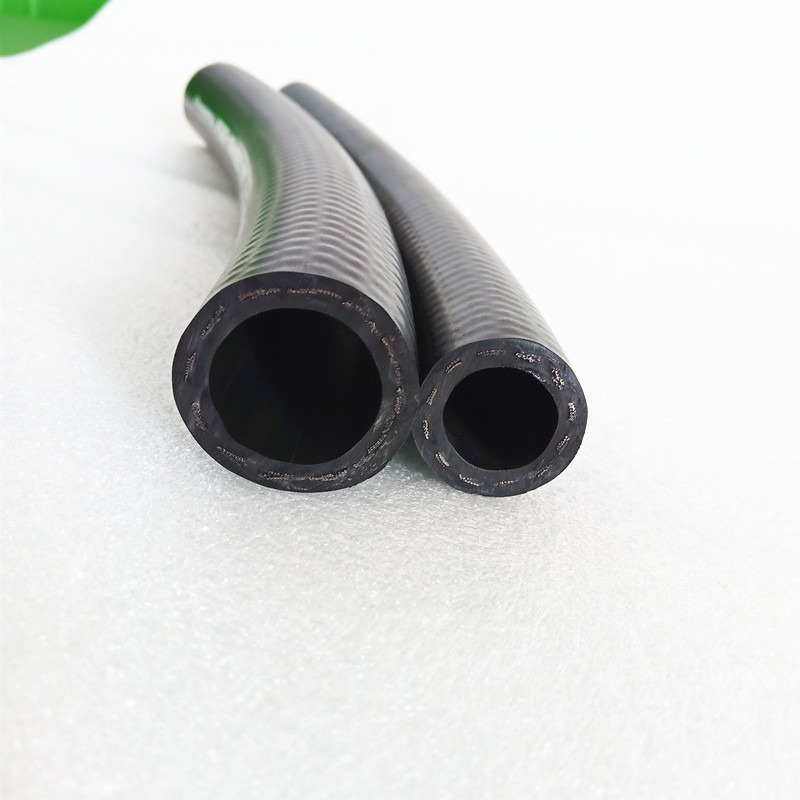
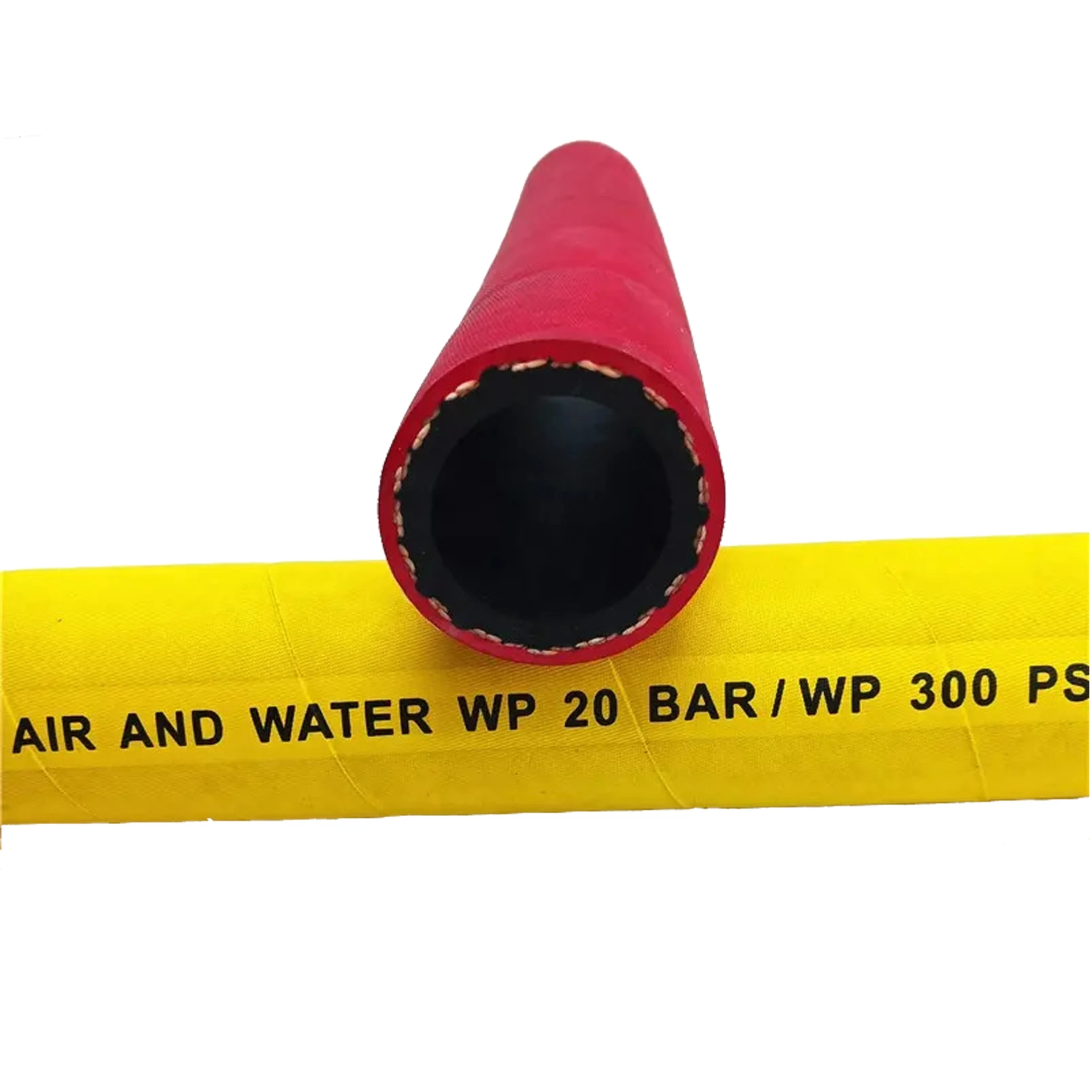
The construction of high pressure oil hose relies on a layered system of materials, each contributing specific properties. The inner tube, the fluid-contacting layer, is typically constructed from a synthetic rubber compound such as Nitrile (NBR), Ethylene Propylene Diene Monomer (EPDM), or Fluorocarbon (FKM/Viton), chosen for their resistance to hydraulic fluids, temperature extremes, and abrasion. NBR is cost-effective for general petroleum-based fluids, while EPDM excels with phosphate ester fluids. FKM provides superior resistance to aggressive chemicals and high temperatures but at a greater cost. The reinforcement layer, crucial for pressure containment, often consists of multiple braids of high-tensile steel wire. The number of braids directly correlates to the hose’s working pressure capacity. Alternatively, spiral-wound reinforcement using steel wire or aramid fiber is used for higher pressures and increased flexibility. The outer cover, providing environmental protection and abrasion resistance, is usually composed of synthetic rubbers like Chloroprene (CR) or Polyurethane (PU).
Manufacturing processes begin with the extrusion of the inner tube to precise dimensions. Reinforcement layers are then applied through braiding or spiral winding machines, carefully controlling tension and helix angle. The outer cover is extruded over the reinforcement, followed by vulcanization – a process involving heat and pressure – to chemically bond the layers together. Critical parameters during vulcanization include temperature, pressure, and time, impacting the hose's final mechanical properties and fluid resistance. Quality control involves burst pressure testing, impulse testing (simulating dynamic pressure fluctuations), and dimensional inspections to ensure adherence to specifications. Furthermore, non-destructive testing methods, such as ultrasonic flaw detection, are employed to identify potential defects within the reinforcement layers.
Performance & Engineering
High pressure oil hose performance is governed by several engineering principles. Force analysis focuses on hoop stress within the hose wall, calculated using Barlow's formula and modified to account for multiple reinforcement layers. This analysis determines the maximum allowable working pressure (MAWP) and burst pressure. Environmental resistance is critical; prolonged exposure to ozone, UV radiation, and extreme temperatures can degrade the rubber compounds, leading to cracking and reduced flexibility. Chemical compatibility assessments are crucial, as incompatible fluids can cause swelling, softening, or dissolution of the inner tube, resulting in leakage or failure.
Compliance requirements are dictated by international standards (detailed in the footer) which define testing procedures, minimum performance criteria, and safety markings. Impulse testing simulates the pulsating pressure waves inherent in hydraulic systems, assessing the hose’s fatigue life. Flexure testing determines the minimum bend radius, preventing kinking and damage to the reinforcement layers. Functional implementation considers factors such as hose routing, support spacing, and fitting compatibility. Incorrect installation can introduce stress concentrations and premature failure. The selection of appropriate fittings – typically crimped or swaged onto the hose – is paramount, ensuring a leak-proof and mechanically secure connection.
Technical Specifications
| Parameter | Unit | Typical Value (NBR Inner Tube, 2 Wire Braid) | Typical Value (FKM Inner Tube, 4 Wire Braid) |
|---|---|---|---|
| Working Pressure | MPa | 20 | 35 |
| Burst Pressure | MPa | 60 | 105 |
| Temperature Range | °C | -40 to +100 | -20 to +150 |
| Inner Diameter | mm | 12.7 | 19.1 |
| Outer Diameter | mm | 19.1 | 28.6 |
| Minimum Bend Radius | mm | 152.4 | 286 |
Failure Mode & Maintenance
High pressure oil hose is susceptible to several failure modes. Fatigue cracking, particularly in the reinforcement layers, occurs due to repeated pressure cycling and flexing. This is exacerbated by exceeding the hose’s pressure or flexure limits. Delamination, the separation of layers, can result from improper vulcanization or chemical attack. Degradation of the rubber compounds – leading to hardening, cracking, and loss of elasticity – is caused by exposure to ozone, UV radiation, and high temperatures. Oxidation of the inner tube can occur in the presence of air and heat, especially with certain fluid types. Fitting failure, often due to corrosion or improper crimping, can lead to leakage and sudden hose rupture. Abrasive wear on the outer cover can expose the reinforcement layers to corrosion.
Preventative maintenance is crucial. Regular visual inspections should identify signs of cracking, swelling, abrasion, or leakage. Hose assemblies should be periodically pressure tested to verify integrity. Proper routing and support are essential to minimize stress and vibration. Fluid contamination must be controlled to prevent internal degradation. When replacing hose assemblies, ensure compatibility with the hydraulic fluid and operating conditions. Damaged hoses should be replaced immediately; repair attempts are generally not recommended due to the risk of catastrophic failure. Record keeping of hose installation dates and maintenance history aids in proactive replacement planning.
Industry FAQ
Q: What is the impact of impulse pressure on hose life?
A: Impulse pressure, the rapid fluctuations in pressure within a hydraulic system, significantly reduces hose life. These pressure spikes create cyclic stress on the reinforcement layers, accelerating fatigue cracking. Hoses specifically designed for high-impulse applications incorporate specialized reinforcement constructions to mitigate this effect.
Q: How does fluid temperature affect hose performance?
A: Elevated fluid temperatures can accelerate the degradation of rubber compounds, reducing their flexibility and increasing the risk of cracking. Conversely, low temperatures can cause the rubber to stiffen, reducing its ability to withstand flexing. Selecting a hose with a temperature range appropriate for the application is vital.
Q: What are the key considerations when selecting hose fittings?
A: Fittings must be compatible with the hose type, fluid type, and operating pressure. The crimping or swaging process must be performed correctly to ensure a leak-proof and mechanically secure connection. Using incorrect fittings can lead to premature failure and potential hazards.
Q: How do I determine the appropriate hose size for my application?
A: Hose size is determined by the required flow rate and operating pressure. Insufficient inner diameter can cause excessive pressure drop and reduced system efficiency. The hose must also be sized to accommodate the fittings and prevent kinking.
Q: What is the difference between braided and spiral-wound hose reinforcement?
A: Braided reinforcement provides excellent resistance to bending and kinking, making it suitable for general-purpose applications. Spiral-wound reinforcement offers higher pressure capacity and greater flexibility, ideal for demanding applications with tight bend radii.
Conclusion
High pressure oil hose is a sophisticated engineered product vital for the safe and efficient operation of hydraulic systems. Its performance is dictated by a complex interplay of material science, manufacturing precision, and adherence to rigorous engineering principles. Understanding the potential failure modes, implementing preventative maintenance practices, and selecting the correct hose for the specific application are crucial for maximizing service life and minimizing downtime.
Future development in this field will likely focus on advanced materials – such as thermoplastic composites – offering increased strength-to-weight ratios and improved resistance to degradation. Smart hose technologies, incorporating sensors to monitor pressure, temperature, and hose condition, will enable predictive maintenance and enhance system reliability. Continued refinement of manufacturing processes and stricter compliance with evolving international standards will further elevate the performance and safety of high pressure oil hose.