
Apr . 01, 2024 17:55 Back to list
high pressure oil hose manufacturers Performance Analysis
Introduction
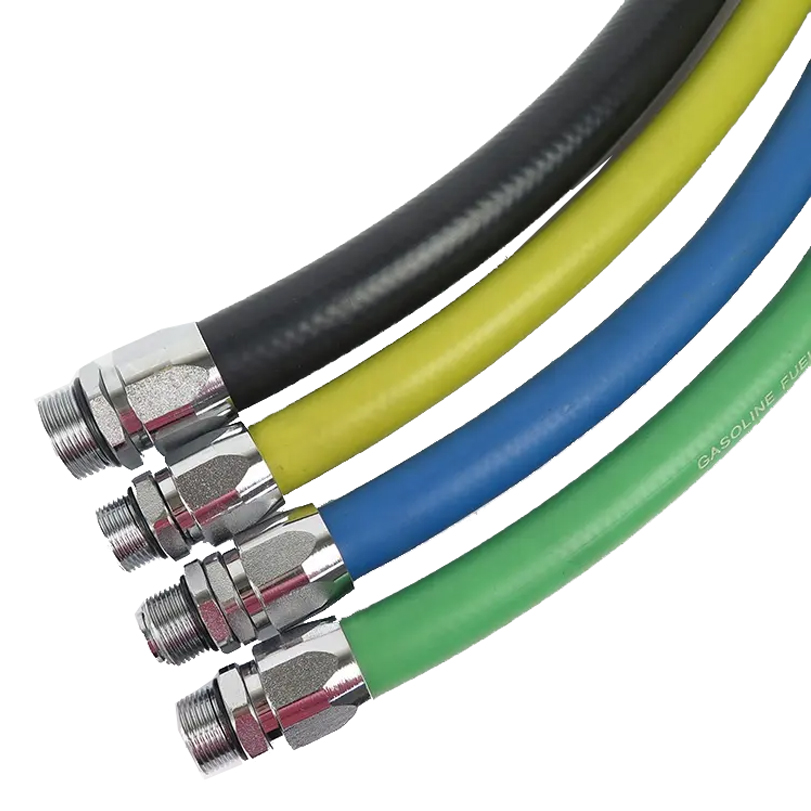
High pressure oil hose, a critical component in hydraulic systems, transmits pressurized fluid – typically hydraulic oil – to actuators and other components. Its technical position within the industrial chain is fundamental, connecting power sources (pumps) to the points of application (cylinders, motors, valves). These hoses are utilized across diverse sectors, including construction machinery, agricultural equipment, oil and gas, mining, and manufacturing. Core performance characteristics revolve around burst pressure, working pressure, temperature resistance, fluid compatibility, and flexibility. The selection of an appropriate hose is paramount to system efficiency, reliability, and operator safety. Current industry pain points center around achieving consistently high burst pressures while maintaining flexibility, mitigating material degradation in harsh operating environments (high temperature, exposure to aggressive fluids), and ensuring long-term dimensional stability to prevent leakage and premature failure. Compliance with evolving environmental regulations regarding material composition and manufacturing processes also presents a significant challenge.
Material Science & Manufacturing
The core material for high pressure oil hose construction is typically a synthetic rubber compound, predominantly based on nitrile rubber (NBR) for oil resistance, though other elastomers like chlorinated polyethylene (CPE) or fluorocarbon rubber (FKM/Viton) are utilized for enhanced temperature and fluid compatibility. Reinforcement layers, crucial for withstanding high pressure, are generally comprised of multiple plies of high-tensile steel wire, spirally wound or braided. An inner tube, providing fluid containment, must exhibit low permeability to prevent fluid loss and contamination. The outer cover, providing abrasion and environmental protection, is usually composed of a synthetic rubber blend offering UV resistance and weatherability.
Manufacturing processes involve several key stages. The inner tube is extruded, and the reinforcement layers are applied via a winding or braiding process. Critical parameter control during reinforcement application is essential – consistent wire tension and helix angle directly impact burst pressure and fatigue life. The outer cover is then extruded over the reinforcement, followed by vulcanization – a curing process using heat and pressure to crosslink the rubber molecules, imparting elasticity and strength. Post-vulcanization inspection includes pressure testing to 1.5 times the working pressure, dimensional verification, and leak testing. Quality control throughout each stage is vital. Specifically, variations in rubber compound formulation (polymer blend ratio, filler content) impact flexibility and temperature resistance, while inconsistencies in wire diameter or winding tension compromise burst strength. Specialized techniques like non-destructive testing (NDT), utilizing ultrasonic or radiographic methods, are used to detect internal flaws in the reinforcement layers.
Performance & Engineering
Performance is heavily governed by force analysis – specifically, hoop stress within the hose wall under internal pressure. The reinforcement layers bear the brunt of this stress, and their design dictates the hose’s burst pressure capacity. Finite Element Analysis (FEA) is routinely employed to model stress distribution and optimize reinforcement geometry. Fatigue life is a critical consideration, as hoses are subject to cyclical pressure fluctuations. Understanding the S-N curve (stress versus number of cycles to failure) for the specific materials and construction is essential. Environmental resistance is another key factor. Exposure to extreme temperatures (both high and low) can degrade rubber compounds, reducing flexibility and increasing the risk of cracking. Compatibility with the conveyed fluid is vital; certain fluids can cause swelling or softening of the rubber, leading to leakage or failure. Compliance requirements vary by region and application. For example, hoses used in the oil and gas industry must meet stringent API Q1 standards, while those used in automotive applications are subject to SAE J517 and ISO 6802. Functional implementation relies on proper fitting selection and installation. Improperly crimped fittings can significantly reduce hose strength and create leak paths. Regular inspection for abrasion, kinking, and fluid leaks is essential for maintaining system integrity.
Technical Specifications
| Parameter | Unit | Typical Value (NBR Hose, Steel Wire Reinforcement) | Test Standard |
|---|---|---|---|
| Working Pressure | MPa | 20 | SAE J517 |
| Burst Pressure | MPa | 80 | SAE J517 |
| Temperature Range | °C | -40 to +100 | ISO 6802 |
| Inner Tube Material | - | Nitrile Rubber (NBR) | ASTM D2000 |
| Reinforcement Material | - | High Tensile Steel Wire | ASTM A228 |
| Outer Cover Material | - | Synthetic Rubber Blend (CPE/NBR) | ASTM D2000 |
Failure Mode & Maintenance
Common failure modes include burst failure due to exceeding the working pressure or fatigue cracking from cyclical pressure loading. Reinforcement wire breakage, often initiated by corrosion or manufacturing defects, can significantly reduce hose strength. Inner tube degradation, caused by fluid incompatibility or high temperature exposure, leads to swelling, softening, and eventual leakage. Outer cover abrasion or cracking compromises environmental protection, allowing moisture and contaminants to reach the reinforcement layers and accelerate corrosion. Kinking or twisting can create localized stress concentrations, leading to premature failure. Delamination – separation of the reinforcement layers from the rubber matrix – is often a result of inadequate bonding during vulcanization or exposure to harsh chemicals.
Preventive maintenance is crucial. Regular visual inspection for abrasion, cracks, and leaks should be performed. Hoses should be replaced if any signs of damage are observed. Ensure fittings are properly crimped and tightened. Avoid sharp bends or kinking. Implement a fluid compatibility check to ensure the hose material is suitable for the conveyed fluid. Store hoses in a cool, dry environment away from direct sunlight and ozone sources. Periodic pressure testing can help identify hoses approaching their end-of-life. In the event of a leak, immediately shut down the system and replace the affected hose. Thorough cleaning of the hose and fitting connection surfaces before installation is also recommended to prevent contamination.
Industry FAQ
Q: What is the impact of impulse pressure on hose life?
A: Impulse pressure, or pressure spikes, significantly reduces hose life. These rapid pressure fluctuations create dynamic stresses that accelerate fatigue failure. Hoses designed for impulse duty incorporate specialized reinforcement constructions to mitigate these effects. Selecting a hose with an appropriate impulse rating for the application is crucial. Hydraulic accumulators or pulsation dampeners can also be used to reduce impulse pressure.
Q: How does temperature affect hose performance?
A: Temperature extremes degrade rubber compounds. High temperatures accelerate oxidation and reduce elasticity, while low temperatures reduce flexibility and increase the risk of cracking. Exceeding the specified temperature range can dramatically shorten hose life. Selecting a hose material with the appropriate temperature resistance for the application is vital.
Q: What is the significance of the hose layline marking?
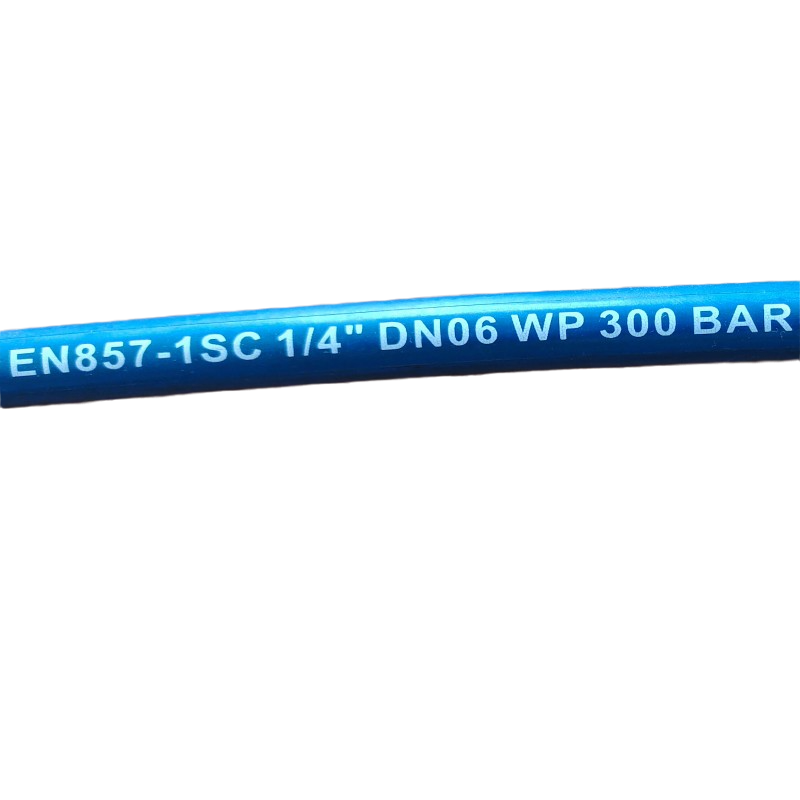
A: The layline marking provides critical information about the hose, including manufacturer, production date, working pressure, and hose type. This information is essential for traceability and quality control. It allows for proper identification and replacement of hoses, ensuring compatibility and safety.
Q: How do I select the correct fitting for a high-pressure hose?
A: Selecting the correct fitting is paramount for safety and performance. The fitting must be compatible with the hose material, size, and pressure rating. Improperly sized or incompatible fittings can create leak paths or significantly reduce hose strength. Always use fittings specifically designed for high-pressure hydraulic applications and follow the manufacturer’s recommendations for crimping procedures.
Q: What are the best practices for storing high-pressure hoses?
A: Store hoses in a cool, dry, and dark environment, away from direct sunlight, ozone sources, and heat. Avoid storing hoses with sharp objects that could cause damage. Coil hoses loosely to prevent kinking. Protect hoses from dust and contaminants. Regularly inspect stored hoses for signs of degradation.
Conclusion
High pressure oil hose selection and maintenance are critical aspects of hydraulic system integrity. Understanding the interplay between material science, manufacturing processes, and performance parameters is essential for ensuring reliable operation and minimizing downtime. The choice of elastomer, reinforcement construction, and fitting compatibility directly impacts the hose’s ability to withstand the demands of the application environment.
Looking ahead, advancements in material technology – such as the development of more durable and chemically resistant elastomers – will continue to drive improvements in hose performance. Furthermore, the integration of sensor technologies into hose constructions will enable real-time monitoring of pressure, temperature, and strain, facilitating predictive maintenance and enhancing system safety. Adherence to established industry standards and rigorous quality control procedures remains paramount for ensuring the long-term reliability and safety of high pressure oil hose systems.