
Apr . 01, 2024 17:55 Back to list
high pressure oil hose manufacturer Performance Analysis
Introduction
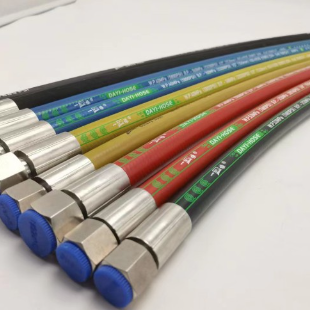
High-pressure oil hose is a critical component in hydraulic systems across a diverse range of industries, including construction, agriculture, oil and gas, and manufacturing. Functioning as a flexible conduit for the transmission of hydraulic fluid under substantial pressure, these hoses are integral to the operation of heavy machinery, power systems, and specialized equipment. This guide provides a comprehensive technical overview of high-pressure oil hose, covering material science, manufacturing processes, performance characteristics, failure modes, and relevant industry standards. A core industry pain point centers around ensuring hose reliability and longevity in demanding environments, alongside maintaining compliance with increasingly stringent safety regulations and fluid compatibility requirements. Performance is dictated by burst pressure, working pressure, temperature range, and resistance to chemical attack, factors that necessitate a deep understanding of material properties and hose construction.
Material Science & Manufacturing
High-pressure oil hoses are typically constructed from multiple layers, each serving a specific purpose. The inner tube, which directly contacts the hydraulic fluid, is commonly made from synthetic rubber compounds like Nitrile (NBR), Ethylene Propylene Diene Monomer (EPDM), or Fluorocarbon (FKM/Viton). NBR provides excellent resistance to petroleum-based fluids but has limitations in high-temperature applications. EPDM excels in resistance to heat, ozone, and weathering, making it suitable for outdoor applications. FKM/Viton offers superior resistance to a wider range of chemicals and elevated temperatures, though at a higher cost. The reinforcement layer is crucial for pressure containment and is typically comprised of multiple high-tensile strength steel wire braids or spiraled steel wire. The number of braids, wire diameter, and spiral angle directly influence the hose’s burst pressure rating. An outer cover, usually made of Chlorinated Polyethylene (CPE) or Polyurethane (PU), provides abrasion, weather, and oil resistance. Manufacturing involves extrusion of the inner tube and outer cover, followed by precise winding of the reinforcement layer. Critical parameters include consistent rubber compound mixing, accurate braid tension, and proper vulcanization (curing) to ensure optimal bonding between layers and achieve desired physical properties. Vulcanization temperature, time, and pressure are precisely controlled to achieve the desired cross-linking density of the rubber polymers, affecting flexibility and resistance to degradation.

Performance & Engineering
The performance of a high-pressure oil hose is heavily reliant on its ability to withstand internal pressure, external stresses, and environmental factors. Force analysis dictates that the stress on the reinforcement layer increases linearly with internal pressure. Therefore, precise calculation of required reinforcement is critical to achieve a suitable safety factor. Hose bend radius is another critical engineering consideration; exceeding the minimum bend radius can induce stress concentrations in the reinforcement, leading to premature failure. Environmental resistance is paramount; hydraulic fluids often operate at elevated temperatures and may contain corrosive contaminants. Compatibility between the hose material and the fluid is vital to prevent swelling, degradation, or leaching of plasticizers. Compliance requirements, such as those stipulated by SAE J517 and EN 856 standards, dictate specific performance criteria, including burst pressure, pressure drop, and temperature range. Furthermore, static and dynamic fatigue testing are essential to evaluate the hose's endurance under cyclic loading conditions. The implementation of anti-kink protection, like spiral wire guards, also enhances performance by preventing hose collapse under vacuum or bending stresses.
Technical Specifications
| Parameter | Unit | SAE 100R2 AT | SAE 100R6 |
|---|---|---|---|
| Working Pressure | MPa | 31.5 | 21.0 |
| Burst Pressure | MPa | 105 | 63 |
| Temperature Range | °C | -40 to +100 | -40 to +100 |
| Inner Tube Material | - | NBR | Synthetic Rubber |
| Reinforcement | - | Two Steel Wire Braid | Four Steel Wire Braid |
| Outer Cover Material | - | CPE | CPE |
Failure Mode & Maintenance
Common failure modes in high-pressure oil hoses include burst failure due to exceeding pressure limits, pinhole leaks resulting from abrasion or chemical attack, and fatigue cracking caused by cyclic loading. Fatigue cracking often initiates at points of high stress concentration, such as hose ends or areas subjected to repeated bending. Delamination, the separation of layers, can occur due to inadequate bonding during manufacturing or prolonged exposure to harsh chemicals. Oxidation of the rubber compounds leads to hardening and loss of flexibility, increasing susceptibility to cracking. Proper maintenance is crucial to prevent premature failure. This includes regular visual inspection for signs of damage, such as cuts, abrasions, or swelling. Hoses should be replaced if any signs of degradation are observed. Furthermore, maintaining clean hydraulic fluid and ensuring proper system filtration can significantly extend hose life. Avoid sharp bending radii and protect hoses from direct exposure to extreme temperatures and corrosive environments. Conduct periodic pressure testing to verify the integrity of the hose and identify potential weaknesses before they lead to catastrophic failure. Replacement should always adhere to manufacturer's recommendations and be performed by qualified personnel.
Industry FAQ
Q: What is the significance of the 'dash size' in hose designation (e.g., -6, -8, -10)?
A: The dash size refers to the internal diameter of the hose in sixteenths of an inch. Therefore, a -6 hose has a 6/16 inch (or 3/8 inch) inner diameter. This is a critical parameter as it directly impacts flow rate and pressure drop within the hydraulic system. Incorrect sizing can lead to inefficiencies and system malfunctions.
Q: How does temperature affect the working pressure of a high-pressure hose?
A: Elevated temperatures generally reduce the working pressure rating of a hose. As temperature increases, the rubber compounds soften, reducing their ability to contain the internal pressure. Manufacturers provide derating factors that must be applied to the working pressure rating at specific temperatures. Operating outside the specified temperature range can lead to catastrophic failure.
Q: What is the difference between a braided and a spiraled hose reinforcement?
A: Braided hoses use multiple layers of interwoven steel wire, providing excellent flexibility and resistance to kinking. Spiraled hoses use a single continuous wire wound around the inner tube, offering higher pressure ratings but with reduced flexibility. The choice between the two depends on the specific application requirements.
Q: What considerations should be made when selecting a hose for exposure to specific hydraulic fluids?
A: Chemical compatibility is paramount. Different hydraulic fluids (e.g., mineral oil, synthetic fluids, phosphate ester fluids) require different inner tube materials. Using an incompatible hose can lead to swelling, degradation, and ultimately, failure. Refer to chemical resistance charts provided by hose manufacturers to ensure proper material selection.
Q: What are the best practices for storing high-pressure hoses to maximize their lifespan?
A: Hoses should be stored in a cool, dry, and dark environment, away from direct sunlight, ozone sources (like electric motors), and extreme temperatures. They should be coiled loosely to avoid kinking or stressing the reinforcement. Avoid storing hoses in contact with incompatible materials or chemicals.
Conclusion
The selection, implementation, and maintenance of high-pressure oil hose are intrinsically linked to the overall reliability and safety of hydraulic systems. A thorough understanding of material science, manufacturing processes, and performance characteristics is essential for engineers and procurement managers to make informed decisions. Careful consideration of application-specific parameters, including pressure, temperature, fluid compatibility, and environmental conditions, is crucial for ensuring optimal hose performance and preventing premature failure.
Moving forward, advancements in hose technology will likely focus on developing materials with enhanced chemical resistance, improved temperature stability, and increased burst pressure ratings. Furthermore, the integration of smart sensors and monitoring systems will enable proactive maintenance and predictive failure analysis, minimizing downtime and maximizing operational efficiency. Adherence to established industry standards and best practices remains paramount for ensuring the long-term integrity and safety of high-pressure hydraulic systems.