
Apr . 01, 2024 17:55 Back to list
high pressure oil hose factory Manufacturing Analysis
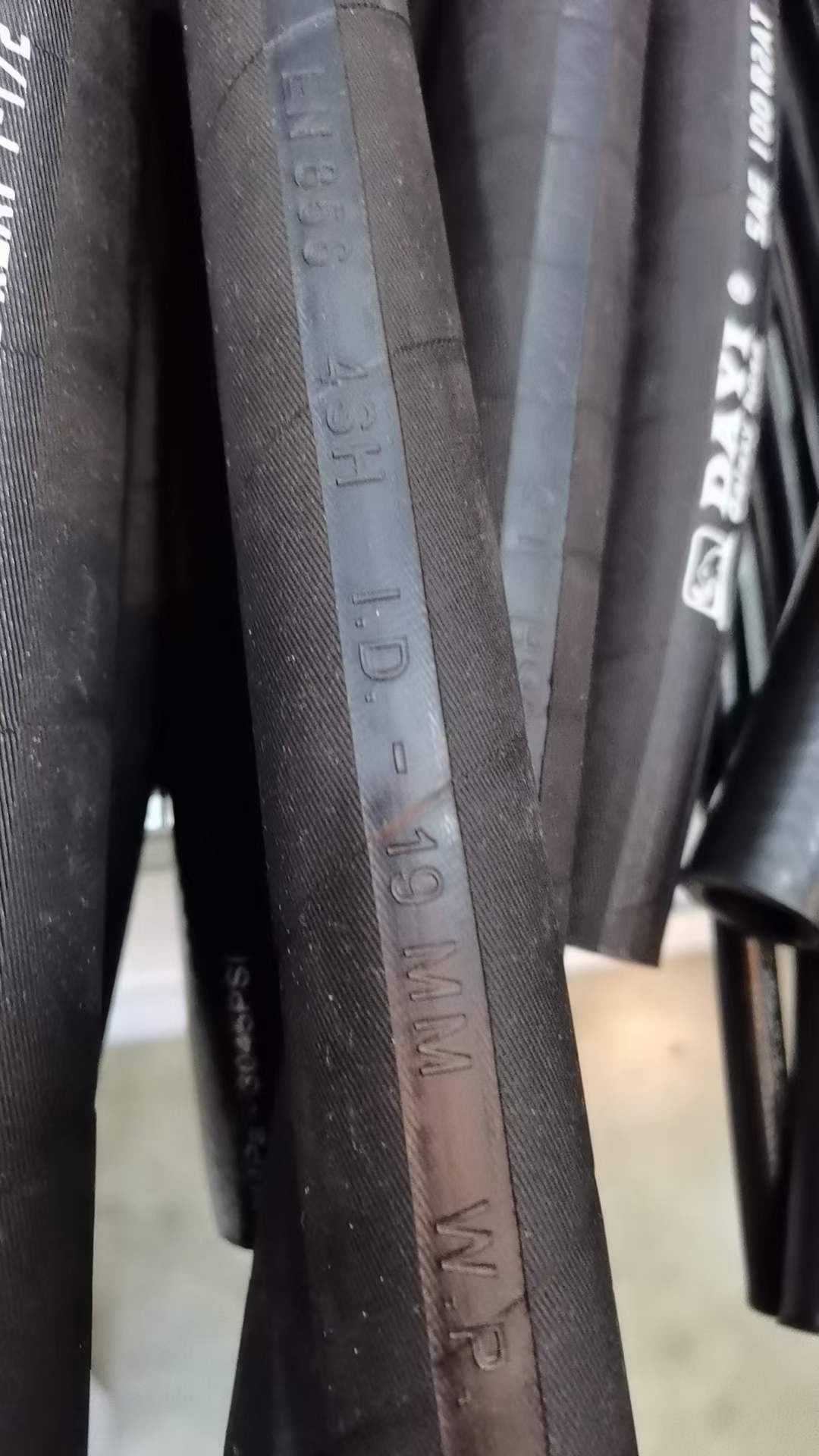
Introduction
High pressure oil hose assemblies are critical components in hydraulic systems across diverse industrial applications, including construction equipment, agricultural machinery, oil and gas exploration, and manufacturing. These hoses are engineered to safely and reliably transmit hydraulic fluid under extreme pressures and varying environmental conditions. The industry demands increasingly robust and reliable solutions due to the inherent safety risks associated with hydraulic fluid leaks and system failures. This guide provides an in-depth technical overview of high pressure oil hose design, manufacturing, performance characteristics, failure modes, and relevant industry standards. Core performance metrics include burst pressure, working pressure, impulse pressure capability, and resistance to fluid degradation and environmental factors. Understanding these aspects is vital for procurement managers, engineers, and maintenance personnel involved in hydraulic system design, operation, and maintenance.
Material Science & Manufacturing
High pressure oil hose construction typically involves multiple layers, each contributing to specific performance characteristics. The inner tube, in direct contact with the hydraulic fluid, is commonly made from synthetic rubbers like nitrile (NBR), ethylene propylene diene monomer (EPDM), or fluorocarbon (FKM/Viton) selected based on fluid compatibility and temperature range. NBR offers excellent resistance to petroleum-based fluids, EPDM excels in phosphate ester fluids and high-temperature applications, and FKM provides superior chemical resistance and high-temperature performance, though at a higher cost. Reinforcement layers are crucial for withstanding high pressures and include braided textile (typically polyester or aramid) or spirally wound steel wire. The number of layers and the material choice directly impact the hose’s burst pressure and flexibility. The outer cover, typically a synthetic rubber such as chloroprene (CR) or polyurethane (PU), provides abrasion, ozone, and weather resistance. Manufacturing processes involve extrusion of the inner tube and outer cover, followed by precise winding or braiding of the reinforcement layers. Critical parameters during extrusion include die temperature, screw speed, and cooling rate, which affect the rubber's uniformity and mechanical properties. Braiding tension and angle must be carefully controlled to ensure consistent pressure ratings and prevent premature failure. Post-processing includes curing (vulcanization) to cross-link the rubber polymers, enhancing their strength and elasticity. Quality control measures involve hydrostatic testing to verify burst pressure and impulse testing to assess fatigue resistance.

Performance & Engineering
The performance of a high-pressure oil hose is governed by several engineering principles. Burst pressure, defined as the pressure at which the hose fails catastrophically, is a fundamental design parameter. Working pressure is significantly lower, typically 50-75% of the burst pressure, providing a safety factor. Impulse pressure, representing cyclical pressure fluctuations, is a critical consideration in dynamic hydraulic systems, requiring the hose to withstand repeated stress without fatigue failure. Finite Element Analysis (FEA) is commonly used during the design phase to model stress distribution under various loading conditions and optimize reinforcement layer configuration. Environmental resistance is also paramount. Temperature extremes can affect rubber elasticity and lead to cracking or hardening. Exposure to ozone, UV radiation, and chemicals can cause degradation of the outer cover and inner tube. Hose assemblies are often subjected to salt spray testing (ASTM B117) to assess corrosion resistance. Compliance requirements, such as those mandated by SAE International (SAE J517, SAE J1926), dictate minimum performance standards and testing protocols. Fitting selection and crimping quality are equally crucial, as a poorly fitted connection is often the weakest link in the system, leading to leaks or failures. The angle of deflection, bend radius, and hose twist also influence performance and lifespan, requiring careful consideration during installation.
Technical Specifications
| Parameter | Unit | SAE 100R2 AT | SAE 100R6 AT |
|---|---|---|---|
| Working Pressure | MPa | 31.5 | 21.0 |
| Burst Pressure | MPa | 105 | 69 |
| Temperature Range | °C | -40 to +100 | -40 to +100 |
| Inner Tube | Material | Synthetic Rubber (NBR) | Synthetic Rubber (NBR) |
| Reinforcement | Material | Two Steel Wire Braids | Four Steel Wire Spirals |
| Outer Cover | Material | Synthetic Rubber (CR) | Synthetic Rubber (CR) |
Failure Mode & Maintenance
High pressure oil hose failures typically stem from several mechanisms. Fatigue cracking, caused by repeated pressure cycling, often initiates at the fitting connection or in areas of high stress concentration. Abrasion damage to the outer cover can expose the reinforcement layers, leading to corrosion and eventual failure. Chemical degradation of the inner tube due to fluid incompatibility can result in swelling, softening, and leakage. Improper installation, such as excessive bending or twisting, can induce stress and reduce lifespan. Impact damage from external forces can cause localized cracking or rupture. Corrosion of steel wire reinforcement, particularly in marine environments, weakens the hose structure. Maintenance practices should include regular visual inspections for signs of abrasion, cracking, swelling, or leakage. Hose assemblies should be replaced if any damage is detected or if they have exceeded their recommended service life. Proper storage in a cool, dry, and dark environment helps prevent degradation. Flushing the hydraulic system periodically removes contaminants that can accelerate wear. Using the correct fitting torque during installation is critical to ensure a secure connection without damaging the hose or fitting. Detailed records of hose replacement and maintenance should be maintained for traceability and failure analysis.
Industry FAQ
Q: What is the primary difference between braided and spiral wound hoses in terms of application?
A: Braided hoses offer greater flexibility and are suitable for applications with tight bend radii and frequent movement. Spiral wound hoses provide higher pressure ratings and are better suited for static applications or where minimal movement is expected. The steel wire in spiral wound hoses provides significantly higher reinforcement compared to braided textile or wire.
Q: How does temperature affect the performance and lifespan of a high-pressure oil hose?
A: Elevated temperatures can reduce the rubber's elasticity and accelerate chemical degradation, leading to premature failure. Conversely, low temperatures can cause the rubber to stiffen and become more susceptible to cracking. Maintaining the hose within its specified temperature range is critical for optimal performance and longevity.
Q: What is the importance of proper crimping when assembling a hose?
A: Proper crimping ensures a secure and leak-proof connection between the hose and the fitting. Insufficient crimping can lead to blow-off failures, while over-crimping can damage the hose reinforcement. Using calibrated crimping equipment and following manufacturer’s specifications are essential.
Q: What fluid compatibility considerations are important when selecting a hose?
A: The inner tube material must be compatible with the hydraulic fluid being used to prevent swelling, softening, or degradation. Using an incompatible fluid can lead to leaks, reduced hose lifespan, and system failure. Consult fluid compatibility charts or manufacturer’s recommendations.
Q: How often should high pressure oil hoses be inspected and replaced?
A: Hoses should be inspected regularly (e.g., monthly) for signs of damage, wear, or leakage. Replacement intervals depend on the application, operating conditions, and hose type, but generally, hoses should be replaced every 3-5 years, or sooner if any damage is detected. Record keeping is vital.
Conclusion
High pressure oil hose selection and maintenance are critical aspects of hydraulic system reliability and safety. Understanding the material science, manufacturing processes, and performance characteristics of these components is essential for engineers and procurement professionals. The appropriate hose type must be selected based on application requirements, including pressure, temperature, fluid compatibility, and environmental conditions. Implementing a robust inspection and maintenance program, including regular visual checks and timely replacement of damaged or aged hoses, is vital for preventing costly downtime and ensuring operational safety.
Future advancements in hose technology are focused on developing more durable materials, improving burst pressure capabilities, and enhancing resistance to environmental degradation. The integration of smart sensors into hose assemblies will enable real-time monitoring of pressure, temperature, and potential failure indicators, allowing for predictive maintenance and proactive system management. Adherence to industry standards and best practices remains paramount in ensuring the long-term reliability and safety of high-pressure hydraulic systems.