
Apr . 01, 2024 17:55 Back to list
High Pressure LPG Hose Performance Analysis
Introduction
High Pressure LPG (Liquefied Petroleum Gas) hose is a critical component in the safe and efficient transfer of LPG for a variety of applications including residential heating, industrial processes, and automotive fuel systems. This technical guide provides a comprehensive overview of these hoses, covering material science, manufacturing processes, performance characteristics, potential failure modes, and relevant industry standards. Unlike standard rubber hoses, high-pressure LPG hoses are engineered to withstand significantly higher working pressures and temperatures while maintaining chemical compatibility with LPG, a mixture of propane and butane. The core performance characteristic is the ability to reliably contain LPG under pressure without leakage or degradation, ensuring safety and operational continuity. Addressing industry pain points, this guide details selection criteria, preventative maintenance, and critical parameters for ensuring optimal performance and longevity.
Material Science & Manufacturing
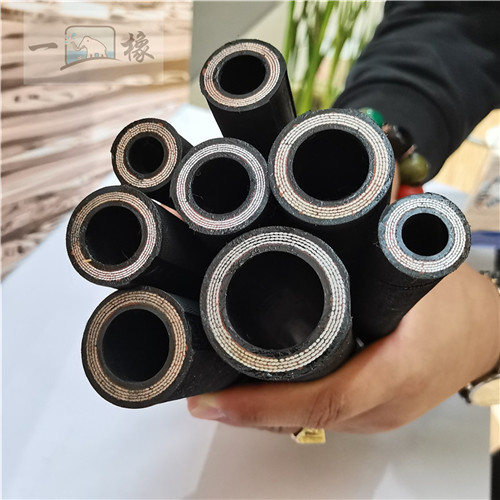
The construction of high-pressure LPG hoses typically involves multiple layers, each serving a specific function. The inner tube is commonly made of a specialized synthetic rubber compound, such as nitrile rubber (NBR) or fluoroelastomer (FKM – Viton), selected for their exceptional resistance to LPG's chemical properties and ability to prevent permeation. NBR offers a cost-effective solution for standard LPG applications, while FKM provides superior resistance to higher temperatures and more aggressive LPG mixtures. Reinforcement layers are crucial for withstanding high pressure. These typically consist of high-tensile strength textile braiding (polyester or nylon) or spirally wound steel wire. The number of layers and the material used determine the hose’s working pressure rating. An outer cover, generally composed of chloroprene rubber (CR – Neoprene) or EPDM (Ethylene Propylene Diene Monomer), provides protection against abrasion, weathering, ozone, and UV degradation.
Manufacturing processes involve precise control of several parameters. Inner tube extrusion requires careful temperature regulation and mixing ratios to ensure consistent rubber quality and dimensional accuracy. Braiding or winding processes demand precise tension control to create uniform reinforcement layers. Bonding between layers is critical and typically achieved through vulcanization, a chemical process that cross-links the rubber polymers, creating a strong and durable adhesion. Quality control during manufacturing includes hydrostatic pressure testing to verify pressure-holding capacity, impulse testing to assess resistance to pressure pulsations, and leak testing to identify any imperfections. Furthermore, material traceability is maintained throughout the process to ensure accountability and compliance.

Performance & Engineering
The performance of a high-pressure LPG hose is dictated by its ability to withstand internal pressure, external mechanical stresses, and environmental factors. Force analysis centers on hoop stress, calculated using the Barlow’s formula (σ = PD/2t, where σ is hoop stress, P is internal pressure, D is the inner diameter, and t is wall thickness). This dictates the required wall thickness and reinforcement layers for a given working pressure. Fatigue resistance is another critical engineering consideration. Pressure pulsations and repeated bending can lead to fatigue failure, particularly at connection points. Hose assemblies must be designed to minimize stress concentrations and incorporate features like swivel fittings to accommodate movement.
Environmental resistance is paramount. LPG hoses are often exposed to a wide range of temperatures, from freezing conditions to direct sunlight. Material selection must account for these extremes. Resistance to ozone, UV radiation, and chemical exposure from potential spills is also essential. Compliance requirements vary by region but generally include adherence to standards set by organizations like CGA (Compressed Gas Association), EN (European Norms), and ISO (International Organization for Standardization). Functional implementation considerations include proper hose routing to avoid kinking or abrasion, secure connection to fittings using appropriate clamps or connectors, and regular visual inspection for signs of wear or damage. The allowable bend radius is a critical factor; exceeding it can induce stress and premature failure.
Technical Specifications
| Parameter | Unit | Typical Value (Industrial Grade) | Typical Value (Automotive Grade) |
|---|---|---|---|
| Working Pressure | bar | 30 | 20 |
| Burst Pressure | bar | 90 | 60 |
| Inner Diameter | mm | 12-16 | 8-12 |
| Outer Diameter | mm | 20-28 | 14-20 |
| Temperature Range | °C | -40 to +100 | -40 to +120 |
| Material (Inner Tube) | - | NBR | FKM |
| Material (Outer Cover) | - | CR | EPDM |
Failure Mode & Maintenance
High-pressure LPG hoses are susceptible to several failure modes. Fatigue cracking, often initiated at connection points due to repeated bending and pressure pulsations, is a common issue. Permeation, the slow diffusion of LPG through the hose material, can occur over time, leading to leaks and potential safety hazards. Degradation of the rubber compound due to exposure to ozone, UV radiation, or extreme temperatures can cause brittleness and cracking. Abrasion from external contact can damage the outer cover, exposing the reinforcement layers. Improper installation, such as over-tightening clamps or exceeding the minimum bend radius, can induce stress and premature failure. Oxidation of the rubber material, particularly at elevated temperatures, leads to loss of elasticity and cracking.
Preventative maintenance is crucial. Regular visual inspections should be conducted to check for cracks, abrasions, bulges, or leaks. Hoses should be replaced if any signs of damage are detected. Connections should be inspected for tightness and corrosion. Hoses should be stored in a cool, dry, and dark environment when not in use. Avoid exposure to direct sunlight, ozone sources, and extreme temperatures. Flush the hose with inert gas after use to remove any residual LPG. Professional maintenance may involve hydrostatic pressure testing to verify the hose’s integrity. Record keeping of inspection and maintenance activities is essential for tracking hose performance and identifying potential issues.
Industry FAQ
Q: What is the impact of LPG composition (propane vs. butane) on hose material selection?
A: Butane has a lower boiling point than propane and is more susceptible to vaporization. This means butane-rich LPG mixtures require hoses with superior permeation resistance. FKM (Viton) inner tubes are often preferred for butane-rich applications due to their lower permeability compared to NBR.
Q: How does hose length affect working pressure?
A: Longer hose lengths increase the pressure drop due to friction. While the hose itself maintains its rated working pressure, the effective delivery pressure at the outlet will be lower. Consult engineering guidelines for calculating pressure drop based on hose length, diameter, and flow rate.
Q: What are the best practices for connecting hoses to fittings?
A: Always use fittings specifically designed for LPG applications and ensure they are compatible with the hose’s inner diameter. Use appropriate clamps or connectors and tighten them securely, but avoid over-tightening, which can damage the hose. Inspect connections for leaks after installation.
Q: What is the role of impulse testing in hose quality control?
A: Impulse testing simulates the effects of pressure pulsations, which are common in LPG systems. It assesses the hose’s ability to withstand repeated pressure fluctuations without failure, providing a measure of its fatigue resistance and long-term durability.
Q: How often should high-pressure LPG hoses be replaced, even with no visible signs of damage?
A: A conservative recommendation is to replace hoses every 5 years, even if they appear undamaged, due to the potential for gradual degradation of the rubber compound. However, the replacement interval should be determined based on the specific application, operating conditions, and manufacturer’s recommendations.
Conclusion
High-pressure LPG hoses are engineered components requiring careful material selection, precise manufacturing, and diligent maintenance. Understanding the interplay between pressure, temperature, chemical compatibility, and environmental factors is crucial for ensuring safe and reliable operation. Selecting the appropriate hose for the intended application, based on its technical specifications and compliance with relevant industry standards, is paramount.
The ongoing development of new rubber compounds and manufacturing techniques continues to enhance the performance and longevity of these critical components. Regular inspection, preventative maintenance, and adherence to established best practices are essential for maximizing service life and minimizing the risk of failure, ensuring continued safe and efficient LPG handling across various industrial and consumer applications.

