
Apr . 01, 2024 17:55 Back to list
high pressure hydraulic rubber hose Performance Analysis
Introduction
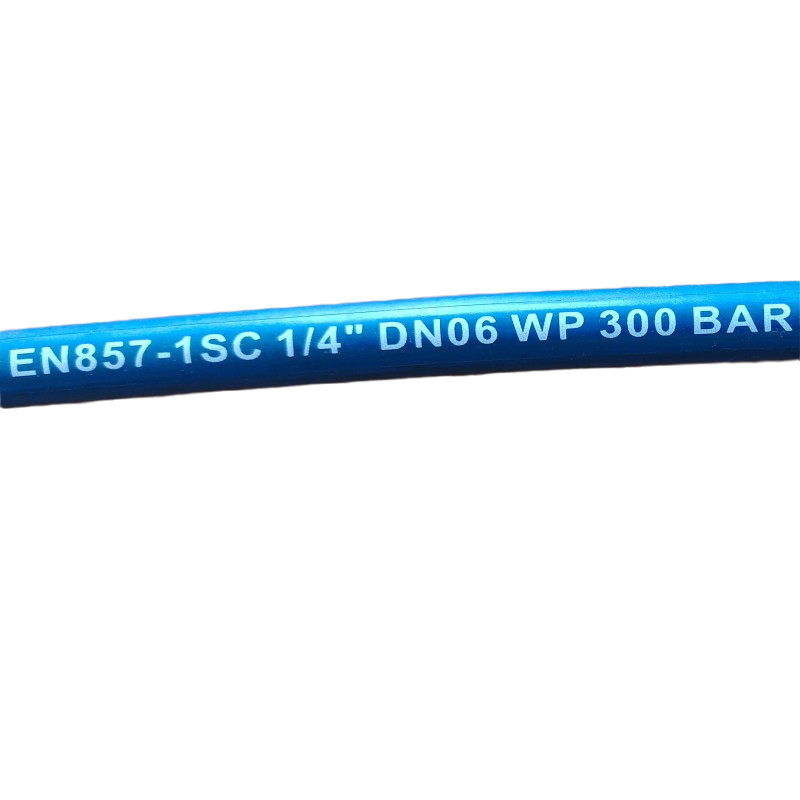
High pressure hydraulic rubber hose is a critical component in fluid power systems, responsible for transmitting hydraulic fluid to actuate machinery. Positioned within the hydraulic system between the pump and hydraulic actuators (cylinders, motors, etc.), its performance directly influences system efficiency, reliability, and safety. Core performance characteristics center around its ability to withstand extremely high pressures, resist internal and external degradation, maintain flexibility for routing, and ensure leak-free operation. A primary industry pain point lies in balancing these requirements with cost-effectiveness and achieving long service life in demanding operational environments. The industry frequently faces challenges related to premature hose failure due to exceeding pressure limits, abrasion, chemical exposure, and improper installation. This guide provides a comprehensive overview of the material science, manufacturing, performance, failure modes, and maintenance considerations for high-pressure hydraulic rubber hose.
Material Science & Manufacturing
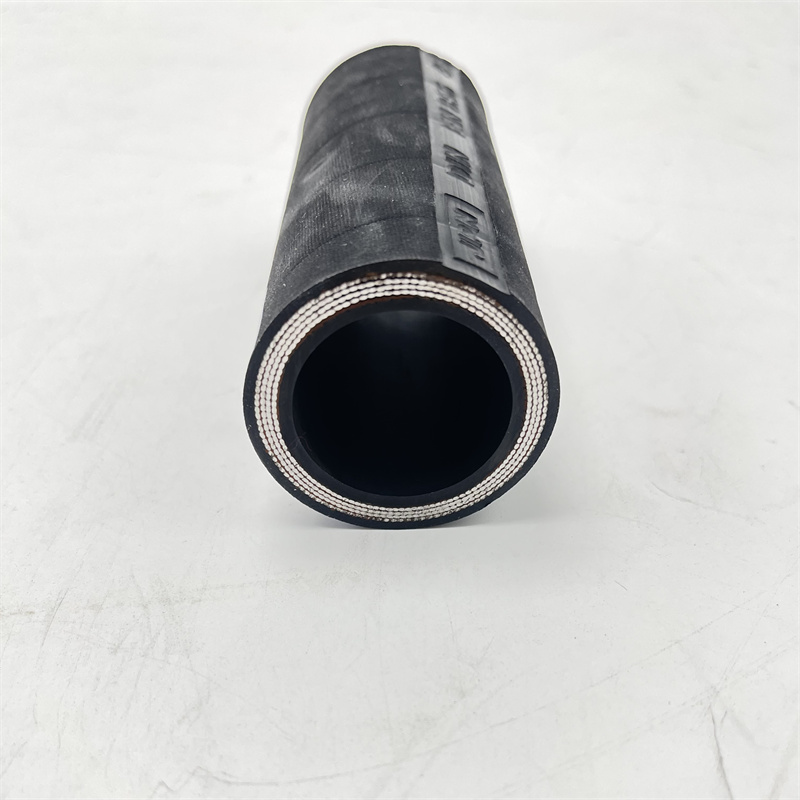
The construction of high-pressure hydraulic rubber hose typically involves multiple layers, each serving a specific purpose. The inner tube, in direct contact with the hydraulic fluid, is commonly composed of oil-resistant synthetic rubbers like Nitrile (NBR), Chloroprene (CR), or Ethylene Propylene Diene Monomer (EPDM). NBR provides excellent resistance to petroleum-based fluids, CR is suitable for moderate oil resistance and good heat resistance, and EPDM offers superior resistance to phosphate ester fluids, ozone, and weathering. The reinforcement layer(s) are crucial for withstanding high pressure. These layers consist of multiple plies of high-tensile strength steel wire, often spirally wound or braided. The number and construction of these plies directly correlate with the hose’s working pressure capability. Between the inner tube and reinforcement, an adhesive layer ensures bonding to prevent separation. Finally, the outer cover provides abrasion, weather, and chemical resistance, typically utilizing synthetic rubbers like CR or polyurethane.
Manufacturing processes vary depending on hose type. Braided hoses involve helically winding individual steel wires around a mandrel, followed by vulcanization. Spiral hoses utilize continuously wound steel wire wrapped around a central core. Critical parameters during manufacturing include accurate wire tension control, proper adhesive application, precise layering, and controlled vulcanization temperatures and durations. Vulcanization, a chemical process involving sulfur or peroxides, crosslinks the rubber polymers, enhancing its strength, elasticity, and resistance to degradation. Post-vulcanization testing, including pressure testing to burst and impulse pressures, dimensional checks, and material analysis, ensures quality control. Proper curing is paramount; under-curing leads to reduced strength, while over-curing can cause brittleness.
Performance & Engineering
Hydraulic hose performance is governed by several key engineering principles. Burst pressure, the pressure at which the hose fails catastrophically, is a primary design parameter, typically exceeding the working pressure by a safety factor (e.g., 4:1). Working pressure is the maximum pressure the hose can safely handle in continuous operation. Impulse pressure refers to pressure spikes or fluctuations that can occur in the hydraulic system, demanding that the hose withstand repeated cyclical loading without failure. Fatigue life, therefore, becomes a critical consideration. Force analysis involves calculating the hoop stress within the hose wall due to internal pressure. This stress is directly proportional to pressure and radius and inversely proportional to wall thickness. The reinforcement layer’s tensile strength must exceed this hoop stress to prevent rupture.
Environmental resistance is also critical. Exposure to extreme temperatures, UV radiation, ozone, and chemicals can degrade the rubber compounds, reducing their elasticity and strength. Hose selection must align with the operational environment. Compliance requirements, such as those stipulated by SAE (Society of Automotive Engineers) and EN (European Norms) standards, dictate hose dimensions, performance characteristics, and testing procedures. Furthermore, proper hose routing and support are essential to prevent kinking, abrasion, and excessive bending, which can compromise the hose’s integrity. End fittings must be securely attached and compatible with the hydraulic fluid to avoid leaks and corrosion.
Technical Specifications
| Parameter | Unit | Typical Value (EN 853 1SN) | Typical Value (SAE 100R2AT) |
|---|---|---|---|
| Working Pressure | MPa | 20.5 | 17.2 |
| Burst Pressure | MPa | 82 | 69 |
| Temperature Range | °C | -40 to +100 | -40 to +100 |
| Inner Tube Material | - | NBR | NBR |
| Reinforcement | - | 1 Spiral High-Tensile Steel Wire | 2 Braided High-Tensile Steel Wire |
| Outer Cover Material | - | CR | CR |
Failure Mode & Maintenance
Common failure modes in high-pressure hydraulic rubber hose include: Fatigue Cracking – caused by repeated flexing and pressure cycling, initiating at stress concentration points, such as near fittings. Abrasion – resulting from external contact with abrasive surfaces, gradually wearing away the outer cover and potentially damaging reinforcement layers. Pinholes – small leaks caused by corrosion or damage to the inner tube. Hose Twisting – inducing internal stress and weakening the reinforcement. Kinking – creating a sharp bend that restricts flow and damages the internal structure. Chemical Degradation - Exposure to incompatible fluids causing swelling, softening, or cracking of the rubber. Impact Damage - External impacts leading to localized damage or rupture.
Preventative maintenance is crucial to extending hose life. Regular visual inspections should be performed to check for abrasion, cracking, swelling, or leaks. Hose routing should be optimized to avoid sharp bends and contact with hot surfaces. Proper hose support using clamps or sleeves prevents sagging and vibration. Hydraulic fluid should be regularly analyzed for contamination, as abrasive particles can accelerate hose wear. Fittings should be inspected for corrosion and tightness. When replacing hoses, ensure compatibility with the hydraulic fluid and system pressure. Improper installation, such as over-tightening fittings or exceeding the minimum bend radius, can significantly reduce hose life. Record keeping of hose replacement dates and inspection findings helps track performance and identify potential systemic issues.
Industry FAQ
Q: What is the difference between a 1SN and a 2AT hose, and which should I use for a 20 MPa system?
A: 1SN (EN 853) hoses feature a single steel wire spiral reinforcement, offering good flexibility and moderate pressure capability. 2AT (SAE 100R2AT) hoses utilize two braided steel wire layers, providing higher pressure resistance and improved abrasion resistance. For a 20 MPa system, a 1SN hose is generally sufficient, assuming it meets the temperature and fluid compatibility requirements. However, a 2AT hose provides an added safety margin and is preferred in applications with higher vibration or risk of abrasion.
Q: How does temperature affect the working pressure of a hydraulic hose?
A: Elevated temperatures reduce the tensile strength of rubber compounds, thereby reducing the hose's ability to withstand pressure. Hose manufacturers provide derating charts that specify the allowable working pressure at different temperatures. Typically, as temperature increases, the working pressure decreases. Exceeding the derated pressure at elevated temperatures can lead to premature failure.
Q: What are the common causes of hose leaks at the fitting connection?
A: Leaks at the fitting connection can be caused by several factors, including improper crimping of the fitting, corrosion of the fitting or hose shank, damage to the sealing surfaces, or incompatibility between the fitting and hose. Ensure the correct fitting is used for the hose type and size, the fitting is properly crimped according to manufacturer's specifications, and the sealing surfaces are clean and undamaged.
Q: What is the best way to prevent hose abrasion in a mobile application?
A: Use hose guards or sleeves to protect the hose from contact with abrasive surfaces. Route the hose away from moving parts and sharp edges. Secure the hose properly to prevent it from rubbing against other components. Regularly inspect the hose for wear and replace it if abrasion is evident. Consider using a hose with an abrasion-resistant outer cover.
Q: Can I use different types of hydraulic fluid in the same hose?
A: No. Different hydraulic fluids have different chemical compositions and compatibility requirements. Using an incompatible fluid can cause the hose's inner tube to swell, soften, or degrade, leading to leaks or failure. Always verify the hose's compatibility with the hydraulic fluid before use.
Conclusion
High-pressure hydraulic rubber hose is a sophisticated engineered product demanding careful consideration of material selection, manufacturing processes, and operational parameters. Understanding the interplay between pressure, temperature, fluid compatibility, and environmental factors is essential for ensuring optimal performance and longevity. Selecting the appropriate hose type and implementing a robust preventative maintenance program are critical for minimizing downtime, maximizing system efficiency, and maintaining workplace safety.
As hydraulic systems become increasingly complex and operate in more demanding environments, continued advancements in hose materials and manufacturing techniques will be crucial. Future developments may include the integration of smart sensors for real-time condition monitoring and the development of bio-based or recyclable rubber compounds to enhance sustainability. A proactive approach to hose management, grounded in sound engineering principles and adherence to industry standards, remains paramount for reliable and efficient operation.