
Apr . 01, 2024 17:55 Back to list
high pressure hydraulic hose suppliers Performance Engineering
Introduction
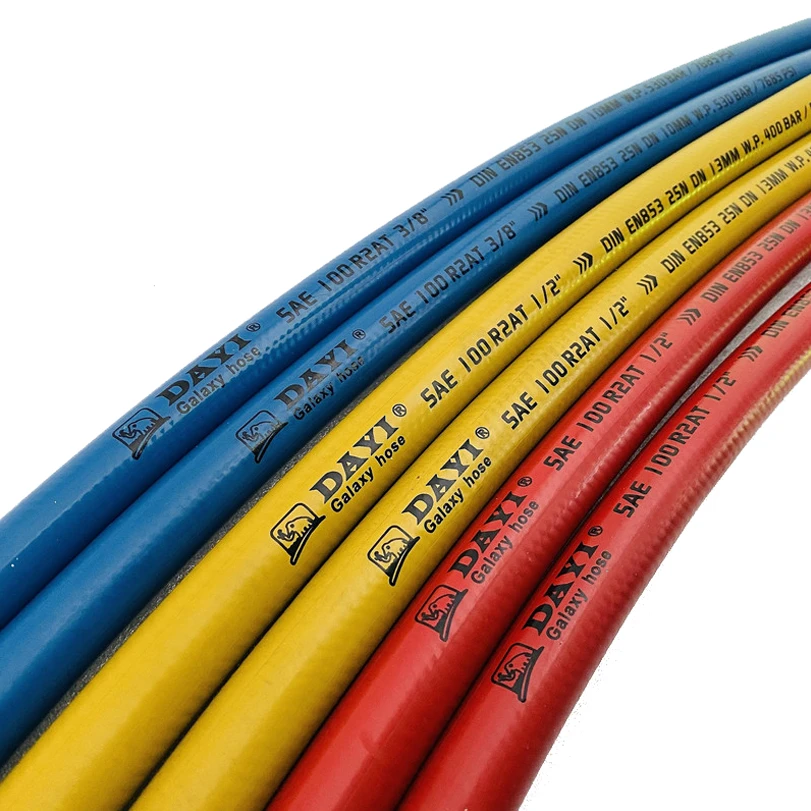
High pressure hydraulic hoses are critical components in fluid power systems, serving as the conduits for transmitting pressurized hydraulic fluid to actuators and other components. These hoses are engineered to withstand extreme pressures, temperatures, and environmental conditions, and their integrity is paramount to the safe and efficient operation of heavy machinery across diverse industries including construction, agriculture, mining, oil & gas, and manufacturing. The supply chain for these hoses encompasses raw material providers, hose manufacturers, fitting manufacturers, and distributors. The core performance characteristics—pressure rating, burst pressure, temperature range, fluid compatibility, and abrasion resistance—define their applicability and longevity. A key industry pain point centers around ensuring consistent quality, traceability of materials, and adherence to stringent safety standards to prevent catastrophic failures and minimize downtime.
Material Science & Manufacturing
The construction of high-pressure hydraulic hoses typically involves multiple layers, each contributing to specific performance attributes. The inner tube, which directly contacts the hydraulic fluid, is commonly made from synthetic rubbers such as nitrile (NBR), chloroprene (CR – Neoprene), or fluoroelastomers (FKM – Viton) chosen for their compatibility with the intended fluid and temperature range. NBR offers good resistance to petroleum-based fluids at moderate temperatures, while FKM provides superior chemical resistance and high-temperature performance but at a higher cost. Reinforcement layers are crucial for withstanding pressure. These layers usually consist of multiple braids of high-tensile steel wire, often spiraled and configured in different patterns (1SP, 2SP, 4SP, etc.) to achieve varying pressure ratings. The number of spiral layers directly correlates with the hose's burst pressure. A protective outer cover, typically made from a synthetic rubber blend (e.g., polyurethane), safeguards against abrasion, ozone, UV degradation, and weathering. Manufacturing processes involve extrusion of the inner tube and outer cover, followed by precise winding of the reinforcement layers. Critical parameters during extrusion include die temperature, screw speed, and material viscosity to ensure consistent wall thickness and void-free construction. Proper winding tension and layer adhesion are crucial for maintaining structural integrity. Post-processing steps include curing (vulcanization) to crosslink the rubber compounds, enhancing their elasticity and resistance to degradation, and quality control testing, including pressure testing to verify burst pressure and leak testing to confirm seal integrity.
Performance & Engineering
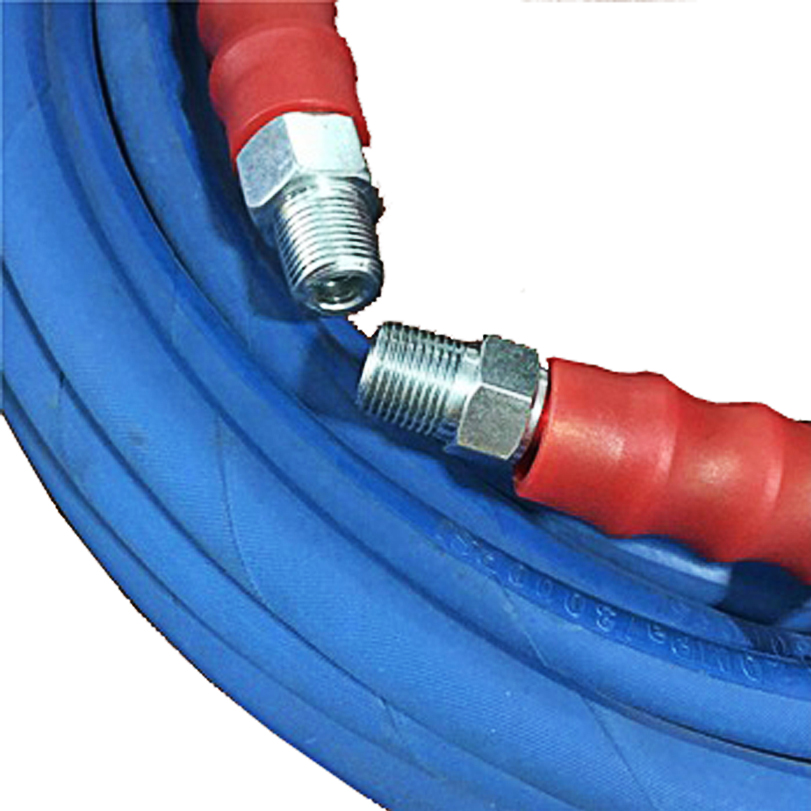
The performance of a high-pressure hydraulic hose is governed by several engineering principles. Hose pressure rating is determined by the tensile strength of the reinforcement layers and the inner diameter of the hose. The relationship follows the Barlow’s formula, though modified to account for the hose’s multilayer construction. Fatigue analysis is critical, particularly in applications involving pulsating pressures or frequent flexing. Cyclic loading can lead to fatigue cracking in the reinforcement wires, eventually causing hose failure. The bend radius is a crucial parameter; exceeding the minimum bend radius introduces stress concentrations and significantly reduces hose life. Environmental resistance is also paramount. Exposure to extreme temperatures, corrosive fluids, and abrasive particles can degrade the rubber compounds and compromise the hose’s integrity. Furthermore, hydraulic hoses must comply with relevant safety standards such as SAE J517 (USA), EN 853 (Europe), and GB/T 36862 (China) which specify performance requirements, testing procedures, and marking requirements. Finite Element Analysis (FEA) is increasingly used to simulate hose behavior under various loading conditions, optimizing hose design and predicting failure modes. Proper fitting selection is essential; mismatches between the hose and fitting can create leak paths and stress risers. The hose end termination process (crimping) must be precisely controlled to ensure a secure and leak-proof connection.
Technical Specifications
| Parameter | Unit | SAE 100 R1 AT | SAE 100 R2 AT |
|---|---|---|---|
| Working Pressure | MPa | 20.7 | 34.5 |
| Burst Pressure | MPa | 82.7 | 138 |
| Temperature Range | °C | -40 to +100 | -40 to +100 |
| Reinforcement | - | One Steel Wire Braid | Two Steel Wire Braids |
| Inner Tube | - | Synthetic Rubber (NBR) | Synthetic Rubber (NBR) |
| Outer Cover | - | Synthetic Rubber (Neoprene) | Synthetic Rubber (Neoprene) |
Failure Mode & Maintenance
High-pressure hydraulic hoses are susceptible to several failure modes. Reinforcement wire breakage, often initiated by fatigue cracking, is a common cause of catastrophic failure, especially under pulsating pressure conditions. Rubber degradation (aging) due to exposure to heat, ozone, UV radiation, and incompatible fluids leads to loss of flexibility and cracking. Abrasion from external sources damages the outer cover, exposing the reinforcement layers to corrosion. Fitting failures, such as corrosion or improper crimping, can cause leaks and weaken the connection. Internal erosion caused by fluid contaminants (particles) abrading the inner tube is another significant failure mechanism. Delamination, the separation of layers within the hose construction, reduces the hose’s ability to withstand pressure. Preventive maintenance is crucial for maximizing hose life. Regular visual inspections should be conducted to identify signs of damage, such as cracks, abrasions, bulges, and leaks. Fluid analysis can detect contamination levels and identify incompatible fluids. Hoses should be replaced proactively based on their service life and operating conditions, even if no visible damage is apparent. Proper hose routing, avoiding sharp bends and excessive flexing, is also essential. Implementing a hydraulic system filtration program to remove contaminants is vital for extending hose life and preventing internal erosion. Proper storage of hoses, protected from sunlight, heat, and ozone, can also significantly reduce degradation.
Industry FAQ
Q: What is the difference between a 1SP, 2SP, and 4SP hose, and how does it relate to working pressure?
A: 1SP, 2SP, and 4SP refer to the number of spiral reinforcement layers in the hose construction. “SP” denotes spiral. A 1SP hose has one spiral layer, a 2SP has two, and a 4SP has four. Generally, increasing the number of spiral layers significantly increases the hose’s burst pressure and working pressure capability. More reinforcement layers provide greater tensile strength to withstand the internal hydraulic forces. However, increased reinforcement also typically reduces the hose's flexibility.
Q: How do I determine the correct hose fluid compatibility for my application?
A: Fluid compatibility is critical. Refer to the hose manufacturer’s chemical compatibility charts. These charts specify which fluids (e.g., petroleum-based hydraulic oil, synthetic fluids, water-glycol) are compatible with the hose’s inner tube material (NBR, CR, FKM, etc.). Using an incompatible fluid can cause the inner tube to swell, degrade, or crack, leading to leaks and hose failure. It’s crucial to accurately identify the fluid being used in the system.
Q: What are the common causes of hose leakage at the fitting connection?
A: Leakage at the fitting connection can be caused by several factors: improper crimping of the fitting onto the hose, corrosion of the fitting or hose end, damage to the fitting seal, or a mismatch between the hose and fitting thread types. Ensure the correct crimping procedure and specifications are followed. Regularly inspect fittings for corrosion and replace them as needed. Always use fittings that are specifically designed for the hose type and pressure rating.
Q: What is the impact of exceeding the minimum bend radius on hose life?
A: Exceeding the minimum bend radius creates significant stress concentrations in the hose reinforcement and cover. This accelerates fatigue cracking and reduces the hose’s service life. The tighter the bend, the greater the stress. Proper hose routing and support are essential to maintain the bend radius within the specified limits.
Q: What role does hose guarding play in preventing failures?
A: Hose guarding is crucial for protecting the hose from external damage, such as abrasion, impact, and puncture. Guards can be sleeves or wraps made from materials like nylon or stainless steel. They shield the hose from mechanical hazards, preventing damage to the outer cover and reinforcement layers. Properly installed hose guarding significantly extends hose life and improves safety.
Conclusion
High-pressure hydraulic hoses are complex engineered components requiring careful consideration of material science, manufacturing processes, and operating conditions. Selecting the appropriate hose for a specific application necessitates a thorough understanding of pressure requirements, fluid compatibility, temperature range, and environmental factors. Consistent quality control, adherence to industry standards, and proactive maintenance are essential for maximizing hose life and preventing catastrophic failures.
The future of hydraulic hose technology will likely focus on developing lighter-weight materials, improving abrasion resistance, and incorporating smart sensors for real-time condition monitoring. Advancements in materials science, such as thermoplastic hoses, offer potential benefits in terms of weight reduction and corrosion resistance. Continued emphasis on standardized testing and certification will ensure the reliability and safety of these critical components across a wide range of industries.