
Apr . 01, 2024 17:55 Back to list
high pressure hydraulic hose supplier Performance Analysis
Introduction
High pressure hydraulic hose assemblies represent a critical component in fluid power systems across a diverse range of industries, including construction, agriculture, mining, oil and gas, and manufacturing. These hoses are engineered to safely and reliably transmit pressurized hydraulic fluid to actuators and other components, enabling the operation of heavy machinery and specialized equipment. Their technical position within the industry chain is as a directly applied power transmission element, connecting the hydraulic pump to the hydraulic cylinder or motor. Core performance characteristics center around burst pressure, working pressure, temperature range, fluid compatibility, and resistance to abrasion and environmental degradation. The persistent industry pain point centers around hose failure leading to downtime, safety hazards, and costly repairs. Selection of the appropriate hose construction, considering operating conditions and fluid type, is paramount. This guide provides a comprehensive technical overview of high pressure hydraulic hoses, covering material science, manufacturing processes, performance considerations, failure modes, and relevant industry standards.
Material Science & Manufacturing
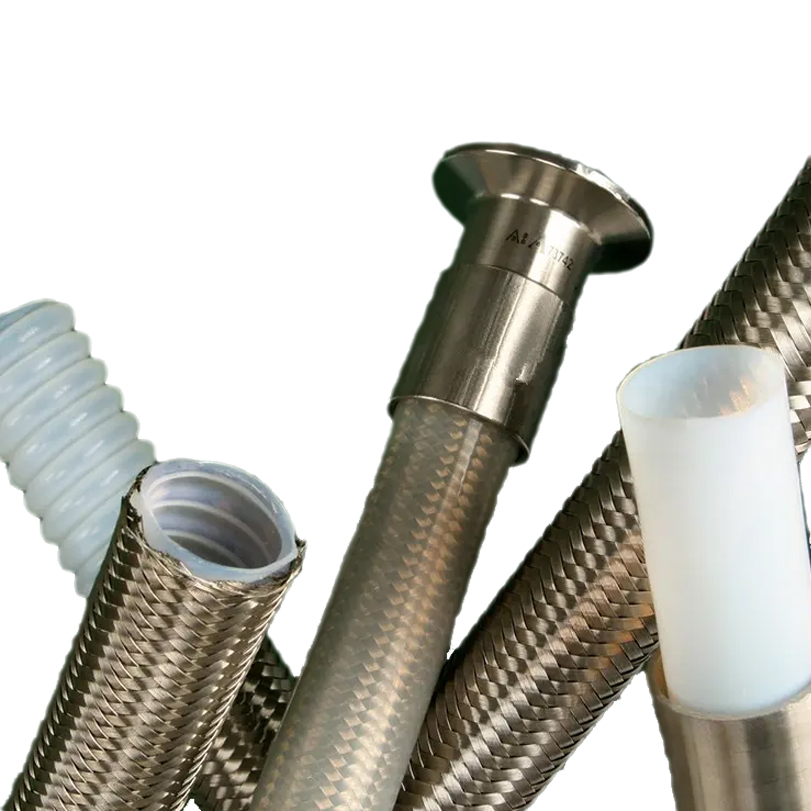
The core construction of a high pressure hydraulic hose typically involves four key layers: the inner tube, reinforcement layers, and the outer cover. The inner tube, crucial for fluid compatibility, is commonly manufactured from synthetic rubbers such as nitrile (NBR), ethylene propylene diene monomer (EPDM), or fluorocarbon (FKM - Viton®). NBR offers excellent resistance to petroleum-based fluids, while EPDM excels with phosphate ester fluids and offers superior heat and ozone resistance. FKM provides the highest level of chemical resistance, suited for aggressive fluids and high-temperature applications. Reinforcement layers, providing the hose's pressure-bearing capacity, traditionally consist of multiple braids of high-tensile steel wire. Spiral-wound reinforcement utilizing steel wire wrapped at a precise angle is also common, enabling higher pressure ratings and increased flexibility. The outer cover, providing abrasion, weathering, and oil resistance, is typically made from synthetic rubber compounds like chloroprene (CR) or polyurethane (PU). Manufacturing processes vary depending on the hose type. Braided hoses are constructed by applying layers of braided wire over a pre-formed inner tube, followed by extrusion of the outer cover. Spiral-wound hoses employ a continuous winding process, where wire is spirally wrapped around the inner tube before cover extrusion. Critical parameter control includes precise wire tension during braiding/winding, accurate rubber compound mixing and extrusion temperatures, and stringent quality control inspections for dimensional accuracy and absence of defects. Curing processes, involving heat and pressure, are vital for vulcanizing the rubber compounds and achieving optimal physical properties.

Performance & Engineering
The performance of a high pressure hydraulic hose is governed by several key engineering principles. Burst pressure, typically four times the working pressure, represents the maximum pressure the hose can withstand before catastrophic failure. Working pressure is the continuous operating pressure recommended by the manufacturer. Fatigue life, the number of pressure cycles the hose can endure before failure, is a critical consideration in dynamic applications. Hose bend radius, the minimum allowable radius for bending without damaging the reinforcement layers, directly impacts service life. Force analysis dictates that exceeding the minimum bend radius introduces excessive stress on the reinforcement, leading to premature fatigue cracking. Environmental resistance is paramount; exposure to UV radiation, ozone, extreme temperatures, and corrosive fluids can degrade the rubber compounds, reducing hose performance. Compliance requirements vary based on industry and geographic location. For example, in the automotive industry, hoses must meet SAE J517 standards, while in Europe, EN 853 standards apply. Functional implementation requires careful consideration of hose length, fitting compatibility, and proper installation techniques. Incorrect fitting installation, such as over-tightening or using incompatible fittings, can lead to leaks and hose failure. Proper hose routing, avoiding sharp bends and abrasion points, is also essential for maximizing service life.
Technical Specifications
| Parameter | Unit | SAE 100R2AT | SAE 100R6 |
|---|---|---|---|
| Working Pressure | PSI | 2250 | 1200 |
| Burst Pressure | PSI | 6750 | 3600 |
| Temperature Range | °F | -40 to +212 | -40 to +176 |
| Inner Tube | Material | Synthetic Rubber (NBR) | Oil Resistant Rubber |
| Reinforcement | Layers | Two Steel Wire Braids | Four Steel Wire Braids |
| Outer Cover | Material | Synthetic Rubber (CR) | Synthetic Rubber (CR) |
Failure Mode & Maintenance
High pressure hydraulic hoses are susceptible to several failure modes. Fatigue cracking, initiated by repeated flexing and pressure cycling, is a common cause of failure, particularly in applications with high dynamic loads. Abrasion, caused by contact with abrasive surfaces, can wear through the outer cover, exposing the reinforcement layers to corrosion. Pinholes, small punctures in the inner tube, can lead to leaks and pressure loss. Delamination, separation of the reinforcement layers, reduces the hose’s pressure-bearing capacity. Oxidation, caused by exposure to oxygen and heat, can degrade the rubber compounds, making them brittle and prone to cracking. Internal degradation can occur due to fluid incompatibility or contamination. Regular inspection is crucial for preventive maintenance. Visual inspection should focus on identifying cuts, abrasions, bulges, kinks, and leaks. Hose bend radius should be checked to ensure it meets manufacturer specifications. Fitting connections should be inspected for tightness and corrosion. Hose assemblies should be replaced if any signs of damage or degradation are observed. Proper storage, protecting hoses from UV radiation and extreme temperatures, can also extend their service life. Consider implementing a scheduled replacement program based on operating hours and environmental conditions.
Industry FAQ
Q: What is the impact of fluid velocity on hose life?
A: Higher fluid velocity can exacerbate erosion of the inner tube, particularly with abrasive fluids or suspended particles. Increased velocity also contributes to increased heat generation, which can accelerate rubber degradation. Optimizing system design to minimize fluid velocity is recommended.
Q: How does hose layline orientation affect performance?
A: The layline, the visual spiral marking on the hose, indicates the direction of the reinforcement braid. Proper layline orientation minimizes twisting during installation and operation. Incorrect layline orientation can induce stress on the hose and fittings, leading to premature failure.
Q: What are the key considerations for selecting hose fittings?
A: Fittings must be compatible with the hose type, pressure rating, and fluid type. Incorrect fitting selection can lead to leaks, hose blowouts, or corrosion. Ensure fittings meet relevant industry standards and are properly crimped or swaged onto the hose.
Q: How do I determine the appropriate safety factor for hose selection?
A: A safety factor of 4:1 is generally recommended, meaning the burst pressure should be at least four times the maximum operating pressure. However, the appropriate safety factor may vary depending on the application and the severity of the operating conditions.
Q: What is the best method for diagnosing a hydraulic hose leak?
A: Visually inspect the hose, fittings, and connections for signs of leakage. A soap and water solution can be applied to suspected leak points to identify bubbles. Care should be taken to avoid direct contact with pressurized fluid.
Conclusion
High pressure hydraulic hoses are complex engineered components vital to numerous industrial applications. Their longevity and reliability depend on careful material selection, precise manufacturing processes, and adherence to industry standards. Understanding the core principles of material science, force analysis, and failure modes is crucial for optimizing hose performance and preventing costly downtime. Selecting a hose assembly that accurately matches the application’s pressure, temperature, fluid compatibility, and environmental conditions is paramount.
Furthermore, implementing a robust preventative maintenance program, including regular inspections and scheduled replacements, significantly extends hose service life and enhances system safety. Continuous advancements in hose technology, such as the development of new rubber compounds and reinforcement materials, are driving improvements in performance and durability. Collaboration between hose suppliers, equipment manufacturers, and end-users is essential for ensuring the continued reliability of hydraulic systems.