
Apr . 01, 2024 17:55 Back to list
high pressure hydraulic hose Performance Analysis
Introduction
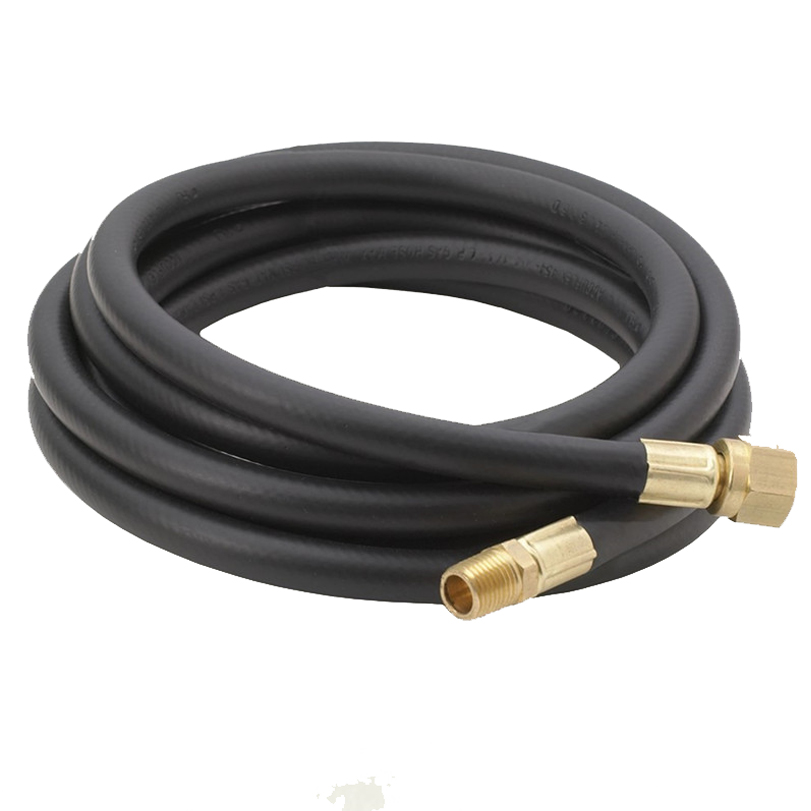
High pressure hydraulic hose is a critical component in fluid power systems, designed to transmit hydraulic fluid to operate machinery and equipment. Positioned within the industry chain as a downstream product of polymer and steel manufacturing, it serves as the final conduit for delivering pressurized fluid to actuators, motors, and other hydraulic components. Core performance characteristics revolve around pressure rating, burst pressure, flexibility, temperature resistance, and resistance to fluid compatibility. The demand for increasingly robust and reliable hydraulic hoses is driven by the need for enhanced safety, improved operational efficiency, and extended service life across diverse applications including construction, agriculture, manufacturing, and aerospace. A primary industry pain point lies in premature hose failure due to factors such as improper installation, exceeding pressure limits, fluid contamination, and environmental degradation, leading to costly downtime and potential safety hazards. Understanding the material science, manufacturing processes, and failure modes of these hoses is therefore paramount for engineers, procurement managers, and maintenance personnel.
Material Science & Manufacturing
High pressure hydraulic hose construction typically involves several layers of specialized materials. The innermost layer, the tube, is usually composed of a synthetic rubber compound – often nitrile rubber (NBR), ethylene propylene diene monomer (EPDM), or fluorocarbon (FKM/Viton) – selected for its compatibility with the hydraulic fluid being used. NBR offers good resistance to petroleum-based fluids, EPDM excels in phosphate ester fluid applications, and FKM provides superior resistance to high temperatures and aggressive chemicals. The reinforcement layer is critical for withstanding high pressures. This commonly comprises multiple braids or spirals of high-tensile steel wire. The number and configuration of these layers directly correlate with the hose’s maximum working pressure and burst pressure. Finally, the outer cover provides environmental protection and abrasion resistance, typically constructed from synthetic rubber such as chlorinated polyethylene (CPE) or polyurethane.
Manufacturing processes vary depending on the hose type. Braided hose production involves helical winding of steel wire around a mandrel, followed by extrusion of the inner tube and outer cover. Spiral-cut hose utilizes a single, continuous steel wire wound at a precise angle, offering higher flexibility. Key parameter control during manufacturing includes precise control of rubber compound mixing ratios, wire tension during braiding/spiraling, and curing temperature and time. Inconsistent curing can lead to reduced rubber elasticity and compromised pressure resistance. Steel wire surface treatment (e.g., galvanization) is crucial for preventing corrosion and ensuring long-term structural integrity. Quality control measures include hydrostatic testing to verify pressure ratings and impulse testing to assess resistance to pressure pulsations.
Performance & Engineering
The performance of a high-pressure hydraulic hose is dictated by several engineering considerations. Force analysis involves calculating hoop stress within the hose wall under pressure, ensuring that the steel reinforcement layers can adequately resist deformation and prevent bursting. Burst pressure is typically rated at a 4:1 safety factor over working pressure. Environmental resistance is a critical factor. Exposure to UV radiation, ozone, extreme temperatures, and corrosive substances can degrade the rubber compounds, reducing their elasticity and strength. Proper selection of rubber materials (e.g., CPE for UV resistance, FKM for chemical resistance) is essential.
Compliance requirements are stringent, often dictated by standards such as SAE J517, EN 853, and DIN EN 489. These standards specify testing procedures for pressure rating, impulse testing, temperature range, and fluid compatibility. Fatigue life is a key performance metric, representing the number of pressure cycles the hose can withstand before failure. This is influenced by factors such as pressure amplitude, frequency, and fluid temperature. Engineers must consider these factors when selecting a hose for a specific application, taking into account the dynamic loads and environmental conditions. Hose end fitting selection is also critical; mismatches or improper crimping can lead to leakage and catastrophic failure. Correct installation practices, including avoiding sharp bends and twisting, are essential for maximizing hose life.
Technical Specifications
| Parameter | Unit | SAE 100R2 AT | SAE 100R6 |
|---|---|---|---|
| Working Pressure | MPa | 34.5 | 21.0 |
| Burst Pressure | MPa | 138 | 84 |
| Temperature Range | °C | -40 to +100 | -40 to +71 |
| Inner Tube | Material | NBR | NBR |
| Reinforcement | Material | 2 Wire Braids | 4 Wire Spirals |
| Outer Cover | Material | CPE | CPE |
Failure Mode & Maintenance
Common failure modes in high-pressure hydraulic hose include burst failure, pinhole leaks, and end fitting failures. Burst failure is typically caused by exceeding the hose's pressure rating or fatigue cracking due to repeated pressure cycling. Pinhole leaks can result from abrasion, chemical attack, or material degradation. End fitting failures are often attributed to improper crimping, corrosion, or mechanical damage. Delamination, the separation of hose layers, can occur due to inadequate bonding between the rubber compounds and reinforcement materials. Oxidation of the rubber compounds can lead to hardening and cracking, reducing the hose's flexibility and strength.
Preventative maintenance is crucial for extending hose life. Regular visual inspections should be conducted to identify signs of damage such as cuts, abrasions, bulges, and leaks. Hose routing should be optimized to minimize bending and twisting. Hydraulic fluid should be regularly filtered to remove contaminants. End fittings should be inspected for corrosion and proper crimping. When replacing hoses, it’s critical to use compatible fittings and follow the manufacturer’s recommended torque specifications. Hoses should be stored in a cool, dry, and dark environment to prevent degradation. Establish a hose replacement schedule based on operating conditions and service intervals. Implementing a comprehensive hose management program can significantly reduce downtime and improve safety.
Industry FAQ
Q: What is the significance of impulse pressure rating in hydraulic hose selection?
A: Impulse pressure rating indicates the hose’s ability to withstand repeated pressure surges or pulsations. Hydraulic systems often generate pressure spikes, particularly with reciprocating pumps. A hose with an insufficient impulse rating will experience premature fatigue failure. The rating is expressed in cycles at a specific pressure and temperature. Matching the hose's impulse rating to the system’s pressure pulsation characteristics is vital for long-term reliability.
Q: How does hydraulic fluid compatibility affect hose selection?
A: Hydraulic fluid compatibility is paramount. Incompatible fluids can cause the inner tube material to swell, soften, or degrade, leading to leaks and failure. Different fluids require different tube materials; for example, phosphate ester fluids require EPDM tubes, while petroleum-based fluids are typically compatible with NBR. Always consult a fluid compatibility chart before selecting a hose.
Q: What are the common causes of hose twisting and how can it be prevented?
A: Hose twisting occurs when the hose rotates during operation, placing undue stress on the hose and fittings. Common causes include improper hose routing, system misalignment, and excessive hose length. Prevention strategies include using swivel fittings, providing adequate hose support, and ensuring proper system alignment. Avoid tight bends and sharp corners.
Q: What is the role of the outer cover in hydraulic hose performance?
A: The outer cover provides critical protection against abrasion, ozone, UV radiation, and oil contamination. It protects the reinforcement layers from corrosion and enhances the hose's overall durability. Selecting a cover material appropriate for the operating environment is crucial. CPE offers good UV and ozone resistance, while polyurethane provides superior abrasion resistance.
Q: What are the best practices for crimping hose fittings?
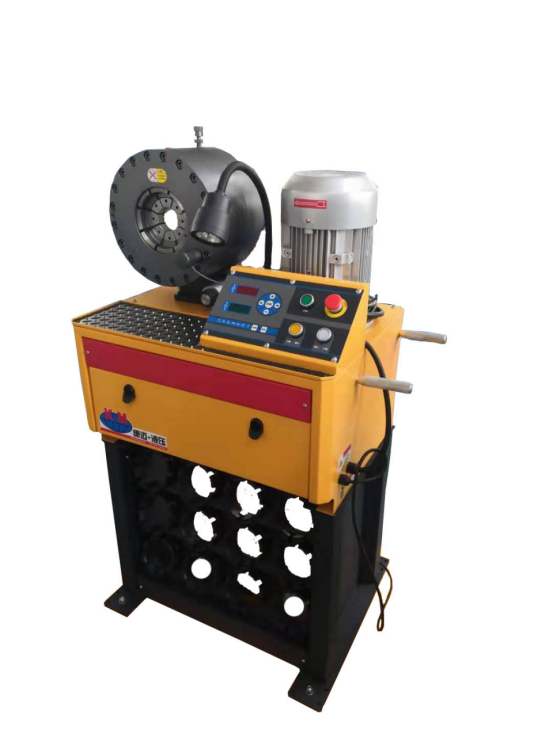
A: Proper crimping is essential for a leak-free and reliable connection. Use fittings specifically designed for the hose type and size. Ensure the crimping machine is properly calibrated and maintained. Follow the fitting manufacturer’s recommended crimp specifications, including crimp diameter and force. Inspect the crimp for proper indentation and secure attachment. A poorly crimped fitting is a common point of failure.
Conclusion
High pressure hydraulic hose represents a foundational element in countless industrial applications, demanding a thorough understanding of material science, manufacturing techniques, and performance characteristics. The selection process requires careful consideration of pressure rating, fluid compatibility, environmental factors, and applicable industry standards. Premature hose failure is often attributable to improper installation, exceeding operational limits, or inadequate maintenance practices, resulting in significant downtime and safety risks.
Future advancements in hydraulic hose technology are focused on developing lighter-weight materials, enhancing impulse pressure resistance, and improving resistance to extreme temperatures and aggressive chemicals. Implementing proactive hose management programs, including regular inspections, preventative maintenance, and adherence to industry best practices, will remain critical for maximizing hose life, reducing operational costs, and ensuring the safe and reliable operation of hydraulic systems.