
Apr . 01, 2024 17:55 Back to list
high pressure hydraulic hose manufacturer Performance Analysis

Introduction
High pressure hydraulic hose serves as a critical component in fluid power systems across a diverse range of industries, including construction, agriculture, manufacturing, oil & gas, and automotive. Its function is to safely and efficiently transmit hydraulic fluid under extreme pressure to operate hydraulic machinery. These hoses differ significantly from low-pressure hoses in construction, materials, and manufacturing processes, primarily focusing on maintaining integrity and preventing catastrophic failure. The technical challenges center around exceeding burst pressure requirements, resisting abrasion, maintaining flexibility at extreme temperatures, and compatibility with a wide array of hydraulic fluids. This guide provides an in-depth examination of high-pressure hydraulic hose technology, encompassing material science, manufacturing processes, performance characteristics, failure modes, and relevant industry standards. The core pain point for end-users revolves around minimizing downtime due to hose failure, ensuring worker safety, and optimizing operational efficiency. Selecting the correct hose for a given application requires a comprehensive understanding of these factors.
Material Science & Manufacturing
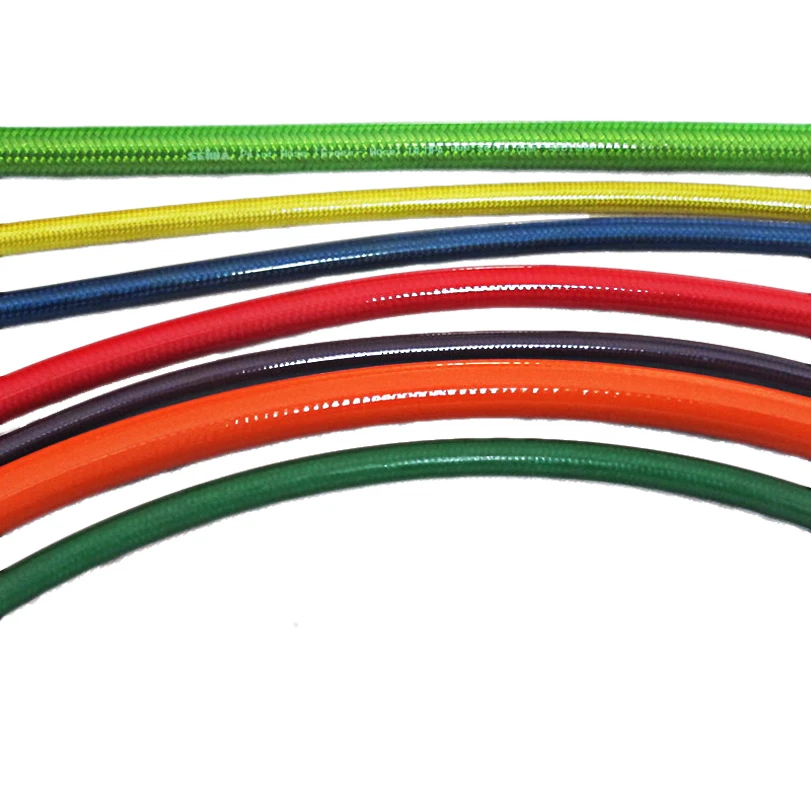
High pressure hydraulic hose construction fundamentally relies on a multi-layered design. The inner tube, typically constructed from a synthetic rubber compound such as nitrile (NBR), chloroprene (CR) or fluorocarbon (FKM – Viton), provides compatibility with various hydraulic fluids, including petroleum-based oils, phosphate esters, and water-glycol mixtures. The choice of inner tube material is dictated by fluid type, temperature range, and pressure requirements. NBR offers excellent abrasion resistance and is suitable for general-purpose applications. CR provides enhanced resistance to ozone and weathering. FKM exhibits superior chemical resistance and high-temperature performance, crucial for demanding environments. Reinforcement layers are the core of the hose’s pressure-handling capability. These layers typically consist of high-tensile strength steel wire, spirally wound or braided, determining the hose’s pressure rating and flexibility. The number of layers and wire diameter are critical parameters. A cover, commonly made of abrasion-resistant synthetic rubber (e.g., polyurethane), provides external protection against damage from abrasion, weathering, ozone, and oil. Manufacturing processes include extrusion for the inner tube and cover, followed by wire winding or braiding. Critical parameters during extrusion include die temperature, screw speed, and cooling rate to ensure consistent material properties. Wire winding tension and braid angle must be precisely controlled to achieve the specified pressure rating and flexibility. Post-processing involves vulcanization (curing) to cross-link the rubber compounds, enhancing their strength and elasticity. Quality control involves hydrostatic testing to verify burst pressure and impulse testing to assess fatigue resistance.
Performance & Engineering
The performance of a high-pressure hydraulic hose is primarily governed by its burst pressure, working pressure, and impulse pressure rating. Burst pressure represents the maximum pressure the hose can withstand before failure. Working pressure is a fraction of the burst pressure (typically a 4:1 safety factor) and represents the maximum continuous operating pressure. Impulse pressure refers to the hose's ability to withstand pressure fluctuations or surges. Force analysis involves calculating hoop stress within the hose wall under pressure, considering the reinforcement layer’s contribution to tensile strength. Environmental resistance is crucial; exposure to extreme temperatures, UV radiation, and corrosive chemicals can degrade the hose materials. Compliance requirements vary by industry and region, often dictated by regulations like SAE J517 and EN 856. Functional implementation requires careful consideration of hose routing, bend radius, and fitting compatibility. Excessive bending can lead to kinking and premature failure. Improper fitting installation can create leak paths and compromise the hose’s integrity. Fatigue life, a critical engineering parameter, is determined by the hose’s ability to withstand repeated pressure cycles. Cyclic loading, combined with temperature fluctuations, accelerates material degradation and can lead to fatigue cracking. Proper hose selection and installation are paramount to ensure optimal performance and longevity.
Technical Specifications
| Parameter | Unit | SAE 100R2 AT | SAE 100R6 |
|---|---|---|---|
| Working Pressure | PSI | 2250 | 2000 |
| Burst Pressure | PSI | 6750 | 6000 |
| Temperature Range | °F | -40 to +212 | -40 to +176 |
| Reinforcement | - | Two Steel Wire Braids | Four Steel Wire Spirals |
| Inner Tube | - | Oil Resistant Synthetic Rubber (NBR) | Oil Resistant Synthetic Rubber (NBR) |
| Cover | - | Abrasion & Oil Resistant Synthetic Rubber | Abrasion & Oil Resistant Synthetic Rubber |
Failure Mode & Maintenance
High-pressure hydraulic hose failures commonly occur due to several mechanisms. Pinholing, or localized breaches in the inner tube, often result from internal erosion caused by abrasive particles in the hydraulic fluid. Fatigue cracking originates from repeated flexing and pressure cycling, particularly in areas of high stress concentration near fittings. Abrasion damage occurs from external contact with rough surfaces or abrasive environments. Ozone cracking, prevalent in outdoor applications, is caused by exposure to ozone, leading to surface cracks and eventual failure. Hose twisting can induce localized stress and accelerate fatigue. Improper fitting installation, such as over-tightening or using incompatible fittings, can cause leaks and hose damage. Degradation of the rubber compounds due to prolonged exposure to heat, UV radiation, or chemicals can reduce hose strength and elasticity. Regular maintenance is critical to extend hose life. Visual inspections should be conducted to identify signs of damage, such as cracks, abrasion, or swelling. Hose routing should be optimized to minimize bending and twisting. Hydraulic fluid should be regularly filtered to remove abrasive particles. Fittings should be inspected for leaks and corrosion. Hose replacement should be performed according to manufacturer’s recommendations or when damage is detected. Proper handling and storage practices, avoiding kinking and exposure to harsh environments, are essential for maintaining hose integrity.
Industry FAQ
Q: What is the difference between braided and spiral hoses and when should each be used?
A: Braided hoses utilize multiple layers of interwoven steel wire, providing excellent flexibility and resistance to kinking. They are ideal for applications requiring frequent bending and tight routing. Spiral hoses, conversely, employ a single, continuously wound steel wire, offering higher pressure ratings and greater impulse performance but with reduced flexibility. Spiral hoses are preferred in applications with high pressures, minimal bending requirements, and potential for pressure surges.
Q: How does temperature affect the performance and lifespan of a hydraulic hose?
A: Temperature extremes significantly impact hose performance. High temperatures accelerate rubber degradation, reducing its elasticity and strength. Low temperatures can cause the rubber to become brittle and prone to cracking. Hydraulic fluid viscosity also changes with temperature, potentially affecting system performance. Hose selection should consider the operating temperature range and ensure compatibility with the hydraulic fluid.
Q: What are the key considerations when selecting fittings for high-pressure hydraulic hoses?
A: Fitting selection is crucial for ensuring a leak-free and reliable connection. Fittings must be compatible with the hose type, pressure rating, and hydraulic fluid. The correct thread type and size must be used. Proper crimping or swaging of the fitting onto the hose is essential to create a secure bond. Avoid using damaged or corroded fittings.
Q: How important is impulse pressure rating, and what causes impulse pressure?
A: Impulse pressure rating is critical, especially in systems with dynamic loads like pumps or solenoid valves. Impulse pressure is caused by sudden pressure spikes or pulsations in the hydraulic fluid, often generated by the operation of these components. Hoses with inadequate impulse ratings can fail prematurely due to fatigue.
Q: What are the common consequences of using an incorrect hose for a specific application?
A: Using an incorrect hose can lead to a range of serious consequences. These include hose failure resulting in fluid leaks, equipment damage, and potential worker injury. Using a hose with an insufficient pressure rating can cause catastrophic rupture. Incompatible materials can lead to chemical degradation and hose failure. Incorrect hose size can restrict flow and reduce system efficiency.
Conclusion
High-pressure hydraulic hose technology represents a complex intersection of material science, engineering, and manufacturing precision. The selection and implementation of these hoses demand a thorough understanding of operating conditions, fluid compatibility, and relevant industry standards. Failure to consider these factors can result in costly downtime, equipment damage, and safety hazards. By prioritizing proper hose selection, installation, and maintenance, operators can maximize system reliability, minimize risks, and optimize overall operational efficiency.
Looking forward, advancements in hose materials – such as thermoplastic hoses offering improved chemical resistance and reduced weight – and innovative reinforcement techniques will continue to drive performance improvements. Predictive maintenance strategies, leveraging sensor technology to monitor hose condition in real-time, will become increasingly important for minimizing unplanned downtime. A continued focus on stringent quality control and adherence to international standards will remain paramount in ensuring the safety and reliability of hydraulic systems.