
Apr . 01, 2024 17:55 Back to list
high pressure hydraulic hose factories Performance Analysis
Introduction
High-pressure hydraulic hose assemblies are critical components in fluid power systems across diverse industries including construction, agriculture, manufacturing, oil & gas, and mining. These hoses transmit pressurized hydraulic fluid to actuators and motors, enabling mechanical power. The manufacturing of these hoses is a complex process governed by stringent safety standards and performance requirements. This guide details the material science, manufacturing processes, performance characteristics, failure modes, and maintenance protocols pertaining to high-pressure hydraulic hoses. A key industry pain point is consistently achieving high burst pressures while maintaining flexibility and resisting degradation from various environmental factors and fluid compatibility issues. The selection process is heavily influenced by working pressure, fluid type, temperature range, and application-specific demands, driving the need for comprehensive technical understanding.
Material Science & Manufacturing
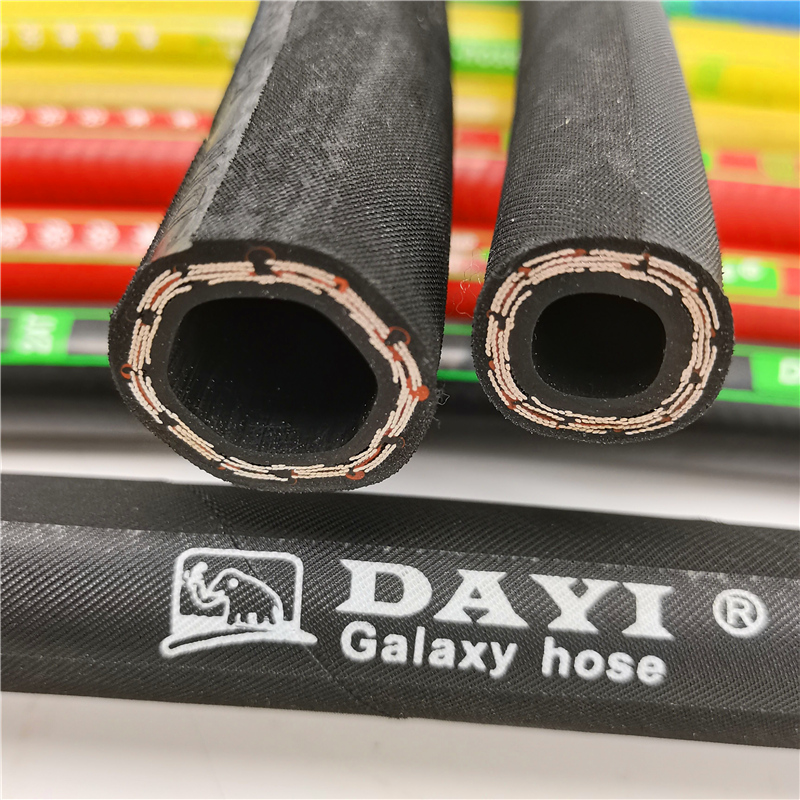
The core construction of a high-pressure hydraulic hose involves multiple layers, each contributing to its overall performance. The inner tube is typically composed of synthetic rubber compounds like nitrile (NBR), ethylene propylene diene monomer (EPDM), or fluorocarbon (FKM), selected for their compatibility with specific hydraulic fluids. NBR offers excellent resistance to petroleum-based fluids, EPDM excels in phosphate ester fluids, and FKM provides superior resistance to high temperatures and aggressive chemicals. The reinforcement layer is critical for pressure containment, typically constructed from multiple braids of high-tensile steel wire. The number and angle of these braids dictate the hose's working and burst pressures. Other reinforcement materials, such as spiral-wound steel wire or aramid fiber, are used for specific applications requiring high flexibility or reduced weight. The outer cover is typically a synthetic rubber compound like chloroprene (CR) or polyurethane (PU), providing abrasion, ozone, and UV resistance.
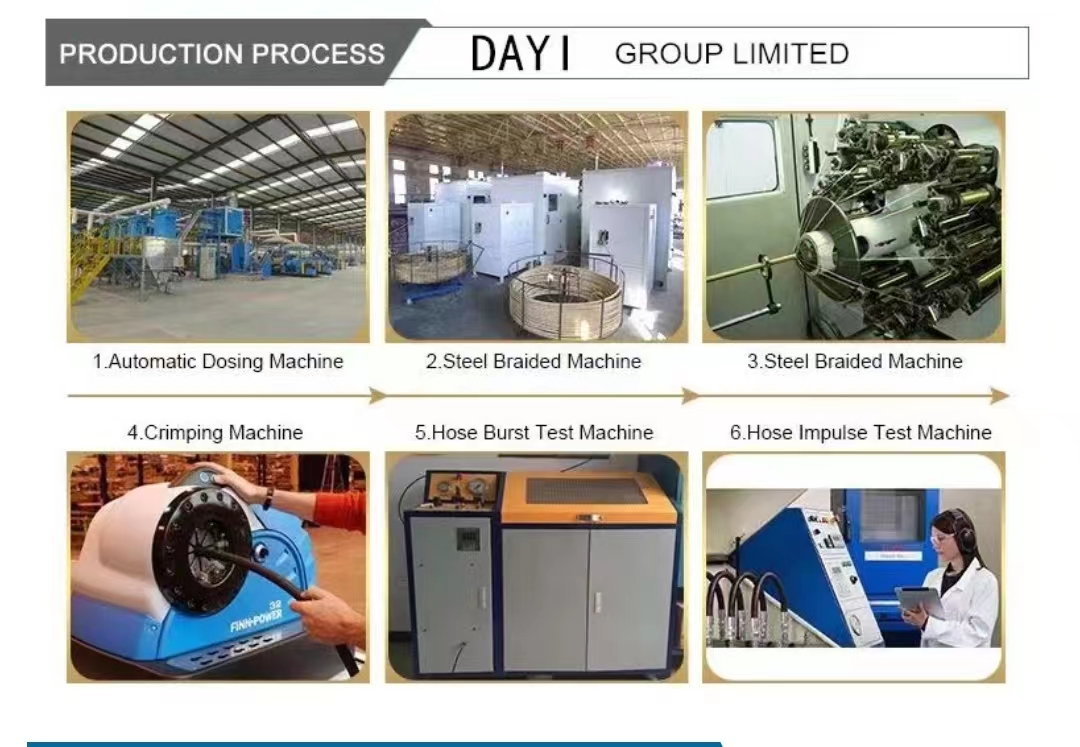
Manufacturing processes begin with inner tube extrusion, carefully controlling compound formulation and die temperature to ensure consistent wall thickness and surface finish. The reinforcement layers are then applied through braiding or spiral winding machines, demanding precise tension control to maintain structural integrity. After reinforcement, the outer cover is extruded, followed by vulcanization – a heating process that crosslinks the rubber compounds, enhancing their mechanical properties. Critical parameters during vulcanization include temperature, pressure, and cure time. Post-vulcanization, hoses undergo rigorous testing, including pressure testing to verify burst strength, impulse testing to assess fatigue resistance, and dimensional checks to ensure compliance with specifications. Quality control throughout the process is paramount, as defects at any stage can compromise hose performance and safety. Furthermore, the use of specialized skiving machines ensures proper fitting compatibility.
Performance & Engineering
The performance of a high-pressure hydraulic hose is dictated by several key engineering factors. Burst pressure, expressed in PSI or MPa, represents the maximum pressure the hose can withstand before catastrophic failure. Working pressure is a fraction of the burst pressure, typically determined by a safety factor (e.g., 4:1). Impulse pressure, measured in cycles to failure, assesses the hose’s ability to withstand repeated pressure surges. Tensile strength indicates the hose’s resistance to stretching and tearing, crucial for applications involving bending or movement. Flexibility, measured by bend radius, determines the hose’s ability to route around obstacles without kinking. Environmental resistance encompasses factors like temperature range, ozone exposure, and UV degradation. Fluid compatibility is critical; incompatible fluids can cause swelling, softening, or cracking of the inner tube.
Force analysis involves calculating the hoop stress within the hose wall under pressure, using the thin-walled cylinder formula (σ = Pr/t, where σ is hoop stress, P is pressure, r is inner radius, and t is wall thickness). Finite Element Analysis (FEA) is frequently employed to model complex stress distributions and predict hose behavior under various loading conditions. Compliance requirements stem from industry standards like SAE J517, ISO 6899, and DIN EN 853, which specify performance criteria, testing procedures, and labeling requirements. Proper fitting selection is crucial. Fittings must be rated for the hose’s working pressure and compatible with the fluid being conveyed. Improper fitting installation can lead to leakage or premature failure. Consideration of hose twist is also vital, as twisting reduces burst strength.
Technical Specifications
| Parameter | Unit | Specification Range (Typical) | Testing Standard |
|---|---|---|---|
| Working Pressure | PSI | 1000 - 6000 | SAE J517 |
| Burst Pressure | PSI | 4000 - 24000 | SAE J517 |
| Temperature Range | °F | -40 to +212 | SAE J517 |
| Inner Tube Material | - | NBR, EPDM, FKM | ASTM D2000 |
| Reinforcement Type | - | 2-wire braid, 4-wire braid, spiral | ISO 6899 |
| Outer Cover Material | - | CR, PU | ASTM D2000 |
Failure Mode & Maintenance
High-pressure hydraulic hoses are susceptible to various failure modes. Fatigue cracking, initiated by repeated flexing and pressure cycling, often occurs in the reinforcement layers. Delamination, the separation of layers, can result from poor bonding during manufacturing or exposure to incompatible fluids. Abrasion, caused by external contact, degrades the outer cover, exposing the reinforcement layers to corrosion. Oxidation, particularly at high temperatures, causes rubber compounds to harden and crack. Kinking restricts fluid flow and creates localized stress concentrations, leading to failure. Pinholes, small punctures in the inner tube, cause leakage. Improper installation, such as over-tightening fittings or exceeding the minimum bend radius, significantly accelerates failure.
Preventive maintenance is crucial for extending hose life and preventing catastrophic failures. Regular visual inspections should be conducted to identify signs of abrasion, cracking, or leakage. Hoses should be replaced if any damage is observed. Fluid analysis can detect contamination or fluid degradation that could compromise hose compatibility. Proper hose routing and support are essential to prevent kinking and abrasion. Fittings should be inspected for corrosion or damage and replaced as needed. Regular pressure testing can verify hose integrity. When storing hoses, they should be kept in a cool, dry place away from direct sunlight and ozone sources. Furthermore, implementing a hose management program, including documentation of hose specifications, installation dates, and maintenance history, can improve overall reliability and safety.
Industry FAQ
Q: What is the significance of the safety factor when specifying a hydraulic hose?
A: The safety factor is a crucial design parameter, typically 4:1 for hydraulic hoses, meaning the burst pressure is four times the working pressure. This margin provides a buffer against pressure surges, dynamic loads, and material degradation, minimizing the risk of catastrophic failure. A lower safety factor compromises reliability, while a significantly higher factor may result in an unnecessarily expensive and bulky hose.
Q: How does fluid compatibility impact hose selection?
A: Fluid compatibility is paramount. Incompatible fluids can cause the inner tube to swell, soften, or crack, leading to leakage and failure. For example, using a nitrile hose with phosphate ester fluids will result in rapid degradation. Careful consideration of the fluid type, concentration, and temperature is essential when selecting the inner tube material.
Q: What are the common causes of hose kinking and how can it be prevented?
A: Kinking occurs when the hose is bent beyond its minimum bend radius, restricting fluid flow and creating stress concentrations. Common causes include improper hose routing, inadequate support, and excessive hose length. Prevention involves ensuring sufficient clearance for bending, using hose supports to maintain proper alignment, and selecting hoses with a smaller bend radius for tight spaces.
Q: What is the role of the outer cover in hydraulic hose performance?
A: The outer cover provides critical protection against abrasion, ozone, UV radiation, and other environmental factors. It also contributes to the hose's overall flexibility and resistance to mechanical damage. The selection of the cover material depends on the application environment and potential exposure to chemicals or extreme temperatures.
Q: How often should hydraulic hoses be replaced as part of a preventative maintenance program?
A: Replacement frequency depends on the application severity, operating conditions, and hose material. A general guideline is to replace hoses every 3-5 years, or more frequently in harsh environments. Regular visual inspections, pressure testing, and fluid analysis can help determine the appropriate replacement schedule.
Conclusion
High-pressure hydraulic hoses are essential components demanding careful material selection, meticulous manufacturing processes, and diligent maintenance. Understanding the interplay between material properties, engineering principles, and industry standards is crucial for ensuring reliable and safe operation. The longevity and performance of these hoses are significantly affected by factors such as fluid compatibility, environmental conditions, and proper installation practices.
Future developments will likely focus on advanced materials, such as thermoplastic hoses offering improved flexibility and reduced weight, and smart hoses incorporating sensors for real-time pressure and temperature monitoring. Implementing robust hose management programs, coupled with ongoing training for maintenance personnel, will remain essential for minimizing downtime and maximizing the lifespan of these critical components. Prioritizing quality and adhering to established standards are paramount for maintaining system integrity and safety.