
Apr . 01, 2024 17:55 Back to list
High Pressure Hose Suppliers Performance Analysis

Introduction
High-pressure hoses are critical components in a wide range of industrial applications, including hydraulic systems, oil and gas transfer, automotive manufacturing, and construction equipment. These hoses are engineered to safely convey fluids – hydraulic oil, water, chemicals, gases – at significantly elevated pressures, demanding rigorous material selection, precise manufacturing processes, and adherence to stringent safety standards. The core function of a high-pressure hose is to reliably transmit force or fluid under pressure, and failure can result in substantial downtime, safety hazards, and costly repairs. Suppliers in this sector must demonstrate expertise in polymer chemistry, reinforcement technologies, and quality control to meet the increasingly complex demands of modern industry. The selection of appropriate hose materials and construction is paramount, considering fluid compatibility, operating temperature, pressure requirements, and exposure to environmental factors. This guide provides an in-depth technical analysis of high-pressure hoses, covering material science, manufacturing techniques, performance characteristics, potential failure modes, and relevant industry standards.
Material Science & Manufacturing
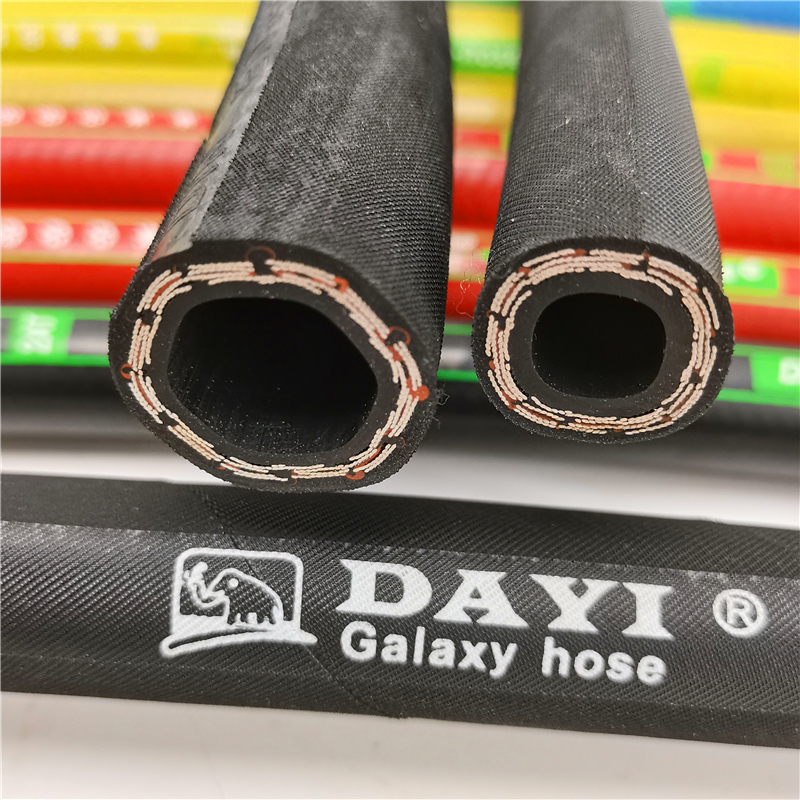
High-pressure hose construction typically involves several key layers, each contributing to the overall performance and safety of the hose. The innermost layer, the tube, is in direct contact with the conveyed fluid and is typically composed of materials exhibiting excellent chemical resistance and impermeability. Common tube materials include nitrile rubber (NBR) for oil-based fluids, polytetrafluoroethylene (PTFE) for aggressive chemicals, and polyethylene (PE) for water and air applications. The selection depends heavily on the fluid's chemical composition, temperature, and pressure. Surrounding the tube are multiple layers of reinforcement, providing the strength necessary to withstand high pressures. These layers often consist of high-tensile steel wire (single or multiple braids), synthetic fiber (aramid, polyester, nylon), or a combination of both. Steel wire reinforcement offers superior strength and durability but can be heavier and less flexible. Synthetic fibers provide good flexibility and corrosion resistance at a lower weight. The outermost layer, the cover, provides protection against abrasion, weathering, and ozone degradation. Common cover materials include chloroprene rubber (CR), nitrile rubber (NBR), and polyurethane (PU). Manufacturing processes vary depending on the hose type and materials. Braided hoses are manufactured by helically winding steel wire or synthetic fibers around a mandrel, followed by vulcanization. Spiral hoses utilize a continuous winding of high-tensile wire in a spiral pattern, offering exceptionally high pressure capabilities. Extrusion is used for both the inner tube and outer cover layers. Precise control of vulcanization temperature, pressure, and time is critical to ensure proper cross-linking of the rubber compounds, achieving optimal mechanical properties and chemical resistance. Furthermore, quality control measures, including dimensional checks, pressure testing, and material analysis, are essential throughout the manufacturing process.
Performance & Engineering
The performance of a high-pressure hose is dictated by its ability to withstand internal pressure, external damage, and environmental exposure. Burst pressure, working pressure, and safety factor are critical parameters. Burst pressure represents the pressure at which the hose fails catastrophically, while working pressure is the maximum pressure for continuous operation. A safety factor, typically 4:1 or higher, is applied to the burst pressure to determine the working pressure, providing a margin of safety. Finite element analysis (FEA) is commonly used to model stress distribution within the hose under various loading conditions, optimizing reinforcement layer design and material selection. Hose flexibility is another important consideration, particularly in applications involving tight bends or dynamic movement. Excessive bending can induce fatigue cracking and reduce the hose's lifespan. The hose's resistance to kinking, twisting, and abrasion must also be evaluated. Environmental factors, such as temperature extremes, UV radiation, and chemical exposure, can significantly degrade hose performance. High temperatures can cause rubber compounds to soften and lose strength, while UV radiation can lead to cracking and embrittlement. Chemical exposure can cause swelling, degradation, and loss of flexibility. Compliance with industry standards, such as SAE J517 and EN 853, is essential to ensure that hoses meet minimum performance requirements and safety standards. Furthermore, the hose must be compatible with the conveyed fluid, preventing degradation or contamination. Considerations for fluid velocity and its effect on erosion also influence hose design and material selection.
Technical Specifications
| Parameter | Unit | SAE J517 - R1AT | SAE J517 - R2AT |
|---|---|---|---|
| Working Pressure | MPa | 20.7 | 27.6 |
| Burst Pressure | MPa | 82.7 | 110.3 |
| Temperature Range | °C | -40 to +100 | -40 to +121 |
| Reinforcement | - | Single Steel Wire Braid | Double Steel Wire Braid |
| Tube Material | - | NBR (Nitrile Rubber) | NBR (Nitrile Rubber) |
| Cover Material | - | CR (Chloroprene Rubber) | CR (Chloroprene Rubber) |
Failure Mode & Maintenance
High-pressure hoses are susceptible to several failure modes, including burst, leakage, kinking, and degradation. Burst failure is often caused by exceeding the working pressure, fatigue cracking due to repeated pressure cycling, or damage to the reinforcement layers. Leakage can occur at fittings due to improper installation, corrosion, or degradation of the hose material. Kinking restricts fluid flow and can induce stress concentrations, leading to premature failure. Degradation of the rubber compounds can result from exposure to high temperatures, UV radiation, ozone, or incompatible fluids. Fatigue cracking is a particularly common failure mode in applications involving dynamic bending or vibration. Regular inspection is crucial for identifying potential problems before they lead to catastrophic failure. Inspections should include visual checks for cracks, abrasion, swelling, or discoloration. Pressure testing can be used to verify the hose's integrity. Proper maintenance practices include avoiding excessive bending, protecting the hose from abrasion and chemical exposure, and ensuring that fittings are securely tightened. When replacing a hose, it is essential to use a compatible replacement with the same or higher pressure rating and temperature range. Furthermore, proper handling and storage are essential to prevent damage. Hoses should be stored in a cool, dry place, away from direct sunlight and ozone sources. Avoid bending the hose sharply during storage. Failure analysis, involving microscopic examination of the fractured surface, can help identify the root cause of failure and prevent recurrence.
Industry FAQ
Q: What is the impact of fluid velocity on high-pressure hose lifespan?
A: Increased fluid velocity can accelerate erosion of the inner tube, particularly with abrasive fluids or fluids containing particulate matter. This erosion gradually weakens the tube wall, increasing the risk of leakage or burst failure. Proper hose selection, considering fluid velocity and abrasion resistance, is crucial. Additionally, using filters to remove particulate matter can significantly extend hose life.
Q: How does temperature affect the performance of a hydraulic hose?
A: Elevated temperatures can reduce the strength and elasticity of rubber compounds, decreasing the hose’s ability to withstand pressure. Conversely, extremely low temperatures can cause the hose to become brittle and more susceptible to cracking. Selecting hoses specifically designed for the expected temperature range is critical. Thermal expansion and contraction should also be considered in system design to avoid stress on hose connections.
Q: What are the key differences between single and double wire braid reinforcement?
A: Single wire braid reinforcement provides adequate strength for moderate pressure applications, offering good flexibility. Double wire braid reinforcement significantly increases pressure capacity and burst strength, but typically reduces flexibility. The choice depends on the specific pressure and bending requirements of the application.
Q: How important is proper fitting selection and installation?
A: Proper fitting selection and installation are paramount. Incorrectly sized or damaged fittings are a major cause of hose failure. Fittings must be compatible with the hose material and pressure rating. Tightening torque must be within the manufacturer’s specifications to ensure a secure seal without damaging the hose or fitting. Incorrect installation can introduce stress concentrations and lead to premature failure.
Q: What are the common causes of hose kinking and how can it be prevented?
A: Kinking occurs when the hose is bent beyond its minimum bend radius, restricting fluid flow and stressing the reinforcement layers. Prevention involves selecting hoses with appropriate flexibility, ensuring adequate clearance for hose routing, and using bend supports to maintain the hose's shape. Avoid sharp bends and twisting the hose during installation or operation.
Conclusion
High-pressure hoses are sophisticated engineered components demanding careful consideration of material science, manufacturing processes, and operating conditions. Selecting the correct hose for a specific application necessitates a thorough understanding of fluid compatibility, pressure requirements, temperature ranges, and potential environmental factors. Regular inspection and adherence to proper maintenance practices are essential for maximizing hose lifespan and ensuring safe operation.
Looking ahead, advancements in materials science, such as the development of new thermoplastic polymers and composite reinforcement materials, promise to deliver hoses with improved performance characteristics, including higher pressure ratings, enhanced chemical resistance, and reduced weight. Continued refinement of manufacturing techniques and quality control procedures will further enhance the reliability and durability of these critical components.