
Apr . 01, 2024 17:55 Back to list
high pressure hose supplier Performance Analysis
Introduction
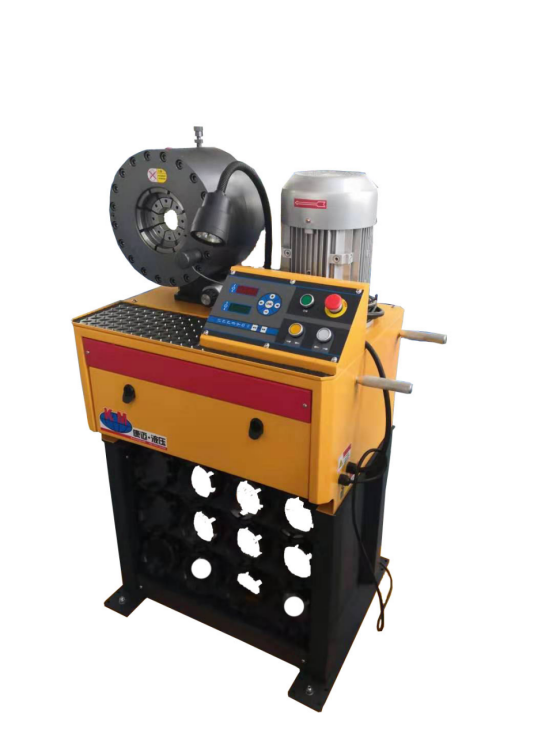
High-pressure hoses are critical components in a multitude of industrial applications, serving as fluid transfer conduits in environments demanding both safety and reliability. This guide provides a comprehensive technical overview of high-pressure hoses, encompassing material science, manufacturing processes, performance characteristics, potential failure modes, and relevant industry standards. These hoses are distinct from standard hoses due to their reinforced construction, enabling them to withstand significantly higher pressures and temperatures. Within the industrial supply chain, high-pressure hose suppliers act as vital intermediaries, providing customized solutions tailored to the specific needs of sectors such as oil and gas, construction, agriculture, and automotive. A core industry pain point lies in ensuring consistent hose performance and longevity, particularly given the harsh operating conditions they often encounter. Selection criteria are complex, revolving around fluid compatibility, pressure ratings, temperature ranges, and physical durability.
Material Science & Manufacturing
The core material for most high-pressure hoses is synthetic rubber, primarily nitrile (NBR), ethylene propylene diene monomer (EPDM), or polytetrafluoroethylene (PTFE). NBR offers excellent resistance to petroleum-based fluids, while EPDM excels in heat and ozone resistance. PTFE provides superior chemical inertness. The choice depends heavily on the conveyed medium. Reinforcement is crucial. Commonly used materials include high-tensile steel wire (single or multiple spiral layers), textile braids (typically polyester or aramid fibers), or a combination of both. Steel wire provides the highest pressure capacity, while textile braids offer flexibility and resistance to kinking. Manufacturing typically involves several stages. First, the inner tube is extruded. This extrusion process requires precise temperature and pressure control to ensure consistent wall thickness and material homogeneity. Subsequently, the reinforcement layers are applied. For steel wire reinforcement, this involves spiraling the wire around a mandrel. For textile braids, the fabric is woven directly onto the inner tube. Finally, the outer cover is extruded, providing abrasion and weather resistance. Vulcanization, a chemical process involving heating the rubber compound with sulfur, is essential for cross-linking the polymer chains, imparting strength, elasticity, and resistance to degradation. Critical parameters include cure time, temperature, and sulfur concentration. Improper vulcanization leads to reduced performance and premature failure.
Performance & Engineering
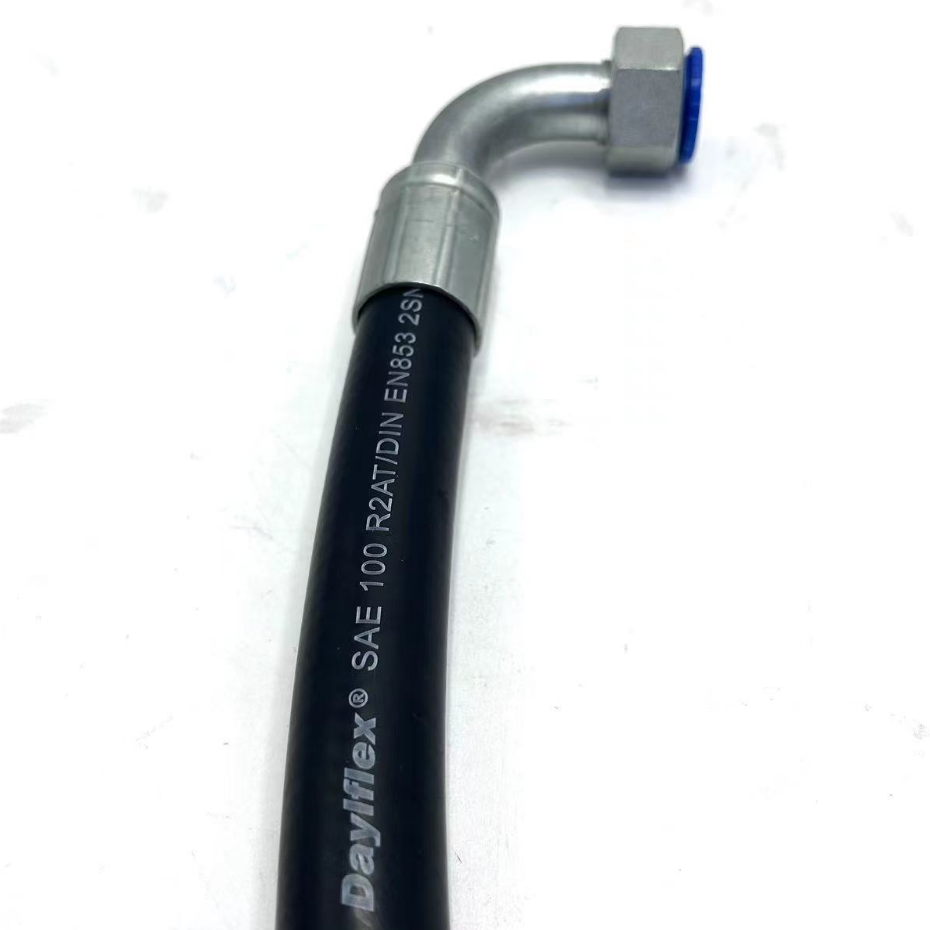
The performance of a high-pressure hose is dictated by its ability to withstand internal pressure, external forces, and environmental factors without failure. Burst pressure, working pressure, and safety factor are key engineering considerations. Burst pressure represents the pressure at which the hose ruptures, while working pressure is the maximum pressure for continuous operation. A safety factor (typically 4:1) is applied to the burst pressure to determine the working pressure. Force analysis involves evaluating hoop stress (stress in the circumferential direction of the hose wall) and longitudinal stress (stress along the hose length). These stresses are influenced by internal pressure and reinforcement configuration. Environmental resistance is crucial. Exposure to UV radiation, ozone, extreme temperatures, and corrosive chemicals can degrade the hose material. For hydraulic applications, fluid compatibility is paramount to prevent swelling, cracking, or leaching of hose components. Compliance requirements, dictated by standards like SAE J517 and EN 857, specify performance criteria and testing procedures. Functional implementation involves considerations such as bend radius (the minimum radius to which the hose can be bent without kinking) and end fitting compatibility. Incorrect end fitting installation can compromise the hose’s integrity.
Technical Specifications
| Parameter | NBR Hose (Typical) | EPDM Hose (Typical) | PTFE Hose (Typical) | Steel Wire Braided |
|---|---|---|---|---|
| Maximum Working Pressure (PSI) | 6000 | 4000 | 5000 | Up to 10,000+ |
| Temperature Range (°F) | -40 to 212 | -58 to 275 | -400 to 500 | -40 to 212 |
| Fluid Compatibility | Oil, Fuel, Water | Water, Steam, Antifreeze | Most Chemicals | General Purpose |
| Reinforcement Type | Synthetic Fiber Braid | Synthetic Fiber Braid | Stainless Steel Braid | Single/Double Steel Wire Helix |
| Outer Cover Material | Synthetic Rubber | Synthetic Rubber | PTFE | Synthetic Rubber |
| Bend Radius (inches) | 6 | 8 | 10 | 8 |
Failure Mode & Maintenance
High-pressure hoses are susceptible to various failure modes. Fatigue cracking, induced by repeated flexing and pressure cycling, is a common cause of failure, particularly in hoses used in dynamic applications. Delamination, the separation of reinforcement layers from the inner tube, can occur due to improper bonding or exposure to corrosive fluids. Degradation of the rubber material, caused by UV radiation, ozone, and extreme temperatures, reduces the hose’s elasticity and strength. Oxidation, particularly in hoses exposed to high temperatures and oxygen, leads to hardening and cracking. Abrasion, caused by contact with abrasive surfaces, damages the outer cover, exposing the reinforcement layers. End fitting failure, often due to corrosion or improper crimping, can result in leaks or catastrophic hose rupture. Preventative maintenance is crucial. Regular visual inspections should be conducted to identify signs of damage, such as cracks, bulges, and abrasions. Hoses should be replaced if any defects are detected. Proper storage conditions, away from direct sunlight and extreme temperatures, can extend hose life. End fittings should be inspected for corrosion and properly torqued during installation. Periodic pressure testing can verify hose integrity.
Industry FAQ
Q: What is the impact of exceeding the maximum working pressure on hose lifespan?
A: Exceeding the maximum working pressure significantly reduces hose lifespan. Repeated exposure to pressures above the rated limit causes accelerated fatigue and can lead to immediate catastrophic failure. Even short-term overpressure events induce stress on the reinforcement layers, initiating micro-cracks that propagate over time.
Q: How does fluid temperature affect the performance of a high-pressure hose?
A: Fluid temperature directly impacts the hose’s material properties. Higher temperatures can soften the rubber compound, reducing its strength and elasticity. Extremely low temperatures can cause the hose to become brittle and susceptible to cracking. Specific temperature ratings must be adhered to based on the hose material and fluid being conveyed.
Q: What are the key considerations when selecting a hose for corrosive fluids?
A: For corrosive fluids, the inner tube material must be chemically compatible with the fluid to prevent degradation and swelling. PTFE hoses are often preferred for highly corrosive applications due to their exceptional chemical inertness. The reinforcement material must also be resistant to corrosion. Careful consideration of the fluid’s pH and chemical composition is crucial.
Q: What is the difference between single and double wire braid reinforcement and when should each be used?
A: Single wire braid reinforcement provides moderate pressure capacity and flexibility. Double wire braid significantly increases pressure capacity and burst strength but reduces flexibility. Double braid is recommended for applications requiring higher pressures and where flexibility is less critical. The choice depends on the specific application requirements.
Q: How important is proper end fitting installation and what are the potential consequences of incorrect installation?
A: Proper end fitting installation is paramount for hose integrity. Incorrect crimping, over-tightening, or the use of incompatible fittings can create stress concentrations, leading to leaks or catastrophic hose rupture. Fittings must be properly sized and crimped according to the manufacturer’s specifications.
Conclusion
High-pressure hose technology is a complex field demanding a thorough understanding of material science, engineering principles, and industry standards. The selection and implementation of these critical components require careful consideration of operating conditions, fluid compatibility, and safety factors. A proactive approach to maintenance and inspection is essential to ensure long-term reliability and prevent costly failures.
As industrial applications become increasingly demanding, advancements in hose materials and manufacturing techniques will continue to drive improvements in performance and durability. Future developments will likely focus on lightweight materials, enhanced corrosion resistance, and smart hose technologies that incorporate sensors for real-time monitoring of pressure, temperature, and structural integrity.