
Apr . 01, 2024 17:55 Back to list
High Pressure Hose Manufacturer Performance Analysis

Introduction
High-pressure hose, a critical component in fluid power systems, serves as a flexible conduit for the transmission of hydraulic fluid, gases, and other media under substantial pressure. Positioned within the industrial chain as a crucial element connecting power sources to actuators, its performance directly impacts system efficiency, reliability, and safety. These hoses are utilized extensively across diverse sectors, including construction, agriculture, oil & gas, automotive, and manufacturing. Core performance characteristics are defined by burst pressure, working pressure, temperature range, fluid compatibility, and resistance to abrasion and kinking. The industry currently faces demands for lighter weight, increased flexibility, and enhanced chemical resistance to accommodate evolving application requirements and increasingly harsh operating environments. Selection criteria are complex, demanding a thorough understanding of application-specific parameters and relevant industry standards. The increasing use of synthetic fluids also presents material compatibility challenges.
Material Science & Manufacturing
The core materials in high-pressure hose construction are typically synthetic rubbers, thermoplastic polymers, and reinforcing layers. Commonly used rubber compounds include nitrile (NBR), ethylene propylene diene monomer (EPDM), and chloroprene (CR), each offering specific resistance profiles to oils, fuels, and environmental factors. Thermoplastic polymers, such as polyamide (Nylon), polyethylene (PE), and polyurethane (PU), provide dimensional stability and resistance to permeation. Reinforcement layers traditionally consist of multiple braids of high-tensile steel wire, but advancements include aramid fiber (Kevlar) and spiral-wound steel wire for enhanced strength-to-weight ratios.
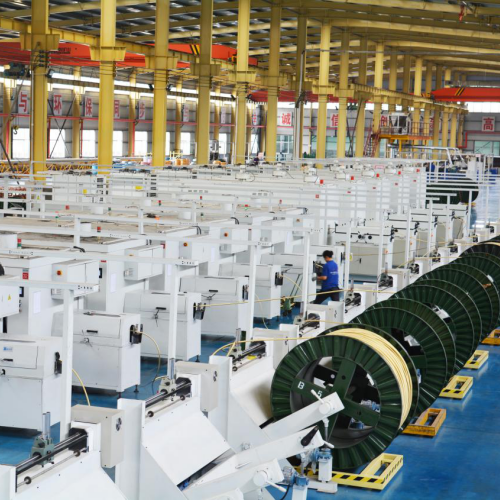
Manufacturing processes vary depending on hose type and intended application. For rubber hoses, the process commonly involves inner tube extrusion, reinforcement braiding or winding, and outer cover extrusion, followed by vulcanization (curing) to impart elasticity and strength. Precise control of temperature, pressure, and cure time during vulcanization is paramount, directly impacting the hose’s mechanical properties and long-term durability. Thermoplastic hoses are often produced via co-extrusion, layering different polymer compositions to achieve desired barrier properties and mechanical performance. Quality control at each stage, including raw material inspection, dimensional checks, and pressure testing, is essential. Proper adhesion between layers is critical, often enhanced by adhesion promoters. The geometry of the reinforcement braid or spiral significantly impacts the hose's flexibility and resistance to bending. Modern manufacturing includes automated braiding technology and advanced extrusion techniques to ensure consistent product quality.
Performance & Engineering
High-pressure hose performance is governed by fundamental principles of stress analysis and material behavior. Burst pressure, the maximum pressure the hose can withstand before failure, is a critical design parameter, determined by the reinforcement layer's tensile strength and the tube's wall thickness. Working pressure is typically a fraction (safety factor) of the burst pressure, dictated by application requirements and industry standards. Hose flexibility is a key consideration, influencing ease of installation and resistance to kinking. This is primarily determined by the reinforcement construction and the polymer material’s properties. Environmental resistance encompasses factors such as temperature extremes, UV exposure, ozone degradation, and chemical compatibility. The selection of appropriate rubber or thermoplastic compounds is vital to ensure long-term performance in harsh environments.
Engineering considerations include the hose’s susceptibility to fatigue failure under cyclic pressure loading. Finite element analysis (FEA) is often employed to model stress distributions and predict hose life. Proper end fitting selection and installation are crucial to prevent failure at the hose-fitting interface. Fittings must be compatible with the hose material and capable of withstanding the applied pressure and temperature. Compliance with industry standards, such as SAE J517 and EN 856, is essential to ensure product safety and reliability. In applications involving hydraulic fluids, fluid compatibility must be meticulously assessed to prevent swelling, softening, or degradation of the hose material. Consideration must also be given to electrostatic discharge (ESD) if conveying flammable fluids.
Technical Specifications
| Parameter | SAE J517 - R1AT | EN 856 - 4SH | Typical Value (Example) |
|---|---|---|---|
| Working Pressure (PSI) | 1000 | 100 bar (1450 PSI) | 1200 PSI |
| Burst Pressure (PSI) | 3000 | 300 bar (4350 PSI) | 3600 PSI |
| Temperature Range (°F) | -40 to +212 | -40 to +100 | -40 to +200 |
| Reinforcement | Single Wire Braid | Spiral Wire Reinforcement | Two Steel Wire Braids |
| Tube Material | NBR (Nitrile Rubber) | NBR (Nitrile Rubber) | EPDM (Ethylene Propylene Diene Monomer) |
| Cover Material | CRM (Chloroprene Rubber) | CRM (Chloroprene Rubber) | Polyurethane |
Failure Mode & Maintenance
High-pressure hose failure can manifest in several modes, including burst, leakage, kinking, and degradation. Burst failure is typically caused by exceeding the hose’s working pressure or damage to the reinforcement layer. Leakage can occur due to pinholes in the tube, cracks in the cover, or improper fitting connections. Kinking restricts flow and can lead to localized stress concentrations, eventually causing failure. Degradation arises from prolonged exposure to heat, UV radiation, chemicals, or ozone, leading to loss of material properties. Fatigue cracking is common in applications involving cyclical pressure loading. Delamination between layers can occur due to poor adhesion or chemical attack. Oxidation of the rubber compound can cause hardening and cracking.
Preventative maintenance is critical for extending hose life and ensuring safe operation. Regular visual inspections should be conducted to identify signs of wear, damage, or degradation. Hoses should be replaced if they exhibit cracks, bulges, abrasions, or leaks. Proper storage conditions, away from direct sunlight and extreme temperatures, are essential. Avoid sharp bends and kinking during installation and operation. Use only compatible fittings and ensure they are properly tightened. Implement a scheduled replacement program based on application severity and operating conditions. Regular pressure testing can help identify potential weaknesses before catastrophic failure occurs. Proper handling during installation and operation, avoiding twisting and crushing, will extend service life. Maintaining detailed records of hose usage and maintenance history aids in predictive failure analysis.
Industry FAQ
Q: What is the significance of the safety factor in high-pressure hose selection?
A: The safety factor is a critical design parameter that accounts for uncertainties in operating conditions, manufacturing tolerances, and material properties. It represents the ratio of burst pressure to working pressure, typically ranging from 4:1 to 7:1. A higher safety factor provides a greater margin of protection against failure, but can also lead to a larger, heavier, and more expensive hose.
Q: How does temperature affect the performance of high-pressure hose?
A: Temperature significantly impacts hose performance. Elevated temperatures can reduce the hose’s tensile strength and flexibility, increasing its susceptibility to failure. Conversely, low temperatures can make the hose brittle and prone to cracking. The specified temperature range for a hose must be carefully considered to ensure compatibility with the application’s operating conditions.
Q: What are the key differences between braided and spiral-wound reinforcement?
A: Braided reinforcement provides uniform strength and flexibility in all directions, making it suitable for applications requiring frequent bending. Spiral-wound reinforcement offers higher strength-to-weight ratio and superior resistance to axial stretching, making it ideal for high-pressure, high-temperature applications.
Q: How do I select the correct hose material for a specific fluid?
A: Fluid compatibility is paramount. Refer to chemical resistance charts provided by hose manufacturers to ensure the hose material is compatible with the fluid being conveyed. Incompatibility can lead to swelling, softening, or degradation of the hose, resulting in leakage or failure. Consider fluid temperature and pressure when making your selection.
Q: What are the common causes of hose leakage at the fitting connection?
A: Common causes include improper fitting installation, damaged fittings, incompatible fittings, over-tightening or under-tightening of the fitting, and degradation of the hose end. Ensure the fitting is correctly sized and crimped to the hose, using approved tooling and procedures. Regularly inspect fittings for signs of corrosion or damage.
Conclusion
High-pressure hose technology represents a complex interplay of material science, manufacturing precision, and engineering principles. The optimal hose selection requires a thorough understanding of application requirements, including pressure, temperature, fluid compatibility, and environmental conditions. Addressing the industry’s core pain points – durability, reliability, and chemical resistance – necessitates continuous innovation in materials and manufacturing processes.
Looking ahead, advancements in polymer technology, reinforcement materials, and predictive maintenance techniques will drive further improvements in hose performance and longevity. The integration of sensor technologies for real-time pressure and temperature monitoring will enable proactive maintenance and minimize the risk of catastrophic failure. Adherence to international standards and rigorous quality control procedures remain critical for ensuring product safety and reliability in this demanding field.