
Apr . 01, 2024 17:55 Back to list
high pressure car washer hose Performance Analysis
Introduction
High pressure car washer hoses are critical components in automotive cleaning systems, facilitating the delivery of pressurized water for effective dirt and grime removal. These hoses are specialized conduits engineered to withstand substantial internal pressures, often exceeding 3000 PSI (pounds per square inch), and varying temperatures. Their technical position within the industry chain lies between the high-pressure pump and the spray nozzle, directly impacting the efficacy and safety of the washing process. Core performance characteristics include burst pressure, working pressure, kink resistance, abrasion resistance, and chemical compatibility with detergents and cleaning agents. A failure in a high-pressure hose can result in property damage, personal injury, and operational downtime, making robust design and material selection paramount. This guide provides a comprehensive technical overview of these hoses, detailing their material science, manufacturing processes, performance parameters, failure modes, and relevant industry standards.
Material Science & Manufacturing
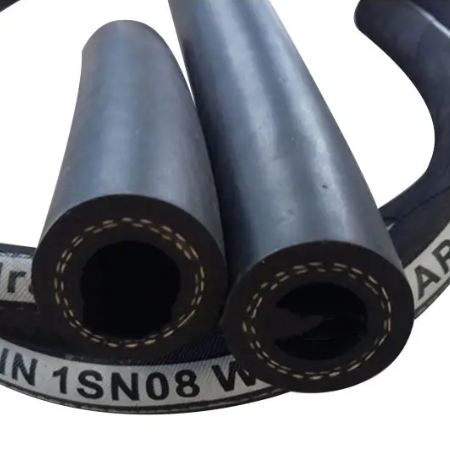
The primary material for high-pressure car washer hoses is typically a synthetic rubber compound, most commonly a blend of thermoplastic polyurethane (TPU) or high-tensile strength polyester reinforced with multiple layers of high-strength textile braiding. TPU offers superior abrasion resistance, flexibility at low temperatures, and resistance to oils and fuels. Polyester reinforcement provides the necessary tensile strength to withstand high internal pressures. The layering process is critical. An inner tube provides a smooth bore for optimal flow and chemical resistance. Multiple layers of high-tensile strength braiding (typically polyester or aramid fibers) are then applied to provide structural integrity. An outer cover, often composed of a weather-resistant TPU or PVC compound, protects the inner layers from abrasion, UV degradation, and environmental factors.
Manufacturing involves several key stages. First, the inner tube is extruded through a die, establishing the hose’s inner diameter and wall thickness. This extrusion process requires precise temperature control to ensure uniform material distribution and prevent defects. Second, the reinforcement braiding is applied using specialized braiding machines. The tension and angle of the braiding are carefully controlled, as these parameters directly impact the hose’s burst pressure and flexibility. Third, the outer cover is extruded over the braided layer. Finally, the hose undergoes a curing process, typically involving heat and pressure, to vulcanize the rubber compound and ensure optimal bonding between layers. Quality control checks at each stage – including dimensional verification, pressure testing, and visual inspection for defects – are essential to ensure product reliability. Parameter control during extrusion (temperature, screw speed, die pressure) and braiding (tension, fiber angle, braiding speed) is paramount.
Performance & Engineering
The performance of a high-pressure car washer hose is dictated by several engineering principles. Force analysis involves assessing the hoop stress within the hose wall under internal pressure. Hoop stress, calculated using the thin-walled pressure vessel formula (σ = PD/2t, where P is pressure, D is diameter, and t is wall thickness), determines the hose’s ability to resist bursting. The reinforcement layers contribute significantly to reducing hoop stress. Kink resistance is achieved through optimized hose construction and materials selection; a tighter braid angle and more flexible outer cover can improve kink recovery.
Environmental resistance is crucial. UV exposure can degrade the outer cover, leading to cracking and embrittlement. Therefore, UV stabilizers are added to the rubber compound. Temperature extremes also pose challenges; low temperatures can reduce flexibility, while high temperatures can accelerate degradation. Chemical compatibility with detergents, solvents, and cleaning agents is also essential. Exposure to incompatible chemicals can cause swelling, softening, or cracking of the hose material. Compliance requirements, depending on the target market, may include adherence to safety standards such as those established by the Society of Automotive Engineers (SAE) and relevant local regulations. Functional implementation requires careful consideration of hose length, diameter, and fitting compatibility to ensure optimal water flow and pressure delivery.
Technical Specifications
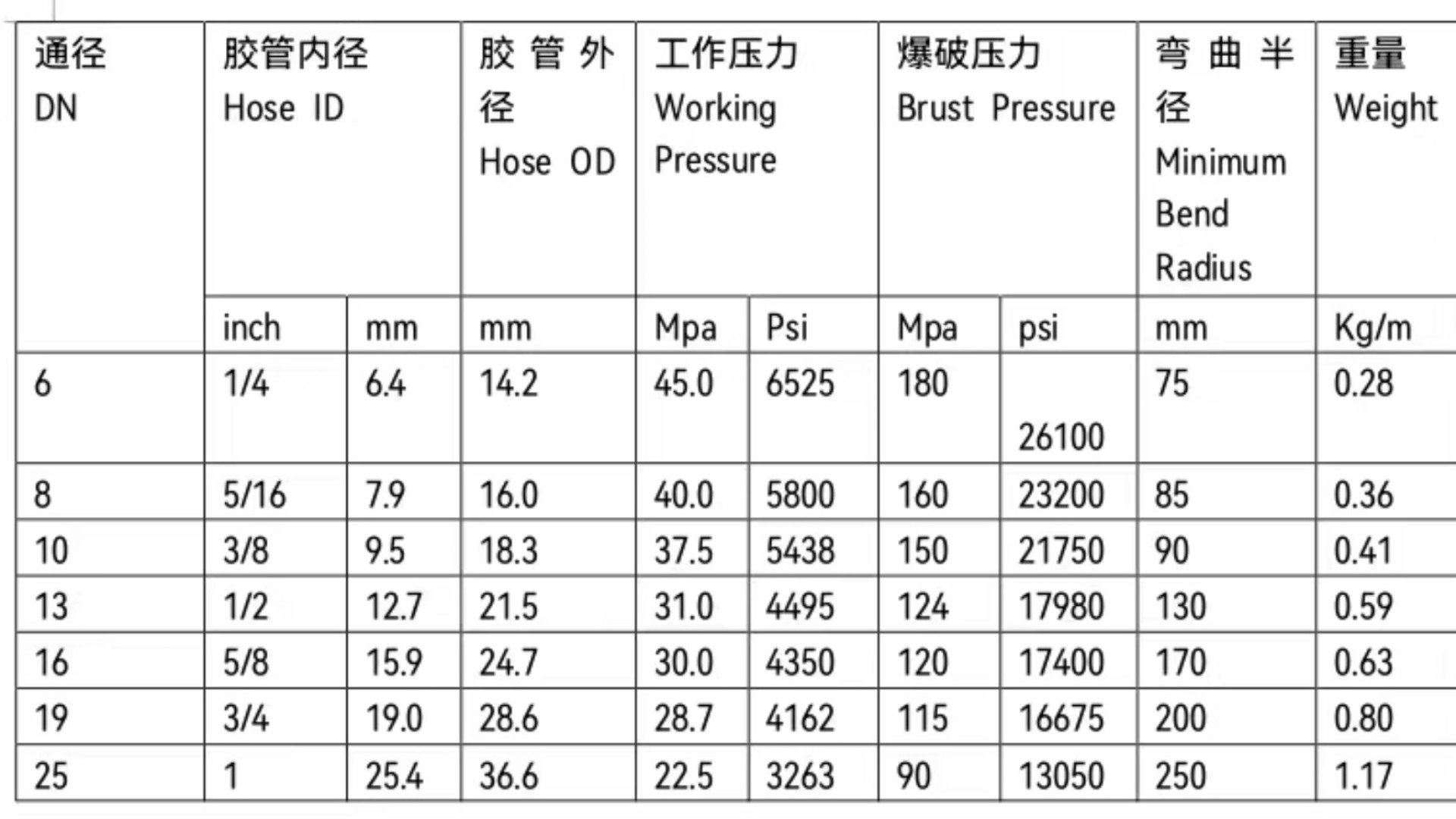
| Parameter | Unit | Typical Value (Standard Duty) | Typical Value (Heavy Duty) |
|---|---|---|---|
| Working Pressure | PSI | 2000 | 4000 |
| Burst Pressure | PSI | 6000 | 12000 |
| Inner Diameter | Inch | 0.25 | 0.375 |
| Outer Diameter | Inch | 0.5 | 0.75 |
| Tensile Strength | MPa | 28 | 42 |
| Elongation at Break | % | 400 | 500 |
| Operating Temperature Range | °F | -40 to 176 | -40 to 212 |
Failure Mode & Maintenance
High-pressure car washer hoses are susceptible to several failure modes. Fatigue cracking, caused by repeated pressurization and depressurization cycles, is a common issue, particularly near fittings. Delamination, the separation of layers, can occur due to inadequate bonding during manufacturing or exposure to harsh chemicals. Degradation, resulting from UV exposure, ozone attack, or chemical incompatibility, leads to material weakening and cracking. Oxidation, particularly at high temperatures, can cause the rubber compound to become brittle and lose its elasticity. Abrasion, caused by contact with abrasive surfaces, can wear through the outer cover and expose the reinforcement layers.
Maintenance is crucial to extend hose life and prevent failures. Regular visual inspection for cracks, bulges, or abrasions is essential. After each use, the hose should be properly coiled and stored away from direct sunlight and extreme temperatures. Fittings should be checked for tightness and corrosion. Avoid kinking the hose, as this can weaken the internal structure. If the hose exhibits any signs of damage, it should be immediately replaced. Do not exceed the maximum working pressure specified by the manufacturer. Periodic replacement, even without visible damage, is recommended based on usage frequency and environmental conditions. Proper fitting installation (correct crimping, torque specifications) is critical to avoid premature failure.
Industry FAQ
Q: What is the primary difference between a single-wire braid and a two-wire braid reinforcement in a high-pressure hose?
A: A two-wire braid provides significantly higher tensile strength and burst pressure capability compared to a single-wire braid. The additional layer of reinforcement distributes the load more effectively, reducing stress concentration and improving overall durability. However, a two-wire braid hose is generally less flexible than a single-wire braid hose.
Q: How does the operating temperature affect the lifespan of a TPU hose?
A: Exposure to high temperatures accelerates the degradation of TPU, leading to reduced flexibility and increased susceptibility to cracking. Conversely, extremely low temperatures can make the hose brittle and prone to kinking. Operating within the specified temperature range is crucial for maximizing lifespan.
Q: What chemical compatibility testing is recommended before using a hose with specific cleaning agents?
A: Immersion testing is the most common method. A sample of the hose material is submerged in the cleaning agent for a specified period at a controlled temperature. The sample is then evaluated for changes in weight, volume, hardness, and tensile strength. This helps determine if the cleaning agent will cause swelling, softening, or degradation of the hose material.
Q: What are the common causes of fitting failure in high-pressure hoses?
A: Common causes include improper crimping, corrosion of the fitting material, exceeding the torque specification during installation, and fatigue cracking due to repeated pressurization cycles. Using incompatible fitting materials (e.g., brass fittings with aluminum hoses) can also lead to galvanic corrosion and failure.
Q: How important is surge pressure protection for high-pressure hoses?
A: Surge pressure (sudden spikes in pressure) is a major contributor to hose failure. Surge pressure protection, such as a surge suppressor or a pressure relief valve, is highly recommended to prevent damage caused by these transient pressure events. Without surge protection, hoses can be rapidly stressed beyond their working pressure limits.
Conclusion
High-pressure car washer hoses represent a sophisticated engineered product requiring careful material selection, precise manufacturing control, and adherence to industry standards. Their performance is directly linked to material properties – primarily the synthetic rubber compound and reinforcement braiding – and the ability to withstand high pressures, temperature fluctuations, and chemical exposure. Understanding the failure modes, such as fatigue cracking and delamination, is crucial for implementing effective maintenance practices and ensuring operational safety.
Looking forward, advancements in materials science, particularly the development of more durable and chemically resistant polymers, will continue to improve hose performance and lifespan. Furthermore, the integration of smart sensing technologies, capable of monitoring pressure, temperature, and strain, will enable predictive maintenance and prevent catastrophic failures. The long-term reliability of these hoses remains paramount to the efficiency and safety of car washing operations and related industrial applications.