
Apr . 01, 2024 17:55 Back to list
gasoline fuel hose Performance Analysis
Introduction
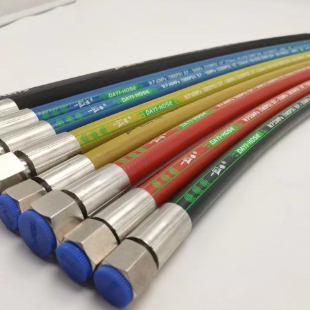
Gasoline fuel hose is a critical component in fuel delivery systems, designed to safely and reliably transfer gasoline from the storage tank to the engine. Positioned within the broader automotive and fluid transfer industries, it represents a specialized subset of reinforced flexible tubing. Its core performance characteristics are defined by its resistance to fuel permeation, chemical degradation from gasoline and its additives, pressure handling capability, and long-term durability under cyclical loading and temperature variations. The industry faces persistent challenges related to increasingly stringent emissions regulations (driving the need for ultra-low permeation hoses), compatibility with evolving gasoline formulations (e.g., ethanol blends), and the demand for lighter-weight, more flexible hose constructions to improve vehicle fuel efficiency and ease of installation. A failure in fuel hose can lead to fuel leaks, posing significant fire hazards and environmental concerns, making material selection and manufacturing quality paramount.
Material Science & Manufacturing
Gasoline fuel hose construction typically involves several layers, each serving a specific purpose. The inner tube, in direct contact with gasoline, is commonly made from a specialized blend of synthetic rubbers such as Chlorinated Polyethylene (CPE), Fluoroelastomers (FKM - Viton), or Nitrile Rubber (NBR) with specific formulations optimized for gasoline resistance. CPE is favored for its good balance of properties and cost-effectiveness, while FKM offers superior resistance to aggressive fuel blends and high temperatures, albeit at a higher cost. NBR provides reasonable resistance but is less effective with ethanol-containing fuels. The reinforcement layer, critical for pressure resistance and dimensional stability, is usually comprised of multiple plies of high-tensile synthetic fiber (e.g., polyester, aramid – Kevlar) braided or spiraled around the inner tube. The braid angle significantly influences burst pressure and flexibility. An outer cover, typically made of CPE or Polyvinyl Chloride (PVC), provides environmental protection against abrasion, ozone, ultraviolet (UV) radiation, and weathering.
Manufacturing processes begin with compound mixing, where raw polymers, plasticizers, curing agents, fillers, and anti-aging additives are precisely blended. This mixture is then extruded through a die to form the inner tube. The reinforcement layer is applied via automated braiding or spiraling machines, carefully controlling tension and ply count. The outer cover is subsequently extruded over the reinforcement layer. Critical process parameters include extrusion temperature, curing time and temperature (vulcanization), and braid tension. Precise control of these parameters ensures consistent material properties and dimensional accuracy. Post-processing steps involve dimensional inspection, pressure testing (hydrostatic or pneumatic), and leak testing to verify product integrity. Permeation testing, using standardized procedures (SAE J30), is essential to confirm compliance with emissions standards.
Performance & Engineering
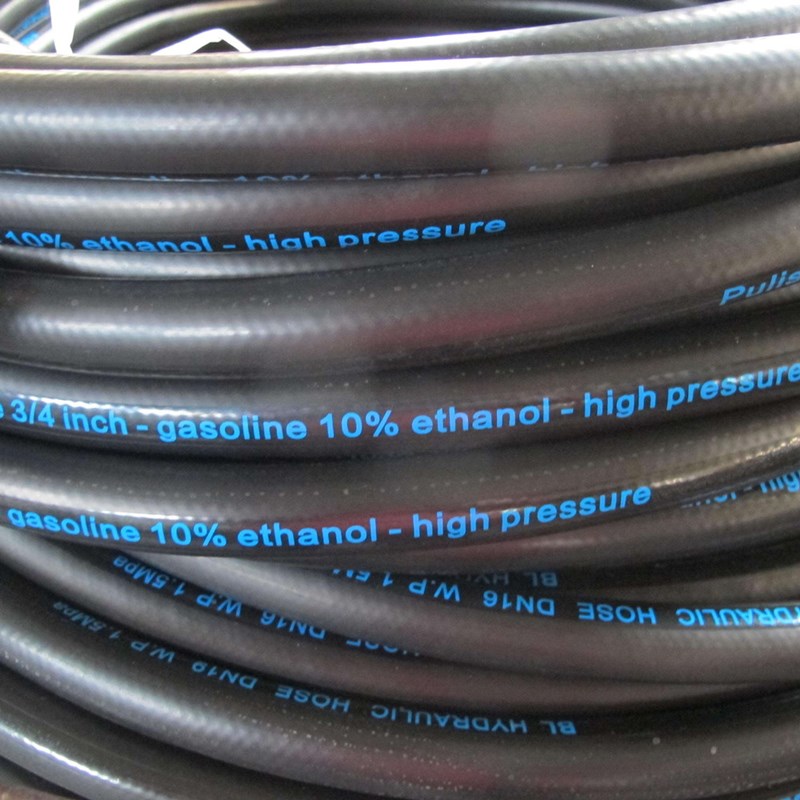
The performance of gasoline fuel hose is fundamentally governed by its ability to withstand internal pressure, external mechanical stress, and prolonged exposure to the chemical effects of gasoline. Force analysis considers hoop stress within the hose wall under pressure, bending stress during installation and operation, and impact loads. Finite Element Analysis (FEA) is often employed to optimize hose construction and predict stress distribution under various loading conditions. Environmental resistance is crucial; gasoline fuel hose must maintain its flexibility and integrity across a wide temperature range (-40°C to +125°C is typical) and resist degradation from exposure to UV radiation, ozone, and road salts.
Compliance with industry regulations is paramount. In the United States, SAE International standards (e.g., SAE J30 for fuel permeation, SAE J20 for fuel hose performance) are widely adopted. European standards, such as EN ISO 808, specify requirements for fuel hose used in automotive applications. These standards define test methods and performance criteria for burst pressure, tensile strength, elongation at break, permeation rate, and resistance to specific fuel blends. Furthermore, the hose must be compatible with fuel additives (e.g., corrosion inhibitors, detergents, oxygenates) commonly found in gasoline. The potential for static electricity buildup is also addressed through the incorporation of conductive materials in the hose construction to prevent spark ignition.
Technical Specifications
| Parameter | Unit | Typical Value (CPE Hose) | Typical Value (FKM Hose) |
|---|---|---|---|
| Inner Diameter | mm | 6-19 | 6-19 |
| Working Pressure | bar | 3-7 | 5-10 |
| Burst Pressure | bar | 12-21 | 15-30 |
| Tensile Strength | MPa | 10-15 | 15-20 |
| Elongation at Break | % | 200-400 | 250-450 |
| Permeation Rate (Gasoline) | g/m²/day | <0.8 | <0.2 |
Failure Mode & Maintenance
Gasoline fuel hose is susceptible to several failure modes. Fatigue cracking, resulting from repeated flexing and pressure cycles, is a common cause of failure, particularly near fittings. Permeation-induced swelling can lead to dimensional changes and eventual cracking, especially with prolonged exposure to gasoline and its additives. Chemical degradation, caused by incompatibility with specific fuel blends or additives, can result in rubber softening, cracking, and loss of mechanical properties. Abrasion from rubbing against surrounding components can damage the outer cover, exposing the reinforcement layer. Exposure to ozone and UV radiation can cause surface cracking and loss of flexibility.
Preventative maintenance involves regular visual inspection for cracks, swelling, abrasion, and leaks. Hose clamps should be checked for tightness and corrosion. The hose should be replaced immediately if any signs of damage are observed. Avoid kinking the hose during installation or operation. When replacing a hose, ensure the new hose is compatible with the fuel type and meets the applicable industry standards. Storage of fuel hose should be in a cool, dry, dark environment to minimize degradation. Avoid contact with solvents and oils not compatible with the hose material. Proper installation practices, including the use of appropriate fittings and routing, are crucial for maximizing hose lifespan and ensuring safe operation.
Industry FAQ
Q: What is the primary difference between CPE and FKM fuel hose in terms of application?
A: CPE hoses are typically used in standard gasoline applications where cost-effectiveness is a key concern. FKM hoses are preferred for applications involving aggressive fuel blends (high ethanol content, methanol), higher operating temperatures, or prolonged exposure to harsh chemicals, offering superior chemical resistance but at a higher cost.
Q: How does the reinforcement layer impact fuel hose performance?
A: The reinforcement layer provides the hose with its pressure resistance and dimensional stability. The material (e.g., polyester, aramid), ply count, and braid angle directly influence the hose’s burst pressure, flexibility, and resistance to kinking. A higher ply count and tighter braid angle generally result in higher burst pressure but reduced flexibility.
Q: What is fuel permeation, and why is it important in fuel hose selection?
A: Fuel permeation is the diffusion of fuel through the hose wall. High permeation rates contribute to evaporative emissions, violating environmental regulations. Fuel hose selection must prioritize low permeation rates to minimize emissions and ensure compliance with standards like SAE J30.
Q: What are the common causes of premature fuel hose failure in the field?
A: Common causes include fatigue cracking due to repeated flexing, chemical degradation from incompatible fuel blends, abrasion damage, ozone cracking from environmental exposure, and improper installation (kinking, over-tightening of clamps). Regular inspection and preventative maintenance are vital to mitigate these risks.
Q: How can I verify that a fuel hose meets applicable safety standards?
A: Look for markings on the hose indicating compliance with relevant standards such as SAE J30, SAE J20, or EN ISO 808. These markings typically include the standard number, the manufacturer's identification, and the hose's performance specifications. Request certificates of compliance from the supplier to verify testing results.
Conclusion
Gasoline fuel hose is a deceptively complex component, requiring a meticulous understanding of material science, manufacturing processes, and performance engineering. Its functionality is paramount for safe and reliable fuel delivery, and its selection and maintenance directly impact vehicle performance, environmental compliance, and safety. The ongoing drive for improved fuel efficiency, lower emissions, and compatibility with evolving fuel formulations necessitates continuous innovation in fuel hose technology, focusing on advanced materials, optimized constructions, and rigorous testing protocols.
The future of gasoline fuel hose development will likely center on the use of novel polymer blends with enhanced barrier properties, the integration of advanced reinforcement materials (e.g., carbon fiber), and the implementation of intelligent monitoring systems to detect potential failures before they occur. Adhering to international standards and maintaining a robust quality control system throughout the manufacturing process are fundamental for ensuring the long-term performance and safety of this critical automotive component.