
Apr . 01, 2024 17:55 Back to list
Fuel Hose Performance Analysis
Introduction
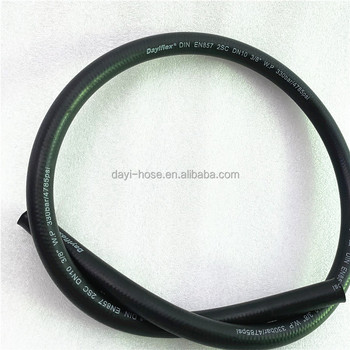
Fuel hose is a specialized flexible conduit designed for the safe and efficient transfer of flammable liquid fuels, primarily gasoline, diesel, and aviation fuels. Positioned within the downstream petroleum industry, it connects storage tanks, pumps, and dispensing nozzles, representing a critical component in fuel distribution systems. Core performance characteristics are defined by its resistance to fuel permeation, burst pressure, abrasion, and resistance to environmental factors such as ozone and UV radiation. The industry faces recurring challenges related to fuel compatibility with evolving fuel formulations (e.g., ethanol blends), maintaining long-term flexibility to prevent kinking, and ensuring consistent adherence to stringent safety regulations. Fuel hose technology is evolving towards lighter weight, higher pressure ratings, and enhanced resistance to bio-fuels.
Material Science & Manufacturing
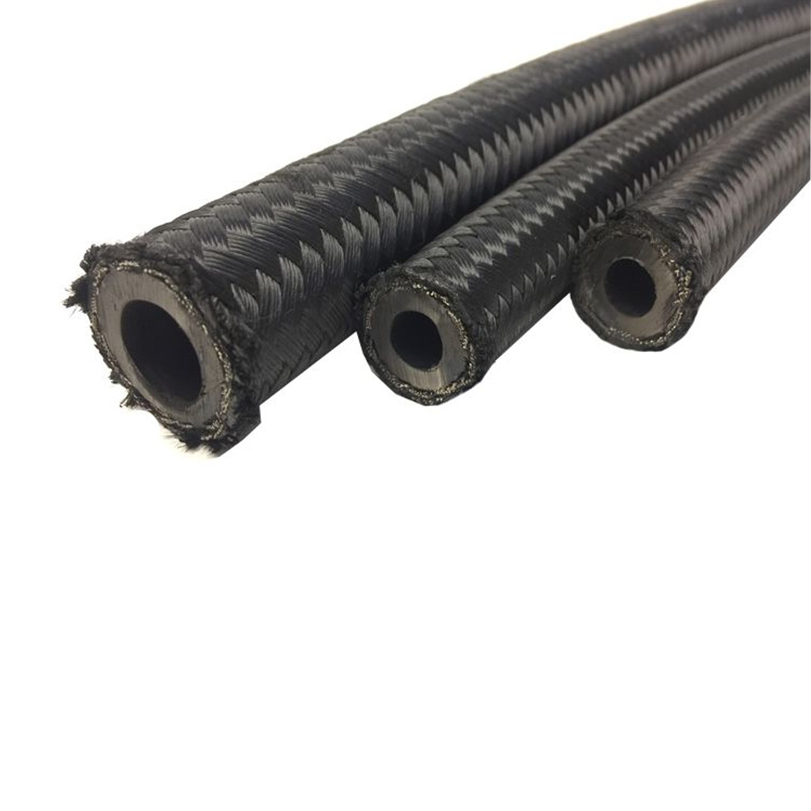
Fuel hose construction typically utilizes a multi-layer composition. The inner tube is commonly formulated from nitrile rubber (NBR) due to its excellent resistance to aliphatic hydrocarbons, or specialized fluoropolymers like Viton (FKM) for enhanced chemical compatibility with fuels containing higher aromatic content or ethanol. The reinforcement layer is critical for pressure containment and is often comprised of multiple plies of synthetic textile fibers (typically polyester or nylon) embedded in a polymer matrix. An outer cover, usually employing chloroprene rubber (CR, Neoprene) or EPDM rubber, provides protection against abrasion, weathering, and ozone degradation.
Manufacturing processes vary depending on hose complexity. Simple hoses can be produced through extrusion of the inner tube and outer cover, followed by helical winding of the reinforcement layer and subsequent vulcanization. More sophisticated hoses, such as those with spiral reinforcement, utilize a wrapping process where reinforcement materials are continuously wound under tension. Critical parameters include temperature control during vulcanization to achieve optimal crosslinking of the rubber compounds, ply adhesion ensuring bond strength between layers, and dimensional accuracy to meet specific bore diameter and length tolerances. Permeation testing is conducted throughout production to verify fuel impermeability. Batch consistency and traceability of raw materials are vital for quality control.
Performance & Engineering
Fuel hose performance is governed by several key engineering principles. Burst pressure, a critical safety parameter, is determined by the tensile strength of the reinforcement layers and the bond strength between layers. Hose elongation under pressure must be within acceptable limits to prevent connection failures. Fuel permeation, measured in grams of fuel per square meter per day, is crucial for preventing evaporative emissions and maintaining fuel purity. Abrasion resistance, typically assessed using Taber abrasion testing, dictates the hose's lifespan in demanding environments. Environmental resistance, particularly ozone and UV resistance, is evaluated through accelerated weathering tests.
Force analysis considers the static and dynamic stresses imposed on the hose during fuel transfer and handling. Fatigue analysis is crucial for assessing long-term durability under cyclic pressure and bending loads. Compliance requirements are stringent, particularly regarding flammability and electrical conductivity to prevent static discharge ignition of fuel vapors. Functional implementation often necessitates incorporating static grounding provisions and ensuring compatibility with quick-connect coupling systems. The hose’s flexibility – its bend radius – is engineered to prevent kinking which can restrict fuel flow and compromise structural integrity. Consideration must be given to the coefficient of thermal expansion and contraction of the hose material.
Technical Specifications
| Parameter | Unit | Typical Value (Gasoline Fuel Hose) | Typical Value (Diesel Fuel Hose) |
|---|---|---|---|
| Working Pressure | PSI | 150 | 50 |
| Burst Pressure | PSI | 600 | 200 |
| Inner Diameter | inches | 3/8 - 1 | 1/2 - 2 |
| Outer Diameter | inches | 1/2 - 1 1/4 | 3/4 - 2 1/2 |
| Fuel Permeation | g/m²/day | < 1 | < 0.5 |
| Tensile Strength (Reinforcement) | MPa | 1500 | 1000 |
Failure Mode & Maintenance
Common failure modes in fuel hose include cracking due to ozone degradation, permeation-induced swelling and softening of the rubber, delamination of reinforcement plies, and fatigue cracking resulting from repeated bending and pressure cycling. Abrasion can lead to localized wear and eventual puncture. Ethanol-blended fuels can accelerate degradation of NBR inner tubes, leading to increased permeability and embrittlement. Failure analysis often reveals that improper installation (excessive bending, over-tightening of connections) contributes significantly to premature failure.
Preventive maintenance involves regular visual inspections for cracks, abrasions, and swelling. Hose should be replaced if any signs of degradation are observed. Proper storage, away from direct sunlight and ozone sources, is essential. Connections should be inspected for tightness and corrosion. Avoid kinking the hose during handling. Following manufacturer’s recommendations for maximum operating pressure and temperature is critical. Periodic pressure testing can identify potential weaknesses before catastrophic failure occurs. Documentation of hose usage and inspection history is recommended.
Industry FAQ
Q: What is the impact of increasing ethanol content in gasoline on fuel hose longevity?
A: Higher ethanol content significantly increases fuel permeability and can cause swelling and degradation of NBR rubber, the common inner tube material. This leads to increased evaporative emissions and reduces the hose’s lifespan. Fluoropolymer (FKM) inner tubes offer superior resistance to ethanol but are more costly. Careful selection of hose materials compatible with expected fuel blends is paramount.
Q: How does temperature affect the performance of fuel hose?
A: Elevated temperatures can accelerate rubber degradation and increase fuel permeation rates. Low temperatures can reduce hose flexibility, increasing the risk of cracking. The hose’s specified temperature range must be adhered to. Thermal expansion and contraction need to be accounted for in installation.
Q: What are the key considerations when selecting a fuel hose for diesel fuel?
A: Diesel fuel, while less aggressive than gasoline, can still cause rubber degradation over time. Lower working pressures are typically required for diesel applications, so reinforcement requirements are often less stringent. Compatibility with biodiesel blends should be verified. Static grounding is equally important for diesel fuel handling.
Q: What are the common causes of hose failure related to static electricity?
A: The flow of fuel through the hose can generate static electricity, particularly in low humidity environments. If the hose is not properly grounded, this static charge can accumulate and discharge, potentially igniting fuel vapors. Employing hoses with conductive inner liners and ensuring proper grounding connections are essential safety measures.
Q: How often should fuel hoses be replaced in a commercial fueling facility?
A: Replacement frequency depends on usage, fuel type, and environmental conditions. Regular inspections are critical. As a general guideline, hoses should be replaced every 3-5 years, or sooner if signs of degradation are observed. Compliance with local regulations often dictates specific replacement schedules.
Conclusion
Fuel hose technology represents a crucial, yet often overlooked, aspect of safe and efficient fuel handling. The selection of appropriate materials, coupled with rigorous manufacturing processes and adherence to industry standards, is paramount for ensuring long-term reliability and preventing catastrophic failures. Understanding the interplay between fuel composition, operating conditions, and hose material properties is essential for optimizing performance and minimizing environmental impact.
Future developments in fuel hose technology will likely focus on enhanced compatibility with alternative fuels, lighter weight materials, and integrated sensing capabilities for real-time monitoring of hose condition. Continued research into advanced rubber formulations and reinforcement techniques will drive improvements in durability, permeability resistance, and overall safety. Maintaining proactive maintenance programs and adhering to regulatory requirements remain vital for maximizing the service life and mitigating risks associated with fuel hose operation.