
Apr . 01, 2024 17:55 Back to list
four wire spiral hydraulic hose Performance Analysis
Introduction
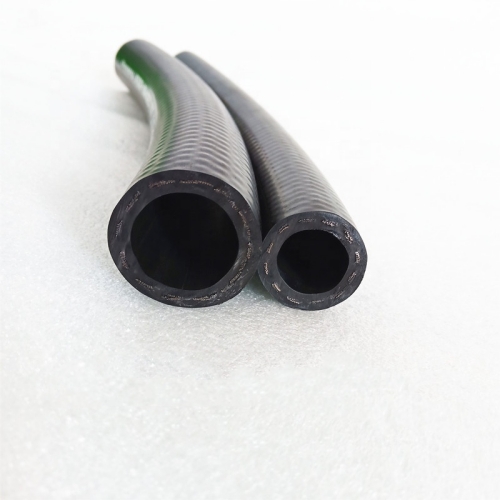
Four wire spiral hydraulic hose constitutes a critical fluid conveyance component within industrial, mobile, and oil & gas applications. Characterized by its robust construction—an inner tube, multiple layers of high-tensile steel wire spirally wound, and a protective outer cover—this hose excels in delivering fluids under high pressure and demanding operating conditions. Its technical position resides firmly within the power transmission and fluid power systems supply chain, directly impacting system efficiency, reliability, and safety. Core performance characteristics include pressure capacity, flexibility, temperature resistance, and resistance to fluid compatibility issues. Unlike smooth bore hoses or those with braided reinforcement, the spiral wire construction offers superior burst strength and kink resistance, making it suitable for applications demanding extreme performance and durability. The inherent challenge in hydraulic system design lies in maintaining fluid integrity and preventing catastrophic failure, and four wire spiral hose is engineered to mitigate these risks.
Material Science & Manufacturing
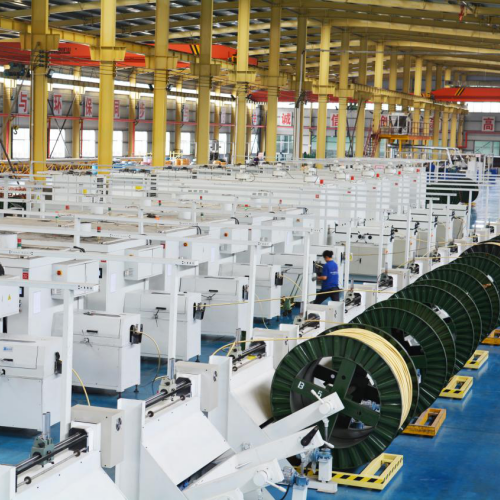
The composition of a four wire spiral hydraulic hose is a carefully orchestrated blend of materials. The inner tube typically utilizes synthetic rubbers like nitrile (NBR), ethylene propylene diene monomer (EPDM), or fluorocarbon (FKM), selected based on fluid compatibility. NBR offers excellent resistance to petroleum-based oils, EPDM excels in phosphate ester fluids and high-temperature applications, while FKM provides exceptional chemical resistance across a broad spectrum of fluids, albeit at a higher cost. The reinforcing layers consist of high-strength steel wire – typically drawn from carbon steel alloys – spirally wound to provide the hose’s pressure-bearing capacity. Wire diameter and pitch (spacing between windings) are critical parameters. The outer cover employs a durable synthetic rubber compound, often incorporating weathering agents and abrasion resistance additives, to protect the steel wire from corrosion and environmental degradation. Manufacturing involves a complex extrusion and winding process. First, the inner tube is extruded. Then, the steel wire is continuously wound around the tube at a precisely controlled pitch and tension. This is followed by the application of the outer cover through another extrusion process. Crucially, adhesion between layers is vital. Surface treatment of the wire and appropriate rubber compound formulations promote strong bonding. Post-extrusion, the hose undergoes curing—vulcanization—to crosslink the rubber compounds, enhancing their strength, elasticity, and resistance to degradation. Parameter control during curing (temperature, time, pressure) is paramount to achieving optimal material properties. Quality control procedures include dimensional checks, pressure testing (burst and working pressure), and material analysis (hardness, tensile strength).
Performance & Engineering
The performance of four wire spiral hydraulic hose is governed by principles of fluid mechanics and materials science. The steel wire spiral provides the primary resistance to hoop stress generated by internal fluid pressure. The number of layers of wire directly correlates to the hose's maximum working pressure and burst pressure. Force analysis involves calculating the circumferential stress in the hose wall, considering the internal pressure, wire diameter, pitch, and tube dimensions. Fatigue life is a crucial engineering concern. Cyclic pressure fluctuations can induce fatigue cracking in the steel wire, eventually leading to failure. This is addressed through careful wire selection, proper winding technique, and anti-fatigue rubber compounds. Environmental resistance is also critical. Exposure to extreme temperatures, UV radiation, ozone, and corrosive chemicals can degrade the rubber compounds, reducing their flexibility and strength. The hose must meet or exceed industry standards for temperature range and fluid compatibility. Compliance requirements, such as those defined by SAE (Society of Automotive Engineers) standards (e.g., SAE J517), dictate minimum performance criteria, including pressure ratings, temperature limits, and chemical resistance. Specific applications (e.g., offshore oil drilling, aerospace) may impose additional, more stringent requirements. Furthermore, proper hose assembly and installation, including the use of appropriate fittings and crimping procedures, are essential for maintaining its structural integrity and preventing leaks.
Technical Specifications
| Parameter | Unit | Specification Range (Typical) | Testing Standard |
|---|---|---|---|
| Working Pressure | MPa | 20 - 420 | SAE J517 / EN 856 |
| Burst Pressure | MPa | 60 - 1260 | SAE J517 / EN 856 |
| Temperature Range | °C | -40 to +100 (NBR), -40 to +150 (EPDM), -40 to +200 (FKM) | SAE J517 / EN 856 |
| Inner Tube Material | - | NBR, EPDM, FKM | ASTM D2000 |
| Reinforcement | - | High-Tensile Steel Wire (Multiple Spiral Layers) | ASTM A228 |
| Outer Cover Material | - | CR (Chloroprene Rubber) | ASTM D2000 |
Failure Mode & Maintenance
Failure modes in four wire spiral hydraulic hose are often complex and can stem from a variety of causes. Fatigue cracking of the steel wire, induced by cyclic pressure loads and vibration, is a common failure mechanism. This often initiates at points of stress concentration, such as where the wire bends around the inner tube. Another prevalent failure mode is rubber degradation, resulting from exposure to extreme temperatures, UV radiation, ozone, and incompatible fluids. This leads to loss of flexibility, cracking, and eventual leakage. Corrosion of the steel wire, particularly in marine environments or when exposed to corrosive fluids, can significantly reduce its strength and cause premature failure. Delamination, or separation of the hose layers, can occur due to poor adhesion between the rubber compounds and the steel wire. Abrasion damage to the outer cover can expose the steel wire to corrosion. Maintenance is critical to extending the hose’s service life. Regular visual inspections are essential to identify signs of damage, such as cracks, abrasions, bulges, or leaks. Hoses should be replaced if any damage is detected. Proper hose routing and support are important to prevent kinking and abrasion. Avoid sharp bends and ensure the hose is adequately supported to prevent excessive stress. Regular fluid analysis can identify contaminants that could degrade the hose materials. Store hoses in a cool, dry, and dark environment to minimize degradation. Proper handling during installation and removal is essential; avoid twisting or stretching the hose.
Industry FAQ
Q: What is the impact of fluid velocity on the lifespan of a four wire spiral hydraulic hose?
A: Higher fluid velocities increase erosion of the inner tube and exacerbate fatigue due to pressure pulsations. Excessive velocity can also induce cavitation, leading to localized high stresses and damage. Selecting a hose with a larger inner diameter to reduce velocity, or implementing pulsation dampeners, can mitigate these effects.
Q: How does the wire pitch influence the hose’s flexibility and pressure rating?
A: A tighter wire pitch (closer spacing) generally increases the hose’s pressure rating but reduces its flexibility. A wider pitch enhances flexibility but compromises pressure capacity. The optimal pitch is a balance between these two factors, dictated by the application requirements.
Q: What are the key differences between NBR, EPDM, and FKM inner tube materials in terms of fluid compatibility?
A: NBR is best suited for petroleum-based oils, EPDM for phosphate ester fluids and high temperatures, and FKM offers the broadest chemical resistance, including compatibility with aggressive chemicals and high-temperature synthetic fluids. Selecting the correct material is crucial to prevent swelling, degradation, and leakage.
Q: How do I determine the correct working pressure for my application?
A: The working pressure should be significantly lower than the hose’s stated burst pressure, typically with a 4:1 safety factor. Consider all potential pressure spikes and fluctuations in the system. Refer to the hose manufacturer’s specifications and applicable industry standards.
Q: What are the common causes of hose twisting and how can it be prevented?
A: Hose twisting is often caused by improper installation, inadequate hose length, or system misalignment. Ensure sufficient hose length to accommodate movement without twisting. Use swivel fittings to allow the hose to rotate with the system. Properly support the hose to prevent it from binding.
Conclusion
Four wire spiral hydraulic hose represents a sophisticated engineering solution for high-pressure fluid conveyance. Its performance is intrinsically linked to material selection, manufacturing precision, and adherence to rigorous industry standards. Understanding the interplay between these factors—the properties of the rubber compounds, the strength and configuration of the steel wire reinforcement, and the principles of fluid mechanics—is crucial for ensuring reliable operation and maximizing service life.
Continued advancements in material science and manufacturing techniques will likely lead to the development of even more durable and high-performance hydraulic hoses. Future trends may include the integration of smart sensors for real-time condition monitoring and predictive maintenance, as well as the development of bio-based rubber compounds for improved sustainability. Selecting the correct hose for a specific application remains paramount, requiring careful consideration of fluid compatibility, pressure requirements, temperature range, and environmental factors.