
Apr . 01, 2024 17:55 Back to list
four wire spiral high pressure hydraulic hose Performance Analysis
Introduction
Four wire spiral high pressure hydraulic hose is a critical component in fluid power systems, engineered to transmit hydraulic fluid under extreme pressures and challenging operating conditions. Positioned within the hydraulic system as the conduit between pumps, valves, actuators, and other components, its performance directly impacts system efficiency, reliability, and safety. This hose differs significantly from low-pressure options through its construction – utilizing multiple layers of high-tensile steel wire spirally wrapped within a robust rubber compound. Core performance characteristics include burst pressure, working pressure, temperature resistance, and resistance to fluid compatibility. A primary industry pain point centers around premature hose failure due to improper material selection for the fluid conveyed, leading to costly downtime and potential safety hazards. Understanding the nuanced interplay between material properties, manufacturing processes, and operational parameters is therefore paramount for optimal system performance and longevity.
Material Science & Manufacturing
The core materials in four wire spiral high pressure hydraulic hose construction are synthetic rubber (typically SBR, NBR, or a blend optimized for fluid resistance), high-tensile steel wire, and reinforcing fiber layers. NBR (Nitrile Butadiene Rubber) offers excellent resistance to petroleum-based hydraulic fluids, while SBR (Styrene Butadiene Rubber) provides broader compatibility and lower cost. The steel wire, crucial for pressure containment, is typically carbon steel with a tensile strength exceeding 2000 MPa, often treated with zinc plating for corrosion inhibition. The manufacturing process begins with the extrusion of the inner tube, forming the fluid barrier. This is followed by the spiraling of the steel wire, meticulously controlled to ensure consistent pitch and coverage. Reinforcing fiber layers, often composed of textile braids or spirally wound polyester, enhance flexibility and burst strength. Finally, the outer cover, selected for abrasion, ozone, and weather resistance, is extruded. Critical parameters during manufacture include wire tension during spiraling, rubber vulcanization temperature and time (impacting crosslink density and elasticity), and dimensional tolerances. Inconsistent vulcanization can lead to reduced elasticity and susceptibility to cracking. Precise control of these parameters is vital to achieving consistent performance and adhering to industry standards. Failure to maintain proper temperature profiles during extrusion can cause material defects and compromised structural integrity.
Performance & Engineering
The performance of four wire spiral hose is fundamentally governed by its ability to withstand internal pressure without failure. This is quantified by burst pressure (the pressure at which the hose ruptures) and working pressure (a significantly lower value, typically 1/4 of burst pressure, representing safe operating limits). Force analysis reveals that the steel wire bears the majority of the tensile load, while the rubber compound provides a sealing function and supports the wire structure. Environmental resistance is also critical; hydraulic systems often operate in wide temperature ranges and exposure to corrosive substances. The rubber compound’s resilience to degradation from heat, ozone, UV radiation, and chemical attack (from fluids like brake fluid, mineral oils, and synthetic hydraulic fluids) directly affects the hose’s lifespan. Compliance requirements vary by region but commonly include standards like SAE J517 (USA), EN 856 (Europe), and GB/T 3686 (China). Fatigue life – the number of pressure cycles the hose can endure before failure – is a crucial engineering consideration, particularly in applications with frequent pressure fluctuations. Finite element analysis (FEA) is often employed during design to optimize the hose geometry and material selection for maximizing fatigue resistance. Improper hose routing, excessive bending, and physical abrasion significantly reduce fatigue life.
Technical Specifications
| Parameter | Unit | Specification (Typical) | Testing Standard |
|---|---|---|---|
| Working Pressure | MPa | 25-42 | SAE J517 |
| Burst Pressure | MPa | 75-126 | SAE J517 |
| Temperature Range | °C | -40 to +100 | DIN EN 856 |
| Inner Tube Material | - | NBR (Nitrile Rubber) | ASTM D2000 |
| Reinforcement | Layers | 4 Spiral Steel Wire | ISO 6802 |
| Outer Cover Material | - | SBR (Styrene Butadiene Rubber) | ASTM D2000 |
Failure Mode & Maintenance
Common failure modes for four wire spiral hydraulic hose include wire breakage, rubber degradation, and fitting failure. Wire breakage typically initiates from corrosion pits or fatigue cracks originating at stress concentrators (e.g., sharp bends, damaged areas). Rubber degradation manifests as cracking, hardening, or swelling due to exposure to incompatible fluids, heat, or ozone. Fitting failures can occur due to improper crimping, corrosion, or material incompatibility. Failure analysis often reveals that premature failures are linked to exceeding the working pressure, operating outside the specified temperature range, or using the hose with fluids for which it is not rated. Regular inspection is vital. This should include visual checks for cracks, abrasions, and leaks. Hose rotation (periodic repositioning) can help distribute wear. When replacing a hose, it is crucial to ensure the new hose meets or exceeds the original specifications. Crimping procedures must follow manufacturer’s recommendations precisely. Contamination of the hydraulic fluid can accelerate hose degradation. Maintaining fluid cleanliness through proper filtration is therefore an essential maintenance practice. Avoid sharp bends and kinking during installation and operation. Proper support mechanisms should be used to prevent sagging and excessive stress on the hose.
Industry FAQ
Q: What is the impact of fluid velocity on hose lifespan?
A: Higher fluid velocities can induce erosion of the inner tube, particularly with fluids containing abrasive particles. This leads to premature wear and potential leakage. Selecting a hose with a larger internal diameter to reduce fluid velocity, and implementing effective filtration, are recommended mitigation strategies.
Q: How does ozone exposure affect hydraulic hose performance?
A: Ozone attacks the unsaturated bonds in the rubber compound, leading to cracking and loss of elasticity. Using a hose with an outer cover specifically formulated for ozone resistance (e.g., containing antioxidants) is crucial in environments with elevated ozone levels.
Q: What are the key considerations when selecting a hose for a specific hydraulic fluid?
A: Fluid compatibility is paramount. The inner tube material must be resistant to swelling, hardening, or degradation when exposed to the hydraulic fluid. Consult fluid compatibility charts provided by hose manufacturers to ensure proper material selection. Using the wrong hose material can lead to catastrophic failure.
Q: What is the significance of the 'lay flat diameter' specification?
A: The lay flat diameter indicates the hose’s minimum bending radius. Exceeding this radius can cause kinking, restricting fluid flow and potentially damaging the hose. Ensure the hose routing allows for a bending radius that meets or exceeds the specified lay flat diameter.
Q: How do I interpret the markings on a hydraulic hose?
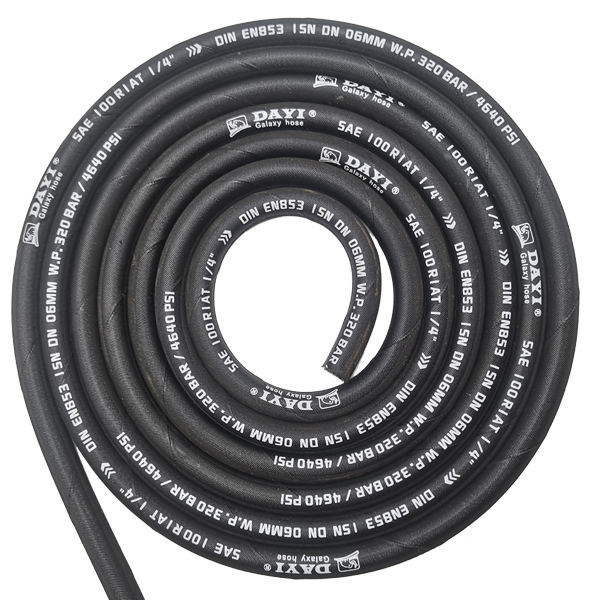
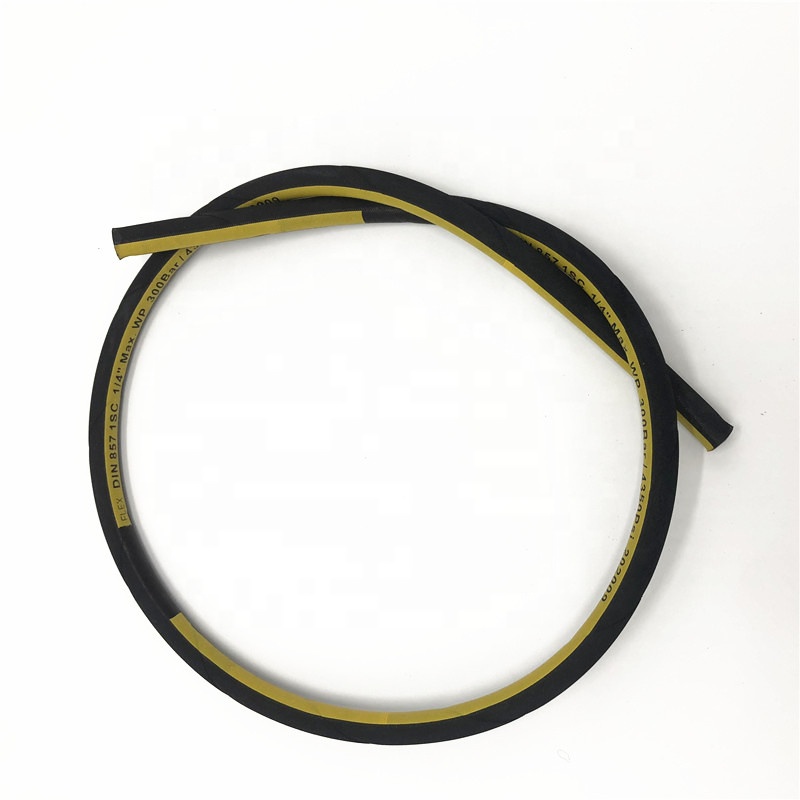
A: Hose markings typically include the manufacturer’s name, hose size, working pressure, burst pressure, and construction details. Understanding these markings is essential for verifying that the hose meets the application requirements and is installed correctly.
Conclusion
Four wire spiral high pressure hydraulic hose represents a sophisticated engineering solution for reliable fluid power transmission. Its performance is inextricably linked to the careful selection of materials, precise manufacturing control, and adherence to relevant industry standards. Understanding the potential failure modes and implementing a proactive maintenance program are critical for maximizing hose lifespan and ensuring system safety. A holistic approach – encompassing proper fluid selection, appropriate hose routing, and regular inspection – is vital for mitigating risks and optimizing operational efficiency.
Future advancements in hydraulic hose technology will likely focus on developing more durable and chemically resistant rubber compounds, implementing advanced wire spiraling techniques for enhanced fatigue resistance, and integrating smart sensors for real-time monitoring of hose condition. This will further enhance the reliability and safety of hydraulic systems, reducing downtime and minimizing environmental impact.