
Apr . 01, 2024 17:55 Back to list
forklift hydraulic hose Performance Analysis
Introduction
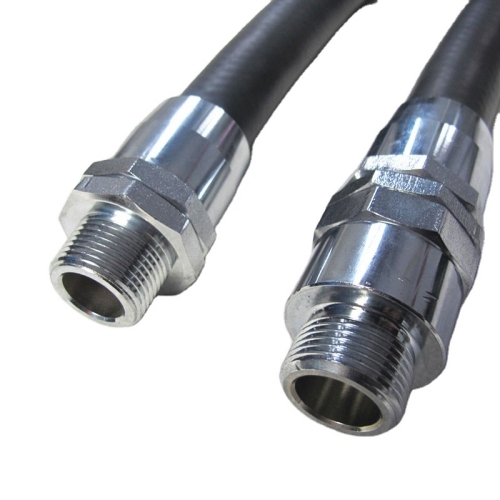
Forklift hydraulic hose is a critical component in the operation of a forklift, responsible for transmitting hydraulic fluid under high pressure to actuate lifting, tilting, and steering mechanisms. Positioned within the industrial fluid power system, these hoses are distinct from general-purpose hydraulic lines due to the demanding operational environment and safety-critical applications inherent to forklift operation. Core performance characteristics center around pressure capacity, burst strength, abrasion resistance, and fluid compatibility. The industry faces ongoing challenges regarding hose failure leading to downtime, potential operator injury, and costly repairs. This guide provides a comprehensive technical overview of forklift hydraulic hoses, covering material science, manufacturing processes, performance characteristics, failure modes, and relevant industry standards.
Material Science & Manufacturing
Forklift hydraulic hoses are typically constructed from multiple layers to withstand high pressures and harsh conditions. The inner tube, in direct contact with the hydraulic fluid (typically mineral oil, synthetic hydraulic fluids, or biodegradable fluids), is commonly made from nitrile rubber (NBR) or fluoroelastomer (FKM/Viton). NBR offers good resistance to petroleum-based fluids, abrasion, and moderate temperatures (typically -40°C to +100°C). FKM provides superior resistance to high temperatures (up to +200°C), aggressive fluids, and ozone. The reinforcement layer is critical for pressure containment. It's usually composed of multiple spiraled high-tensile steel wire layers. The number of spirals dictates the hose's working pressure capacity. A synthetic rubber cover, often using a blend of SBR (styrene-butadiene rubber) and other polymers, provides abrasion, weather, and oil resistance. Manufacturing involves extrusion of the inner tube, spiral winding of steel wire, and subsequent extrusion of the cover. Critical parameters include maintaining consistent wall thickness, proper steel wire tension during winding, and adequate vulcanization (curing) to ensure bonding between layers. Post-production testing includes hydrostatic pressure testing to verify burst pressure and impulse testing to simulate pressure pulsations encountered in forklift operation. The quality of the steel wire, the polymer blends, and the precision of the extrusion and winding processes directly impact the hose's lifespan and reliability. Degradation of the rubber compounds due to UV exposure and ozone attack during storage and use also necessitates careful material selection and protective measures.
Performance & Engineering
The performance of a forklift hydraulic hose is defined by several key engineering parameters. Working pressure, defined as the maximum continuous operating pressure, is a primary specification, typically ranging from 2000 psi to 5000 psi or higher depending on the forklift’s capacity. Burst pressure is significantly higher, typically four times the working pressure, representing the pressure at which the hose will rupture. Impulse pressure, caused by the hydraulic pump's pulsations, induces cyclic stress on the hose reinforcement. Hoses are designed to withstand a specified number of impulse cycles without failure. Bend radius is crucial; exceeding the minimum bend radius causes kinking, restricting flow and creating stress concentrations. Temperature range impacts material properties; exceeding specified temperature limits can lead to premature degradation. Fluid compatibility is paramount. Incompatibility can cause swelling, softening, or cracking of the inner tube, leading to leakage. Force analysis considers hoop stress in the reinforcement layer due to internal pressure and bending stress during operation. Finite element analysis (FEA) is often used to optimize hose design and predict stress distribution under various loading conditions. Compliance requirements dictate adherence to safety standards like ISO 14330 and SAE J517, which define performance criteria and testing procedures. The hose’s end fittings (e.g., SAE J1926-1 straight thread O-ring fittings) also play a critical role in ensuring leak-free connections and withstanding high pressures.
Technical Specifications
| Parameter | Unit | Typical Value (Standard Duty) | Typical Value (Heavy Duty) |
|---|---|---|---|
| Working Pressure | psi | 3000 | 5000 |
| Burst Pressure | psi | 12000 | 20000 |
| Inner Tube Material | - | NBR | FKM |
| Reinforcement | Layers | 2 Spiral Steel Wire | 4 Spiral Steel Wire |
| Cover Material | - | SBR | SBR/EPDM Blend |
| Temperature Range | °C | -40 to +100 | -40 to +150 |
Failure Mode & Maintenance
Forklift hydraulic hoses are susceptible to several failure modes. Fatigue cracking, caused by repeated pressure pulsations and bending, is a common failure point, often initiating at the steel wire reinforcement. Abrasion from contact with other components or the environment degrades the cover, exposing the reinforcement to corrosion. Pinholes in the inner tube can result from chemical attack or internal abrasion, leading to leakage. Kinking, caused by exceeding the minimum bend radius, restricts flow and weakens the hose. Ozone cracking, particularly in exposed areas, degrades the rubber compounds. Improper installation – over-tightening fittings or incorrect routing – induces stress and accelerates failure. Maintenance involves regular visual inspection for abrasion, cracking, and leakage. Checking hose routing to avoid sharp bends or contact with hot surfaces is crucial. Inspecting fittings for corrosion and proper tightening is essential. Hydraulic fluid condition monitoring is vital; contamination (e.g., metal particles) accelerates wear. Replacing hoses based on a pre-determined schedule (e.g., every 2-3 years) or after a specific number of operating hours is recommended. Proper storage – away from direct sunlight, ozone sources, and extreme temperatures – is crucial to prevent premature degradation. When replacing hoses, ensure compatibility with the hydraulic fluid and use certified replacement parts.
Industry FAQ
Q: What is the primary difference between a 2-wire and a 4-wire reinforced hydraulic hose?
A: The primary difference is the pressure rating. A 4-wire reinforced hose offers significantly higher burst pressure and impulse pressure resistance compared to a 2-wire hose. This is due to the increased steel wire area resisting hoop stress. 4-wire hoses are typically used in heavier-duty applications with higher system pressures.
Q: How does temperature affect the lifespan of a hydraulic hose?
A: Extreme temperatures, both high and low, degrade rubber compounds. High temperatures accelerate oxidation and hardening, reducing flexibility and increasing the risk of cracking. Low temperatures can cause the rubber to become brittle and prone to cracking upon bending. Exceeding the hose’s specified temperature range dramatically reduces its lifespan.
Q: What type of hydraulic fluid is compatible with NBR inner tubes?
A: NBR is generally compatible with mineral oils, petroleum-based fluids, and many synthetic hydraulic fluids. However, it's not recommended for use with phosphate ester-based fluids or some glycol-based brake fluids, as these can cause swelling and degradation. Always verify fluid compatibility with the hose manufacturer's specifications.
Q: What are the visual indicators of a failing hydraulic hose?
A: Common visual indicators include cracks in the cover, abrasion exposing the reinforcement wires, bulges or kinks in the hose, evidence of fluid leakage around fittings, and discoloration of the rubber. Any of these signs warrant immediate hose replacement.
Q: What is the importance of proper hose routing and bend radius?
A: Proper routing prevents the hose from rubbing against other components, reducing abrasion. Maintaining the specified minimum bend radius prevents kinking, which restricts flow, creates stress concentrations, and can lead to premature failure. Improper routing and excessive bending significantly shorten hose lifespan.
Conclusion
Forklift hydraulic hoses are critical safety components demanding careful material selection, precise manufacturing, and diligent maintenance. Understanding the interplay between material properties, performance parameters, and potential failure modes is paramount for ensuring reliable operation and minimizing downtime. The selection process must consider the forklift’s operating conditions – pressure, temperature, fluid type, and environmental factors – to ensure compatibility and longevity.
Future developments in hydraulic hose technology will likely focus on lighter-weight materials, enhanced abrasion resistance, and improved monitoring systems to detect early signs of failure. Adherence to established industry standards (ISO, SAE) and implementation of preventative maintenance programs are essential for maximizing hose lifespan and upholding operational safety. Investing in high-quality hoses and proper training for maintenance personnel translates directly into reduced lifecycle costs and improved forklift reliability.