
Apr . 01, 2024 17:55 Back to list
flexible hydraulic hose suppliers Performance Analysis
Introduction
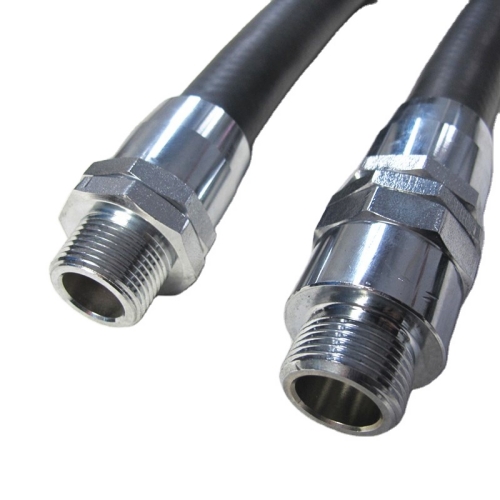
Flexible hydraulic hoses are critical components in fluid power systems, responsible for transmitting hydraulic fluid to actuate machinery across a multitude of industries including construction, agriculture, manufacturing, and automotive. They differ from rigid piping in their ability to accommodate movement, vibration, and misalignment, making them essential where static connections are impractical. These hoses are engineered assemblies comprising an inner tube, reinforcement layers, and an outer cover, each contributing to specific performance characteristics. The selection of the appropriate hose is paramount, directly influencing system efficiency, reliability, and safety. Core performance factors include working pressure, burst pressure, temperature range, fluid compatibility, and bend radius. This guide provides a comprehensive technical overview of flexible hydraulic hoses, encompassing material science, manufacturing processes, performance parameters, failure modes, and relevant industry standards.
Material Science & Manufacturing
The construction of a flexible hydraulic hose relies on a complex interplay of materials. The inner tube, typically composed of synthetic rubbers like nitrile (NBR), ethylene propylene diene monomer (EPDM), or fluorocarbon (FKM – Viton®), provides fluid resistance. NBR is widely used for petroleum-based fluids, EPDM excels with phosphate ester fluids, and FKM offers superior resistance to aggressive chemicals and high temperatures. Reinforcement layers, crucial for withstanding pressure, are commonly constructed from braided steel wire (high tensile strength steel conforming to SAE J517 Grade R8/R9), spiral-wound steel wire, or textile braids (aramid, polyester). The outer cover, typically a synthetic rubber like chloroprene (CR), provides abrasion, ozone, and weathering resistance. Manufacturing processes vary depending on hose type. Braided hoses involve extruding the inner tube, helically winding reinforcement around it, and then applying the outer cover through extrusion. Spiral-wound hoses are manufactured by spirally winding pre-formed steel wire around the inner tube, followed by the application of the outer cover. Key parameter control during manufacturing includes precise temperature regulation during extrusion to ensure uniform material properties, consistent wire tension during reinforcement winding to maintain pressure rating, and adequate curing time and temperature to achieve optimal rubber vulcanization. Improper curing can lead to reduced elasticity and premature failure.
Performance & Engineering
Hydraulic hose performance is governed by a range of engineering considerations. Burst pressure, typically four times the working pressure, is a critical safety factor determined by reinforcement strength and material properties. Fatigue resistance, the ability to withstand cyclic pressure fluctuations, is a key determinant of hose lifespan and is significantly influenced by reinforcement construction and hose bending. Bend radius, the minimum permissible radius without kinking or damaging the hose, impacts flow efficiency and structural integrity. Environmental resistance is crucial, particularly in harsh operating conditions. Factors like temperature extremes, UV exposure, and chemical exposure can degrade the rubber compounds, reducing hose lifespan. Fluid compatibility is also paramount; incompatible fluids can cause swelling, softening, or cracking of the inner tube, leading to leakage and failure. Force analysis dictates the need for adequate hose support and guarding to prevent abrasion and impact damage. Compliance requirements, such as those mandated by SAE, EN, and DIN standards, dictate minimum performance specifications and testing procedures. Hose assemblies must be properly crimped using compatible fittings to ensure a leak-free and structurally sound connection. Improper crimping can lead to premature failure at the fitting interface.
Technical Specifications
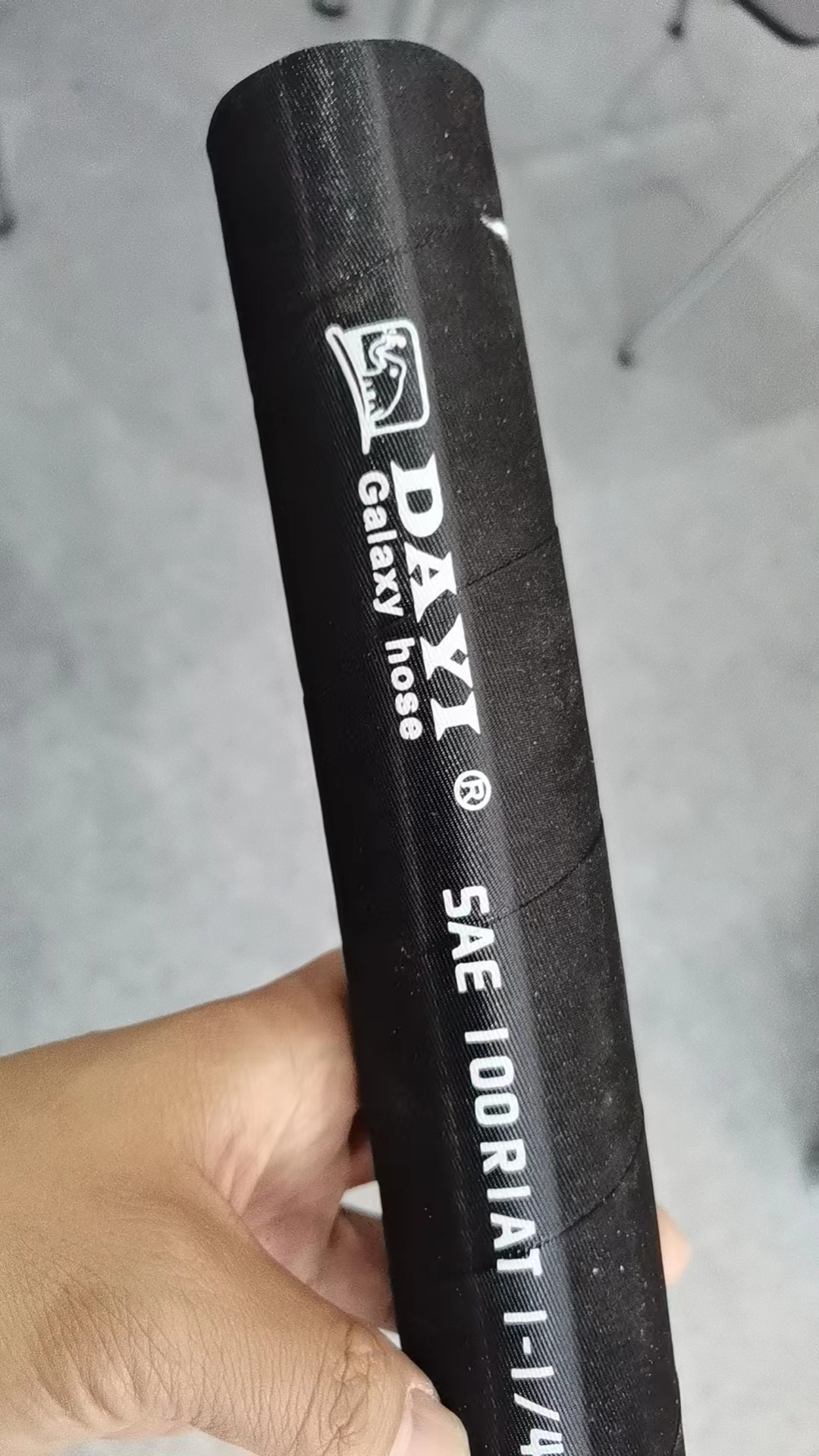
| Parameter | Unit | SAE 100R1 AT | SAE 100R2 AT |
|---|---|---|---|
| Working Pressure | MPa | 20.7 | 17.2 |
| Burst Pressure | MPa | 82.7 | 69.0 |
| Temperature Range | °C | -40 to +100 | -40 to +121 |
| Inner Tube | Material | NBR | NBR |
| Reinforcement | Material | Braided Textile | Braided Wire |
| Outer Cover | Material | CR | CR |
Failure Mode & Maintenance
Flexible hydraulic hoses are susceptible to various failure modes. Fatigue cracking, initiated by repeated pressure cycling and bending, is a common failure mechanism. Abrasion, caused by rubbing against adjacent components or abrasive surfaces, can damage the outer cover, exposing the reinforcement layers. Pinholing, small leaks in the inner tube, can result from fluid incompatibility or internal corrosion. Kinking, caused by exceeding the minimum bend radius, restricts flow and can lead to hose rupture. Blow-out failure occurs when the hose exceeds its working pressure, causing the reinforcement layers to separate. Fitting failure, often resulting from improper crimping or corrosion, can lead to leakage and system failure. Maintenance best practices include regular visual inspections for signs of wear, abrasion, or cracking. Hose assemblies should be replaced if damage is detected. Correct hose routing and support are essential to prevent abrasion and kinking. Fluid cleanliness is critical to prevent internal corrosion and pinholing; regular filter maintenance is recommended. Periodic pressure testing can identify hoses nearing the end of their service life. Proper storage conditions, away from direct sunlight and extreme temperatures, are also crucial for maximizing hose lifespan.
Industry FAQ
Q: What is the impact of impulse pressure on hose lifespan?
A: Impulse pressure, or pressure spikes, significantly reduces hose lifespan. These pressure surges create cyclic stresses exceeding the hose’s rated working pressure, accelerating fatigue failure. Using hoses specifically rated for impulse applications, employing accumulators to dampen pressure spikes, and ensuring proper system damping are crucial mitigation strategies.
Q: How does fluid temperature affect hose performance?
A: Elevated fluid temperatures can degrade the rubber compounds in the inner tube and outer cover, reducing their elasticity and resistance to chemicals. Conversely, low temperatures can cause the rubber to become brittle and more susceptible to cracking. Selecting hoses rated for the operating temperature range and implementing fluid cooling or heating systems when necessary is vital.
Q: What are the advantages of spiral-wound hoses over braided hoses?
A: Spiral-wound hoses generally offer higher pressure ratings and greater flexibility than braided hoses. They are particularly well-suited for high-pressure applications and tight bend radius requirements. However, they tend to be more expensive and can be more susceptible to damage from external abrasion.
Q: What considerations are important when selecting hose fittings?
A: Hose fittings must be compatible with the hose type, fluid being conveyed, and operating pressure. The fitting material should be resistant to corrosion from the fluid. Proper crimping is critical to ensure a leak-free and structurally sound connection. Using fittings from a reputable manufacturer and following recommended crimping procedures are essential.
Q: What is the role of hose guarding in improving safety?
A: Hose guarding provides physical protection against abrasion, impact, and accidental damage, significantly reducing the risk of hose failure and subsequent fluid injection injuries. Guarding is particularly important in applications where hoses are exposed to harsh environments or potential contact with moving machinery.
Conclusion
The selection and maintenance of flexible hydraulic hoses are critical to the safe and efficient operation of hydraulic systems. A thorough understanding of material science, manufacturing processes, performance parameters, and potential failure modes is essential for ensuring optimal hose lifespan and preventing costly downtime. Prioritizing quality components, adhering to industry standards, and implementing proactive maintenance strategies are key to maximizing the reliability and safety of hydraulic hose assemblies.
Looking ahead, advancements in hose materials and manufacturing techniques will continue to drive improvements in performance and durability. The development of self-sealing hoses, improved abrasion-resistant covers, and more accurate crimping technologies are all areas of ongoing innovation. Continuous monitoring of hose condition through sensor integration and predictive maintenance analytics will further enhance system reliability and reduce the risk of unexpected failures.