
Apr . 01, 2024 17:55 Back to list
flexible hydraulic hose factory Performance Engineering
Introduction
Flexible hydraulic hoses are critical components in fluid power systems, facilitating the transmission of hydraulic fluid to actuators and other components. Their design accommodates movement, vibration, and pressure fluctuations within industrial machinery, mobile equipment, and various other applications. Positioned between rigid piping and the hydraulic components themselves, these hoses mitigate stress caused by misalignment and dynamic loads. Core performance characteristics include pressure rating, temperature resistance, fluid compatibility, and bend radius. The industry faces challenges regarding hose longevity, particularly in aggressive operating environments, and the need for increasingly complex hose constructions to meet demanding application requirements. This guide provides a comprehensive technical overview of flexible hydraulic hose, covering material science, manufacturing processes, performance engineering, failure modes, and relevant industry standards.
Material Science & Manufacturing
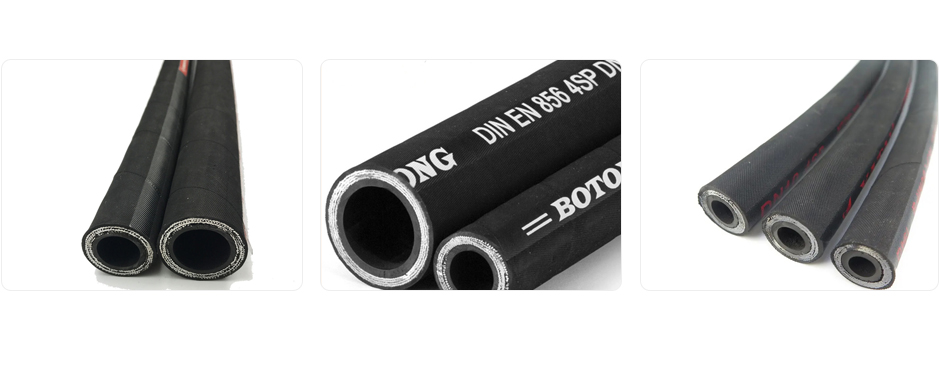
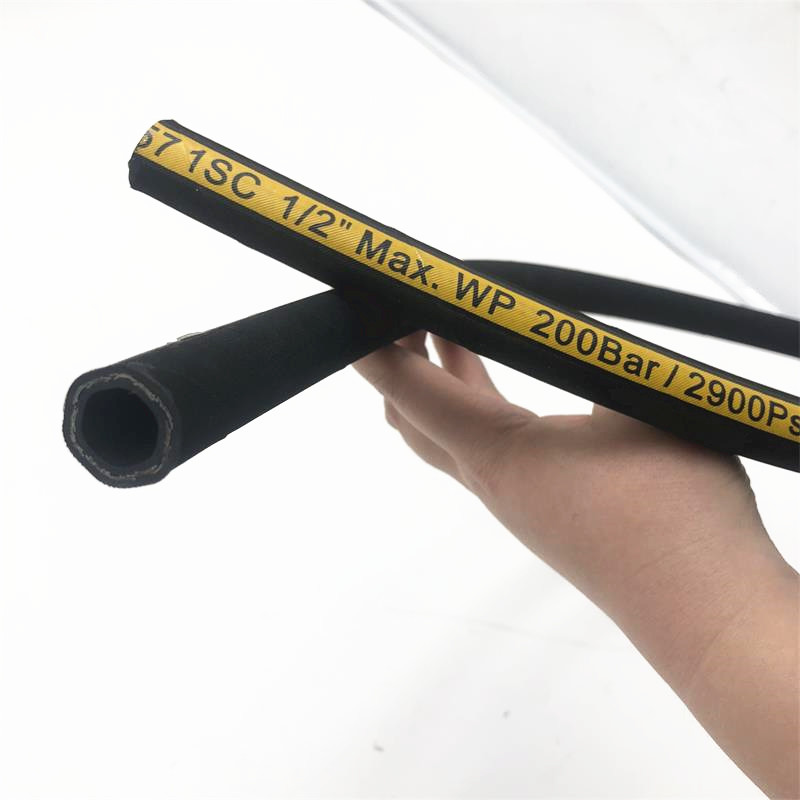
The construction of a flexible hydraulic hose typically involves multiple layers, each contributing to specific performance attributes. The inner tube, which directly contacts the hydraulic fluid, is commonly composed of synthetic rubbers like nitrile (NBR), ethylene propylene diene monomer (EPDM), or fluorocarbon (FKM/Viton) depending on the fluid compatibility requirements. NBR provides excellent resistance to petroleum-based fluids, while EPDM is suitable for phosphate ester-based fluids and high-temperature applications. FKM offers superior chemical resistance and high-temperature performance but at a greater cost. The reinforcement layer is critical for pressure containment and typically utilizes multiple braids or spirals of high-tensile steel wire. The number and configuration of these braids dictate the hose’s pressure rating and flexibility. A cover layer, usually a synthetic rubber like polyurethane, provides abrasion, ozone, and weathering resistance. Manufacturing processes include extrusion for the inner tube and cover, calendaring for reinforcement fabric coating, and braiding/spiral winding of the reinforcement layers. Critical parameters include precise temperature control during extrusion to ensure consistent rubber properties, accurate braid pitch and coverage for pressure integrity, and proper vulcanization (curing) to achieve optimal rubber crosslinking. Post-manufacturing, hoses undergo hydrostatic testing to verify pressure capability and leak tightness. Material selection is paramount; for example, using an incompatible rubber compound with a specific hydraulic fluid can lead to swelling, degradation, and ultimately, hose failure. The steel wire used in reinforcement must meet stringent tensile strength and elongation standards to prevent fatigue cracking.
Performance & Engineering
Hydraulic hose performance is dictated by several engineering considerations. Burst pressure, working pressure, and safety factor are key parameters. Working pressure is typically defined as 50-70% of burst pressure, providing a safety margin to prevent failure under normal operating conditions. Fatigue resistance is crucial in applications involving cyclic pressure and bending. Hose assemblies are subjected to millions of pressure cycles during their service life, and reinforcement materials must withstand repeated stress. Bend radius is another critical parameter; exceeding the minimum bend radius can induce kinking and restrict fluid flow, while a large bend radius can create excessive stress on the hose connections. Environmental resistance, including temperature extremes, ozone exposure, and chemical attack, must also be considered. Finite element analysis (FEA) is frequently used to model hose behavior under various loading conditions, optimizing reinforcement configuration and material selection. Compliance requirements, such as those stipulated by SAE (Society of Automotive Engineers) and EN (European Norm) standards, dictate minimum performance specifications for hydraulic hoses. Proper hose assembly, including correct fitting selection and crimping, is essential for maintaining performance and preventing leaks. Incorrect crimping can lead to fitting slippage or hose rupture. The fluid velocity within the hose also influences performance; high velocities can generate heat and contribute to erosion of the inner tube.
Technical Specifications
| Parameter | Unit | Typical Value (NBR Inner Tube, Steel Wire Reinforcement, Polyurethane Cover) | Testing Standard |
|---|---|---|---|
| Working Pressure | MPa | 20 | SAE J517 |
| Burst Pressure | MPa | 80 | SAE J517 |
| Temperature Range | °C | -40 to +100 | SAE J517 |
| Minimum Bend Radius | mm | 4D (D = Hose Inner Diameter) | Manufacturer Specification |
| Reinforcement Type | - | Two Steel Wire Braids | SAE J517 |
| Fluid Compatibility | - | Petroleum-based Hydraulic Fluids | DIN 73780 |
Failure Mode & Maintenance
Hydraulic hose failure can manifest in several ways. Fatigue cracking of the reinforcement wires, often initiated at crossover points in braided hoses, is a common failure mode, particularly under high-pressure cycling. Abrasion of the cover layer can expose the reinforcement, leading to corrosion and eventual failure. Chemical attack from incompatible fluids can cause swelling, softening, and cracking of the inner tube. Kinking, caused by exceeding the minimum bend radius, can restrict fluid flow and induce localized stress. Fitting corrosion and loosening can result in leaks. Degradation of the rubber materials due to ozone exposure, UV radiation, and high temperatures can also contribute to failure. Proper maintenance is critical for extending hose life. This includes regular visual inspections for signs of abrasion, cracking, or leakage. Hoses should be replaced if damage is detected. Fluid cleanliness is also important; particulate contamination can accelerate wear and damage internal components. Hose assemblies should be routed to minimize bending and abrasion. Furthermore, maintaining proper system pressure within specified limits and utilizing compatible hydraulic fluids are essential preventative measures. Detailed failure analysis, including fractographic examination of failed components, can identify the root cause of failure and inform preventative maintenance strategies. Proper storage of hoses, protected from sunlight and extreme temperatures, is also crucial.
Industry FAQ
Q: What is the impact of impulse pressure on hydraulic hose life?
A: Impulse pressure, or pressure spikes, significantly reduces hydraulic hose life. These rapid pressure fluctuations create dynamic stresses in the hose construction, accelerating fatigue failure of the reinforcement wires. Impulse ratings specify the number of pressure cycles a hose can withstand at a given impulse pressure level. Selecting a hose with an adequate impulse rating for the application is crucial.
Q: How does temperature affect hydraulic hose performance?
A: Temperature extremes can dramatically affect hydraulic hose performance. High temperatures accelerate rubber degradation, reducing flexibility and increasing the risk of cracking. Low temperatures can cause rubber to become brittle and less resistant to impact. Hydraulic fluids also change viscosity with temperature, potentially affecting flow rates and system efficiency. Hose materials should be selected to withstand the expected operating temperature range.
Q: What are the key considerations when selecting fittings for hydraulic hoses?
A: Fitting selection is critical for ensuring a leak-free and reliable connection. Fittings must be compatible with the hose type and fluid being used. Correct crimp specifications are essential for achieving a secure connection. The fitting material should be compatible with both the hose and the fluid to prevent corrosion. Furthermore, the fitting’s pressure rating must meet or exceed the hose’s working pressure.
Q: How important is proper hose assembly, and what are common mistakes to avoid?
A: Proper hose assembly is paramount to ensuring optimal performance and safety. Common mistakes include incorrect crimping procedures, using incompatible fittings, and damaging the hose during assembly. Improperly assembled hoses are prone to leaks, bursts, and premature failure. Utilizing certified hose assembly technicians and following manufacturer’s instructions are essential.
Q: What role do synthetic rubber compounds play in hydraulic hose durability?
A: Synthetic rubber compounds define the hose's chemical resistance, temperature range, and flexibility. NBR offers good oil resistance, EPDM excels in high-temperature and phosphate ester applications, and FKM provides superior chemical and temperature performance. The specific compound must be carefully selected based on the fluid being conveyed and the operating environment. Incorrect compound selection leads to premature degradation and failure.
Conclusion
Flexible hydraulic hoses are indispensable components in fluid power systems, demanding meticulous attention to material science, manufacturing precision, and engineering design. Understanding the interplay between pressure, temperature, fluid compatibility, and fatigue resistance is crucial for selecting and maintaining hoses that deliver reliable performance and longevity. The selection process requires a thorough evaluation of application-specific requirements, considering factors such as operating conditions, fluid type, and potential failure modes.
Future trends in hydraulic hose technology will likely focus on developing materials with enhanced durability, chemical resistance, and temperature stability. Smart hoses with integrated sensors for pressure monitoring and leak detection are also emerging. Furthermore, advancements in manufacturing processes, such as automated braiding and non-destructive testing, will contribute to improved quality control and reliability. Adherence to stringent industry standards and best practices remains paramount for ensuring the safe and efficient operation of hydraulic systems.