
Apr . 01, 2024 17:55 Back to list
flexible high pressure rubber hydraulic hose Manufacturing Specification and Performance Analysis
Introduction
Flexible high pressure rubber hydraulic hose is a critical component in hydraulic systems across a broad spectrum of industries including construction, agriculture, manufacturing, and aerospace. Functionally, it transmits hydraulic fluid to power pneumatic or hydraulic machinery. Positioned within the fluid power chain, it connects components like pumps, valves, and actuators. Core performance characteristics are defined by its pressure rating, temperature range, fluid compatibility, and burst strength. A key industry pain point lies in ensuring consistent performance under cyclical pressure, preventing premature failure due to hose degradation, and maintaining compatibility with increasingly complex hydraulic fluids. The correct selection and maintenance of these hoses are paramount to system reliability and operator safety, mitigating costly downtime and potential hazards.
Material Science & Manufacturing
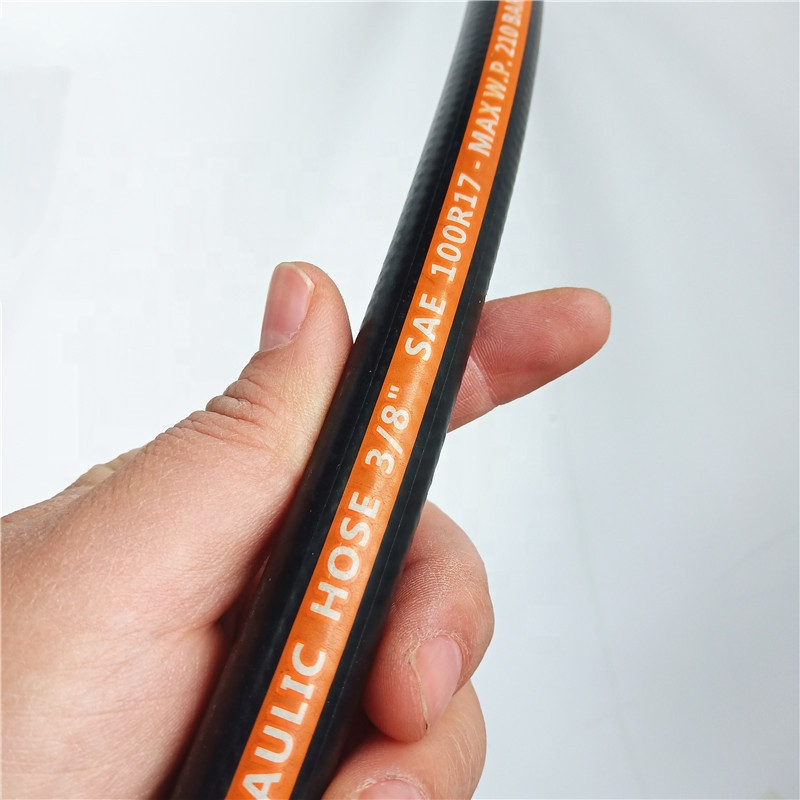
The construction of a flexible high pressure rubber hydraulic hose typically involves multiple layers designed for specific functions. The inner tube, crucial for fluid compatibility, is commonly composed of synthetic rubbers like nitrile (NBR), chloroprene (CR), or ethylene propylene diene monomer (EPDM), selected based on the fluid being conveyed. NBR provides excellent resistance to petroleum-based oils, while EPDM excels with phosphate ester fluids. The reinforcement layer, providing burst strength, is typically constructed from multiple high-tensile steel wire braids or spirals. The number of layers directly correlates to the pressure rating. A rubber cover provides environmental protection against abrasion, ozone, and UV exposure. Manufacturing processes begin with extrusion of the inner tube, followed by precise winding of the reinforcement layers. The cover is then extruded over the reinforcement, and the hose is cured using vulcanization. Critical parameters during vulcanization include temperature, pressure, and time, which dictate the final cross-linking density of the rubber compounds, directly influencing its physical properties and long-term durability. Proper control of the rubber compound’s Mooney viscosity and scorch time during mixing is also crucial for consistent extrusion and curing. Adhesion between layers is vital and achieved through specific surface treatments and adhesive bonding agents applied during manufacturing.
Performance & Engineering
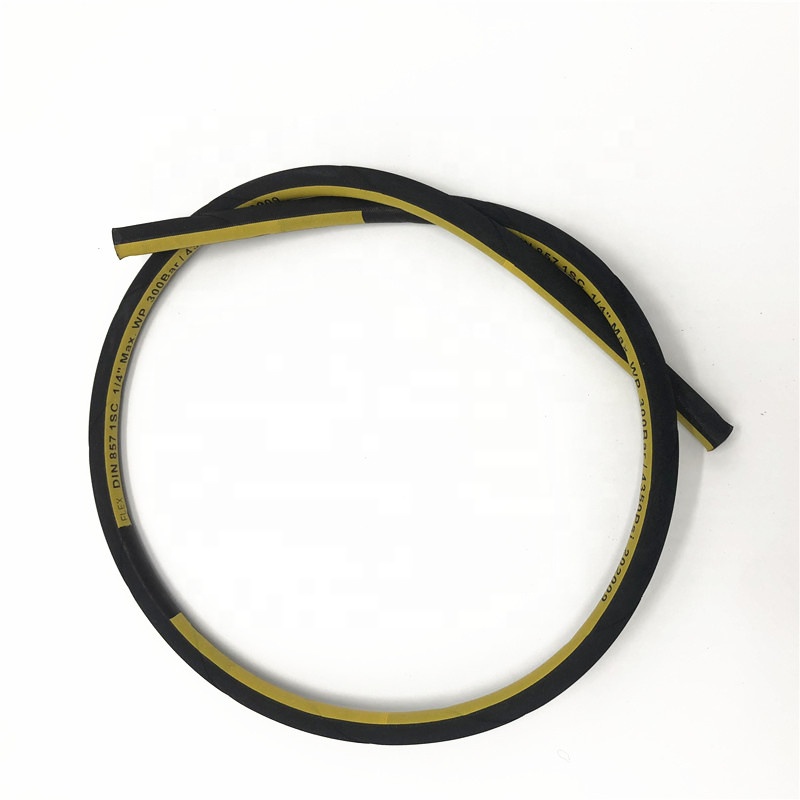
The performance of a flexible high pressure rubber hydraulic hose is governed by several engineering principles. Force analysis considers hoop stress within the hose wall due to internal pressure; higher pressures necessitate more reinforcement layers to prevent catastrophic failure. Fatigue analysis is critical, as hoses are subjected to cyclical pressure loading during operation. Finite Element Analysis (FEA) is frequently used to model stress distribution and predict fatigue life. Environmental resistance requires consideration of operating temperature ranges. Extreme temperatures can degrade rubber compounds, leading to loss of flexibility and increased susceptibility to cracking. Fluid compatibility is paramount; incompatible fluids can cause swelling, softening, or chemical degradation of the inner tube. Compliance requirements, such as those defined by SAE standards (see footer), dictate testing protocols for pressure testing, impulse testing, and temperature cycling. The hose bend radius is another crucial parameter – exceeding the minimum bend radius can induce stress concentration and lead to premature failure. Proper fitting selection and installation are vital, ensuring a secure seal and minimizing stress on the hose ends. The hose’s flexibility is often characterized by its bend radius to diameter ratio, and a lower ratio indicates greater flexibility.
Technical Specifications
| Parameter | Unit | Typical Value (EN 853 1SN Hose) | Typical Value (SAE 100R2AT Hose) |
|---|---|---|---|
| Working Pressure | MPa | 31.5 | 31.5 |
| Burst Pressure | MPa | 105 | 105 |
| Temperature Range | °C | -40 to +100 | -40 to +100 |
| Inner Tube Material | - | NBR | Synthetic Rubber |
| Reinforcement | Layers | 1 Spiral Steel Wire | 2 Steel Wire Braids |
| Cover Material | - | Synthetic Rubber | Synthetic Rubber |
Failure Mode & Maintenance
Common failure modes in flexible high pressure rubber hydraulic hoses include burst failure due to exceeding pressure limits, fatigue cracking from cyclical loading, and abrasion or erosion of the cover. Hose degradation can also occur due to chemical attack from incompatible fluids, resulting in swelling or softening of the rubber. Twisting of the hose during installation or operation introduces stress concentrations and accelerates fatigue. Kinking sharply reduces flow and can lead to internal damage. Failure analysis often reveals cracks initiating at fitting connections or at points of high stress concentration. Preventative maintenance is crucial. Regular visual inspections should be conducted to check for signs of abrasion, cracking, or swelling. Hose connections should be inspected for leaks and proper tightness. The hose should be replaced at recommended intervals, even if no visible damage is present, as rubber compounds degrade over time. Proper storage in a cool, dry place, away from direct sunlight and ozone sources, is essential to extend hose life. When disconnecting hoses, residual pressure must be relieved to avoid injury and potential hose rupture. Always use properly sized and rated fittings. Avoid sharp bends and ensure sufficient clearance to prevent abrasion.
Industry FAQ
Q: What is the impact of impulse pressure on hose life?
A: Impulse pressure, or pressure spikes, significantly reduce hose life. These spikes create dynamic stresses exceeding the static working pressure, accelerating fatigue failure. Selecting a hose with a higher impulse rating, and utilizing accumulators to dampen pressure surges, are crucial mitigation strategies.
Q: How do different hydraulic fluids affect hose compatibility?
A: Different fluids require different inner tube materials. Petroleum-based oils are generally compatible with NBR, while phosphate ester fluids require EPDM. Using an incompatible fluid can cause the inner tube to swell, soften, or degrade, leading to leaks and failure. Consult fluid compatibility charts before selecting a hose.
Q: What is the proper procedure for installing hose fittings?
A: Proper fitting installation is critical. Fittings should be clean and free of burrs. Apply a lubricant specifically designed for hydraulic systems to the fitting threads. Tighten the fitting to the manufacturer’s specified torque to ensure a secure seal without overstressing the hose. Avoid using excessive force.
Q: What are the key differences between braided and spiral reinforced hoses?
A: Braided hoses offer excellent flexibility and are suitable for applications with moderate pressure requirements. Spiral reinforced hoses provide higher burst pressures and are more resistant to kinking, but generally have a larger bend radius. The choice depends on the specific application demands.
Q: How does temperature affect the performance of a hydraulic hose?
A: Extreme temperatures can degrade the rubber compounds, reducing flexibility and increasing the risk of cracking. High temperatures accelerate oxidation, while low temperatures can make the hose brittle. Always operate the hose within its specified temperature range.
Conclusion
Flexible high pressure rubber hydraulic hose remains an indispensable component in countless hydraulic systems. Understanding the intricate interplay between material science, manufacturing processes, and performance engineering is crucial for ensuring reliable operation and preventing costly failures. Selection must be based on a comprehensive assessment of application-specific requirements, including pressure, temperature, fluid compatibility, and environmental conditions.
Future trends point towards the development of more advanced rubber compounds with enhanced chemical resistance and temperature stability, as well as the integration of smart technologies for real-time monitoring of hose condition. Proactive maintenance practices, combined with a thorough understanding of potential failure modes, will continue to be paramount in maximizing hose lifespan and minimizing downtime across all industries.