
Apr . 01, 2024 17:55 Back to list
flexible high pressure rubber hydraulic hose manufacturer Manufacturing Specifications and Performance Analysis

Introduction
Flexible high-pressure rubber hydraulic hoses are critical components in fluid power systems, serving as the conduit for transmitting hydraulic fluid to actuators and other components. Their technical position within the industry chain lies between hydraulic pump/valve manufacturing and the final equipment assembly (construction, agricultural, material handling, etc.). Core performance characteristics are defined by pressure rating, burst pressure, temperature range, fluid compatibility, and bend radius. Unlike rigid metal tubing, these hoses offer flexibility, absorbing vibration and accommodating relative motion between hydraulic power units and their application points. A key industry pain point is maintaining consistent performance under demanding cyclical pressures and varying environmental conditions, often leading to premature failure and costly downtime. Modern hose construction prioritizes minimizing fluid permeation, maximizing resistance to abrasion, and ensuring long-term dimensional stability, addressing these critical needs.
Material Science & Manufacturing
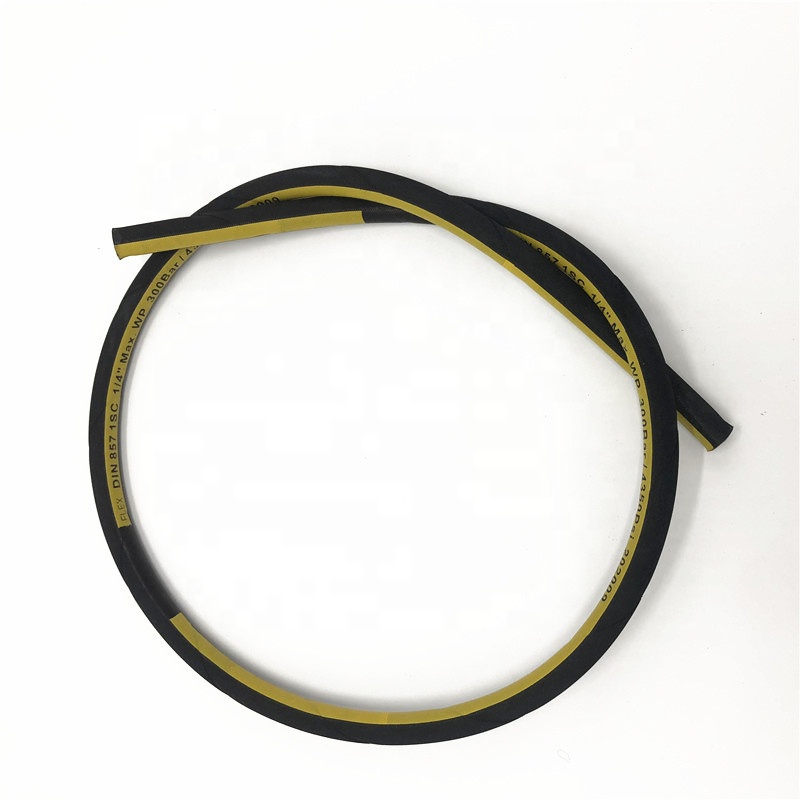
The construction of flexible high-pressure rubber hydraulic hoses involves a layered composite design. The innermost layer, the tube, is typically constructed from a specialized synthetic rubber compound – often a blend of nitrile rubber (NBR), ethylene propylene diene monomer (EPDM), or fluorocarbon rubber (FKM/Viton) – chosen for compatibility with the hydraulic fluid being conveyed (mineral oil, synthetic fluids, phosphate esters). NBR offers good resistance to petroleum-based fluids, while EPDM excels in high-temperature applications and compatibility with certain fluids. FKM provides superior resistance to high temperatures and aggressive fluids but at a higher cost. The reinforcement layer, responsible for pressure containment, commonly consists of multiple braids of high-tensile steel wire. The number of braids directly correlates to the hose’s pressure rating; single-braid hoses handle moderate pressures, while multi-braid configurations (2, 4, or 6) accommodate extremely high pressures. An adhesion layer ensures robust bonding between the tube and reinforcement. The outer cover, providing environmental protection, is usually a synthetic rubber blend – often chloroprene (CR) or polyurethane (PU) – offering resistance to abrasion, oil, ozone, and weathering. Manufacturing processes include extrusion for the tube and cover, followed by precise winding and braiding of the reinforcement layers. Critical parameters include maintaining precise rubber compound formulations, consistent braid density, and adequate vulcanization (curing) of the rubber layers to achieve optimal mechanical properties. Quality control involves rigorous pressure testing, impulse testing, and dimensional checks at each stage.
Performance & Engineering
Hydraulic hose performance is governed by several key engineering principles. Burst pressure, typically four times the working pressure, represents the maximum pressure the hose can withstand before failure. Impulse pressure, the cyclical pressure fluctuations inherent in hydraulic systems, presents a significant challenge. Repeated pressure spikes cause fatigue in the hose reinforcement, potentially leading to failure. Hose manufacturers employ impulse testing to simulate these conditions and validate hose durability. Bend radius is another critical parameter; exceeding the minimum bend radius induces stress concentrations in the hose wall, reducing its service life. Finite element analysis (FEA) is frequently used to optimize hose geometry and reinforcement configuration to minimize stress. Environmental resistance is crucial, particularly in outdoor applications. Ozone degradation, UV exposure, and extreme temperatures can compromise the rubber compounds, reducing their elasticity and strength. Fluid compatibility dictates the selection of appropriate rubber compounds to prevent swelling, softening, or cracking. Compliance requirements vary by region and application. For example, SAE J517 specifies performance standards for hydraulic hoses in North America, while EN 853 and EN 857 define European standards. Considerations must also be given to electrostatic discharge (ESD) in certain applications, especially when conveying flammable fluids.
Technical Specifications
| Parameter | Unit | Typical Value (1-inch Hose) | Standard Reference |
|---|---|---|---|
| Working Pressure | psi | 3000-5000 | SAE J517 |
| Burst Pressure | psi | 12000-20000 | SAE J517 |
| Temperature Range | °F | -40 to +212 | SAE J517 |
| Minimum Bend Radius | inches | 6-12 | Manufacturer Specification |
| Reinforcement Type | - | 4SP (Spiral, 4 braids) | SAE J517 |
| Tube Material | - | NBR (Nitrile Rubber) | Manufacturer Specification |
Failure Mode & Maintenance
Common failure modes in high-pressure hydraulic hoses include burst failure due to exceeding pressure limits, fatigue cracking from repeated impulse pressures, pinhole leaks resulting from abrasion or damage to the tube, and fitting failures caused by improper installation or corrosion. Delamination, the separation of the rubber layers, often indicates a compromised bonding process during manufacturing or degradation due to prolonged exposure to harsh environments. Oxidation of the rubber compounds leads to hardening and cracking, reducing flexibility and increasing susceptibility to failure. Failure analysis typically involves visual inspection for cracks, bulges, or leaks; pressure testing to identify weaknesses; and microscopic examination of fractured surfaces to determine the root cause. Preventative maintenance is crucial. Regular visual inspections should be conducted to identify signs of damage. Hoses should be replaced at recommended intervals, even if no visible defects are present. Proper hose routing and support are essential to prevent abrasion and kinking. Fittings should be properly tightened and protected from corrosion. Avoid exceeding the hose's maximum working pressure and temperature limits. Proper storage conditions – cool, dry, and protected from sunlight – can extend hose service life. Using appropriate guard sleeves can shield hoses from abrasion and impact damage.
Industry FAQ
Q: What is the difference between a spiral-wound hose and a braided hose?
A: Spiral-wound hoses utilize a single, continuously wound wire helix for reinforcement, offering high flexibility and resistance to kinking. Braided hoses employ multiple braids of wire, providing higher pressure ratings and greater rigidity. The choice depends on the application's pressure requirements and bend radius constraints.
Q: How does temperature affect hydraulic hose performance?
A: Extreme temperatures can significantly impact hose performance. High temperatures accelerate rubber degradation, reducing elasticity and strength. Low temperatures can cause rubber to become brittle and crack. Operating outside the hose's specified temperature range can lead to premature failure.
Q: What is the importance of proper fitting selection and installation?
A: Improperly selected or installed fittings are a common cause of hose failure. Fittings must be compatible with the hose and fluid being conveyed. Overtightening can damage the hose end, while undertightening can lead to leaks. Correct torque specifications must be followed.
Q: Can hydraulic hose be repaired?
A: Generally, repairing a damaged hydraulic hose is not recommended. The integrity of the reinforcement layer may be compromised, making the hose susceptible to catastrophic failure. Replacement is the safest and most reliable option. Field repairs should only be performed by trained professionals using approved repair kits and procedures.
Q: What are the key considerations when selecting a hose for a specific hydraulic fluid?
A: Fluid compatibility is paramount. The hose tube material must be resistant to swelling, softening, or cracking when exposed to the specific hydraulic fluid. Refer to the hose manufacturer's chemical compatibility chart to ensure proper material selection. The fluid's viscosity and temperature also influence hose performance.
Conclusion
Flexible high-pressure rubber hydraulic hoses are essential components in a wide range of industrial applications. Their reliable performance relies on a complex interplay of material science, precise manufacturing processes, and diligent maintenance practices. Understanding the factors that influence hose failure – including pressure, temperature, fluid compatibility, and environmental conditions – is crucial for ensuring system safety and minimizing downtime.
Advancements in rubber compound technology and reinforcement materials continue to push the boundaries of hose performance, offering increased pressure ratings, improved durability, and extended service life. Adherence to industry standards (SAE, EN) and best practices in hose selection, installation, and maintenance remains fundamental to maximizing the return on investment and ensuring the long-term integrity of hydraulic systems.