
Apr . 01, 2024 17:55 Back to list
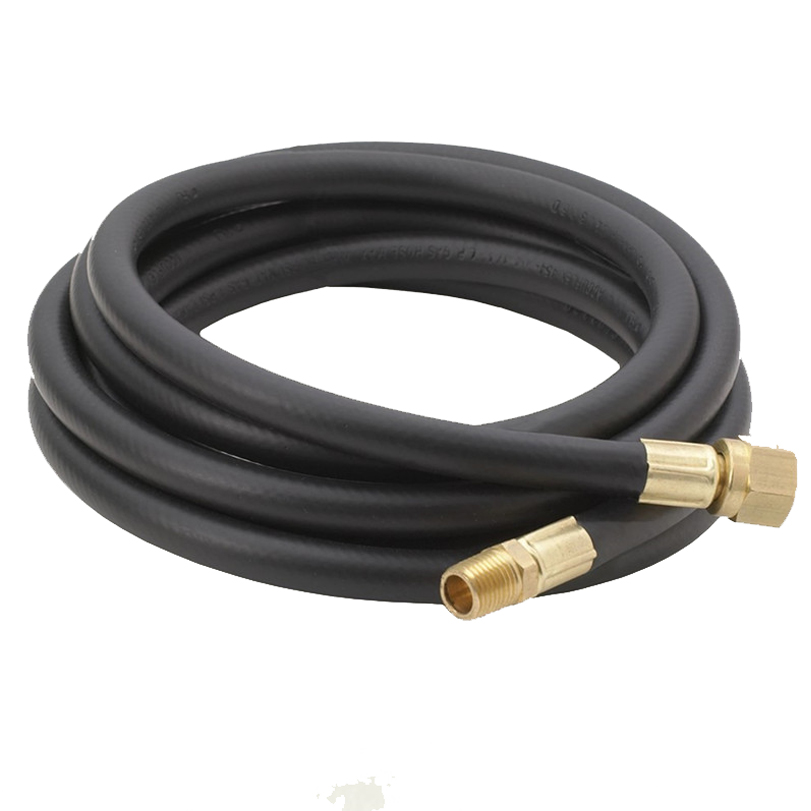
flexible high pressure rubber hydraulic hose factory Performance Analysis
Introduction
Flexible high-pressure rubber hydraulic hoses are critical components in fluid power systems, transmitting hydraulic fluid to actuators and machinery. These hoses are engineered to withstand significant pressures, temperatures, and environmental conditions, serving a wide array of industries including construction, agriculture, manufacturing, oil & gas, and material handling. Their core function is to deliver a reliable, leak-free pathway for hydraulic power, directly impacting system efficiency, safety, and operational longevity. Unlike rigid metal tubing, flexible hoses accommodate movement, vibration, and misalignment, reducing stress on connections and overall system components. This guide provides a comprehensive technical overview, covering material science, manufacturing processes, performance characteristics, failure modes, and relevant industry standards pertaining to flexible high-pressure rubber hydraulic hoses.
Material Science & Manufacturing
The construction of a high-pressure hydraulic hose involves multiple layers, each contributing to specific performance attributes. The innermost layer, the tube, is typically composed of synthetic rubber compounds such as nitrile (NBR), chloroprene (CR, Neoprene), or ethylene propylene diene monomer (EPDM). NBR offers excellent resistance to petroleum-based fluids, while CR provides good weather and ozone resistance. EPDM exhibits superior heat and chemical resistance, often utilized in specialized applications. The reinforcement layer is crucial for pressure resistance, utilizing multiple plies of high-tensile steel wire, often spirally wound. The number of layers directly correlates with the hose’s working pressure capacity. A fiber braid (typically polyester or rayon) is often included between the tube and the wire reinforcement for enhanced adhesion and flexibility. Finally, the cover layer, generally composed of abrasion and weather-resistant synthetic rubber (typically CR or polyurethane), protects the reinforcement from external damage.
Manufacturing begins with the extrusion of the inner tube, followed by precise winding of the steel wire reinforcement. Maintaining consistent tension and helix angle during winding is critical to ensure uniform pressure distribution and prevent localized stress concentrations. The fiber braid is then applied, followed by extrusion of the cover layer. Vulcanization, a chemical process involving cross-linking rubber polymers with sulfur or peroxides, is paramount. Precise temperature and duration control during vulcanization optimizes the rubber's mechanical properties, including tensile strength, elongation, and resistance to degradation. Quality control involves hydrostatic testing, where each hose is subjected to a pressure significantly exceeding its working pressure to verify leak tightness and structural integrity. End fitting attachment, often through crimping, demands precise tooling and calibration to create a robust, leak-free connection. Improper crimping can lead to premature failure.

Performance & Engineering
The performance of a hydraulic hose is defined by several key parameters. Working pressure is the maximum sustained pressure the hose can safely handle during operation. Burst pressure, typically 4:1 ratio of the working pressure, represents the point of catastrophic failure. Temperature range dictates the operating limits, as both high and low temperatures can compromise the rubber's elasticity and strength. Hose bend radius is crucial to prevent kinking and excessive stress. Exceeding the minimum bend radius can damage the reinforcement layers and lead to premature failure. Impulse pressure, representing pressure pulsations, requires the hose to exhibit fatigue resistance. Chemical compatibility is vital; the hose material must resist degradation when exposed to the hydraulic fluid.
Engineering considerations involve force analysis to determine stress distribution within the hose layers under various loading conditions. Finite Element Analysis (FEA) is frequently used to model hose behavior and optimize reinforcement design. Environmental resistance is paramount, particularly in outdoor applications where exposure to UV radiation, ozone, and abrasion is prevalent. Compliance with industry standards, such as SAE J517 and EN 853, ensures safety and interoperability. The hose must meet specific requirements related to pressure testing, burst pressure, and temperature resistance. Selection of appropriate end fittings is also critical; mismatches can lead to leakage or catastrophic failure.
Technical Specifications
| Parameter | Unit | SAE 100R2AT | SAE 100R6A |
|---|---|---|---|
| Working Pressure | MPa | 20.7 | 21.0 |
| Burst Pressure | MPa | 82.7 | 84.0 |
| Temperature Range | °C | -40 to +100 | -40 to +100 |
| Reinforcement | - | Two steel wire braids | Four steel wire spirals |
| Tube Material | - | Synthetic Rubber (NBR) | Synthetic Rubber (NBR) |
| Cover Material | - | Synthetic Rubber (CR) | Synthetic Rubber (CR) |
Failure Mode & Maintenance
Common failure modes in hydraulic hoses include burst failure due to exceeding the working pressure, pinhole leaks caused by internal abrasion or corrosion, and end fitting failures resulting from improper crimping or material fatigue. Fatigue cracking, initiated by repeated bending and pressure pulsations, progressively weakens the reinforcement layers. Delamination, the separation of layers, often occurs due to inadequate adhesion or exposure to harsh chemicals. Oxidation of the rubber compounds can lead to embrittlement and loss of elasticity. Abrasion from external contact can compromise the cover layer, exposing the reinforcement to corrosion.
Preventative maintenance is crucial. Regular visual inspections should be conducted to identify signs of wear, damage, or leaks. Hoses should be replaced based on a predetermined schedule or when any signs of deterioration are observed. Proper routing and support are essential to prevent excessive bending and abrasion. Ensure that hoses are adequately protected from exposure to extreme temperatures, chemicals, and UV radiation. When replacing end fittings, use only approved tooling and follow the manufacturer's instructions precisely. Regularly check crimp connections for tightness and integrity. Hydraulic fluid should be maintained at the correct viscosity and cleanliness level to minimize internal abrasion.
Industry FAQ
Q: What is the impact of hydraulic fluid type on hose life?
A: Hydraulic fluid compatibility is paramount. Using a fluid incompatible with the hose tube material will lead to swelling, softening, or degradation of the rubber, significantly reducing hose life and potentially causing catastrophic failure. Always verify fluid compatibility with the hose manufacturer’s specifications.
Q: How does hose length affect pressure capacity?
A: Longer hoses generally have lower pressure ratings than shorter hoses of the same specification. This is due to increased frictional losses and greater susceptibility to vibration and impulse pressures. It's essential to select a hose length appropriate for the application and pressure requirements.
Q: What are the advantages of spiral-reinforced hoses over braided hoses?
A: Spiral-reinforced hoses typically offer higher pressure ratings and greater flexibility compared to braided hoses. The spiral construction provides superior resistance to kinking and impulse pressures. However, they are generally more expensive.
Q: What are the best practices for storing hydraulic hoses?
A: Hydraulic hoses should be stored in a cool, dry, and dark environment, away from direct sunlight, ozone sources, and extreme temperatures. They should be coiled loosely to avoid kinking and stored in a manner that prevents compression or distortion.
Q: What is the significance of hose markings and how should they be interpreted?
A: Hose markings provide critical information about the hose's specifications, including manufacturer, hose type, working pressure, burst pressure, temperature range, and date of manufacture. These markings are essential for proper selection, installation, and maintenance.
Conclusion
Flexible high-pressure rubber hydraulic hoses are engineered systems demanding precise material selection, manufacturing control, and diligent maintenance. Understanding the interplay between material properties, reinforcement design, and operational parameters is crucial for ensuring safe and reliable performance. Selecting the appropriate hose for a specific application involves careful consideration of working pressure, temperature, fluid compatibility, and environmental factors.
Moving forward, advancements in rubber compound technology and reinforcement materials will continue to drive improvements in hose performance, durability, and safety. Increased emphasis on predictive maintenance, utilizing sensor technology to monitor hose condition, will further enhance operational efficiency and minimize downtime. Adherence to rigorous industry standards and best practices remains paramount for ensuring the longevity and reliability of these critical hydraulic system components.