
Apr . 01, 2024 17:55 Back to list
flexible high pressure hydraulic hose Performance Analysis
Introduction
Flexible high pressure hydraulic hose is a critical component in fluid power systems, facilitating the transmission of hydraulic fluid to actuators and other components. Positioned downstream from pumps and valves, and upstream of cylinders and motors, these hoses must reliably withstand extreme pressures, temperatures, and often, harsh operating environments. They represent a specialized segment within the broader industrial hose market, distinguished by their reinforced construction designed to maintain integrity under cyclic pressure and mechanical stress. Core performance characteristics include pressure rating, burst pressure, temperature range, fluid compatibility, and kink radius. A primary industry pain point is premature hose failure due to improper specification, installation, or maintenance, leading to costly downtime and potential safety hazards. This guide provides a comprehensive technical overview of flexible high pressure hydraulic hose, covering material science, manufacturing processes, performance characteristics, failure modes, and industry standards.
Material Science & Manufacturing
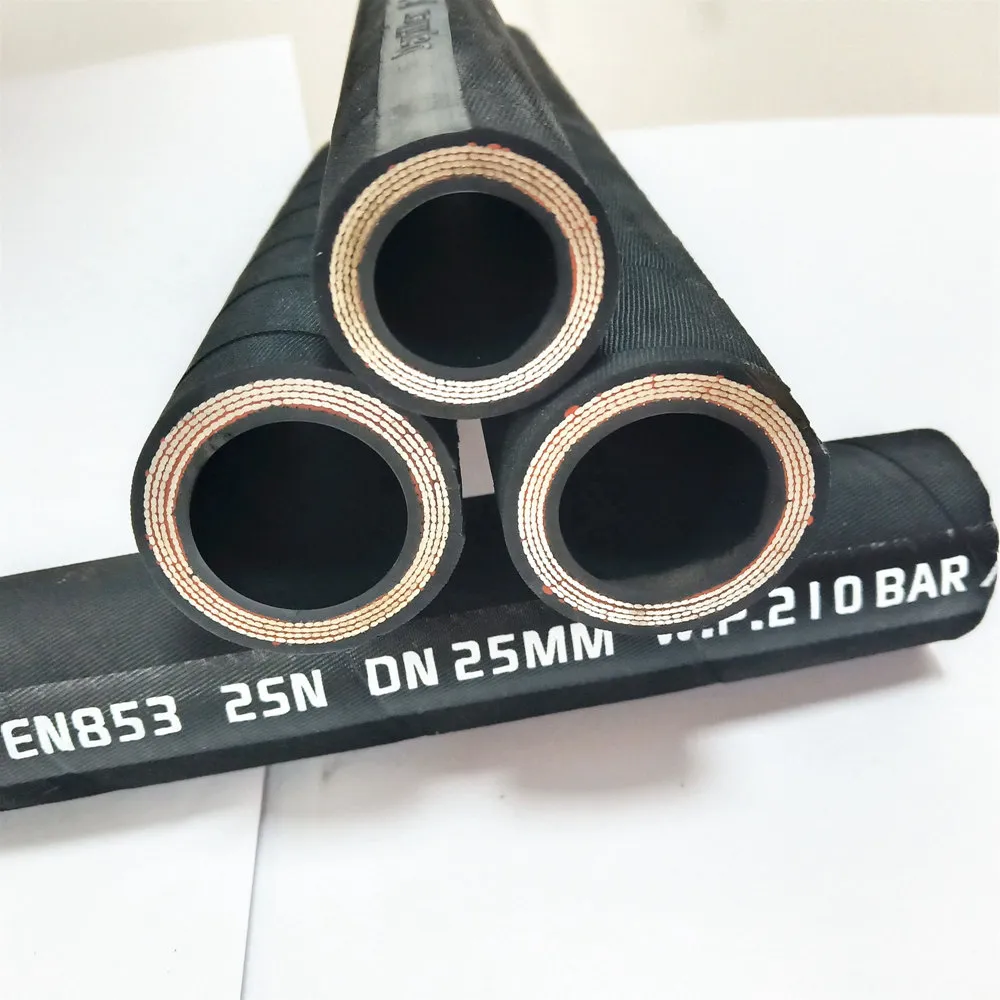
The construction of flexible high pressure hydraulic hose typically involves multiple layers, each serving a specific function. The innermost layer, or tube, is commonly composed of synthetic rubber compounds such as nitrile (NBR), chloroprene (CR), or ethylene propylene diene monomer (EPDM), selected for their compatibility with the intended hydraulic fluid. NBR offers excellent resistance to petroleum-based fluids, CR provides good resistance to ozone and weathering, and EPDM excels in phosphate ester fluid compatibility. The reinforcement layer is critical for pressure containment and is usually constructed from multiple plies of high-tensile strength steel wire, spirally wound or braided. The wire gauge and ply count directly correlate to the hose’s pressure rating. A protective outer cover, often made of abrasion-resistant synthetic rubber (like polyurethane), shields the reinforcement from environmental damage and provides a durable exterior. Manufacturing processes vary based on hose type. Braided hoses undergo a process of wire braiding, carefully controlling wire tension and helix angle to ensure uniform reinforcement. Spiraled hoses involve winding pre-formed steel wire helices onto a mandrel, followed by vulcanization. Key parameters monitored during manufacturing include rubber compound viscosity, wire tension, vulcanization temperature and time, and dimensional accuracy. Post-production testing, including hydrostatic pressure testing to several times the working pressure, is crucial for quality control. Material degradation analysis, including tests for elasticity and tensile strength, is performed on raw materials before production begins.
Performance & Engineering
Hydraulic hose performance is governed by several engineering principles. Hose pressure rating, expressed in PSI or Bar, is determined by the tensile strength of the reinforcement layers and the burst pressure is typically four times the working pressure. Fatigue life, the number of pressure cycles the hose can withstand before failure, is a critical parameter, especially in applications with frequent actuation. Flexibility, measured by bend radius, dictates the hose’s ability to navigate tight spaces without kinking or compromising flow. Force analysis considers internal pressure generating hoop stress on the hose tube and longitudinal stress on the reinforcement. External mechanical loads, such as bending and twisting, introduce additional stresses. Environmental resistance encompasses temperature effects (both high and low), exposure to ozone, UV radiation, and chemical attack. Compliance requirements vary by region and industry. For example, SAE J517 standardizes pressure ratings and performance specifications in North America, while EN 856 defines standards in Europe. Proper hose assembly, using correctly sized fittings and crimping procedures, is essential for maintaining performance and preventing leaks. Incorrect crimping can lead to localized stress concentrations and premature failure. Hose guard protection is often required in applications where abrasion or impact is a concern. The choice of hose end fittings (e.g., flared, threaded, crimped) influences the overall system performance and reliability.
Technical Specifications
| Parameter | Unit | SAE J517 100R2AT | EN 856 4SH |
|---|---|---|---|
| Working Pressure | PSI | 2250 | 210 |
| Burst Pressure | PSI | 6750 | 630 |
| Temperature Range | °F | -40 to 212 | -40 to 100 |
| Tube Material | - | Synthetic Rubber (NBR) | Synthetic Rubber (NBR) |
| Reinforcement | - | Two Steel Wire Braids | Four Steel Wire Spirals |
| Cover Material | - | Synthetic Rubber (CRM) | Synthetic Rubber (CRM) |
Failure Mode & Maintenance
Common failure modes in flexible high pressure hydraulic hose include burst failure due to exceeding pressure limits, pinhole leaks resulting from abrasion or fatigue cracking, and end connection failures caused by improper crimping or corrosion. Fatigue cracking initiates from stress concentrations, often near fittings or areas of bending. Delamination, the separation of reinforcement layers, weakens the hose and can lead to catastrophic failure. External damage, such as cuts and abrasions, compromises the cover and exposes the reinforcement to corrosion. Internal degradation, caused by fluid incompatibility or contamination, can soften the tube and reduce its pressure-holding capacity. Oxidation of the rubber compounds results in loss of elasticity and cracking. Maintenance procedures include regular visual inspections for signs of damage, checking for leaks, and verifying proper hose routing to avoid excessive bending or twisting. Hose assemblies should be replaced at predetermined intervals, based on operating conditions and manufacturer recommendations. Proper storage, away from direct sunlight, ozone sources, and extreme temperatures, extends hose service life. When replacing hoses, ensure compatibility with the hydraulic fluid and use correctly specified fittings and crimping equipment. Avoid twisting hoses during installation and ensure adequate support to prevent sagging and abrasion.
Industry FAQ
Q: What is the impact of hose layline markings on traceability and warranty validation?
A: Layline markings, permanently embossed on the hose cover, provide crucial traceability information, including manufacturer identification, hose type, production date, and pressure rating. These markings are essential for warranty validation, allowing manufacturers to verify that the hose is genuine and meets specified standards. They also facilitate investigation in the event of a failure, enabling identification of potential manufacturing defects or material inconsistencies.
Q: How does hose bending affect its lifespan, and what are the recommended minimum bend radii?
A: Excessive or repeated bending significantly reduces hose lifespan by inducing fatigue stress in the reinforcement layers and potentially causing cracking. The minimum bend radius, specified by the manufacturer, is the smallest radius the hose should be bent to without compromising its structural integrity. Bending below this radius creates stress concentrations and accelerates wear. Correct hose routing and support are vital for minimizing bending stresses.
Q: What is the role of hose guards in protecting against abrasion and impact?
A: Hose guards, typically made of spiral-wound plastic or metal sleeving, provide a protective barrier against abrasion, impact, and environmental damage. They are particularly important in applications where hoses are exposed to harsh conditions, such as construction equipment or industrial machinery. Hose guards extend hose lifespan and prevent premature failures caused by external forces.
Q: How does fluid compatibility impact hose selection, and what resources are available for verifying compatibility?
A: Fluid compatibility is paramount in hose selection. Using a hose with an incompatible fluid can cause the tube material to swell, soften, or degrade, leading to leaks and premature failure. Manufacturers provide compatibility charts outlining the suitability of different hose materials for various hydraulic fluids. Consulting these charts or contacting the hose manufacturer for specific recommendations is crucial.
Q: What are the key differences between spiral and braided hose construction and their respective applications?
A: Braided hoses, with multiple layers of interwoven steel wire, offer excellent flexibility and are well-suited for applications requiring frequent bending and tight routing. Spiral hoses, featuring a single helix of high-tensile wire, provide higher pressure ratings and superior burst strength. Spiral hoses are often preferred in heavy-duty applications, such as construction equipment and agricultural machinery, while braided hoses are commonly used in mobile hydraulics and industrial systems.
Conclusion
Flexible high pressure hydraulic hose represents a critical enabling technology within a wide range of industrial applications. Selecting the appropriate hose for a given application requires a thorough understanding of material properties, manufacturing processes, performance characteristics, and potential failure modes. Proper installation, maintenance, and adherence to industry standards are essential for maximizing hose lifespan and ensuring system reliability. The continued development of advanced materials and manufacturing techniques will drive improvements in hose performance, durability, and safety.
Moving forward, a greater emphasis on preventative maintenance, incorporating condition monitoring technologies, and leveraging data analytics will further optimize hydraulic hose management. The trend towards electrification in mobile machinery may necessitate the development of specialized hoses compatible with environmentally friendly hydraulic fluids. Continued research into novel reinforcement materials, such as carbon fiber, could lead to lighter and stronger hoses with enhanced fatigue resistance.