
Apr . 01, 2024 17:55 Back to list
Flexible High Pressure Hydraulic Hose Manufacturers Manufacturing Process and Performance Analysis
Introduction
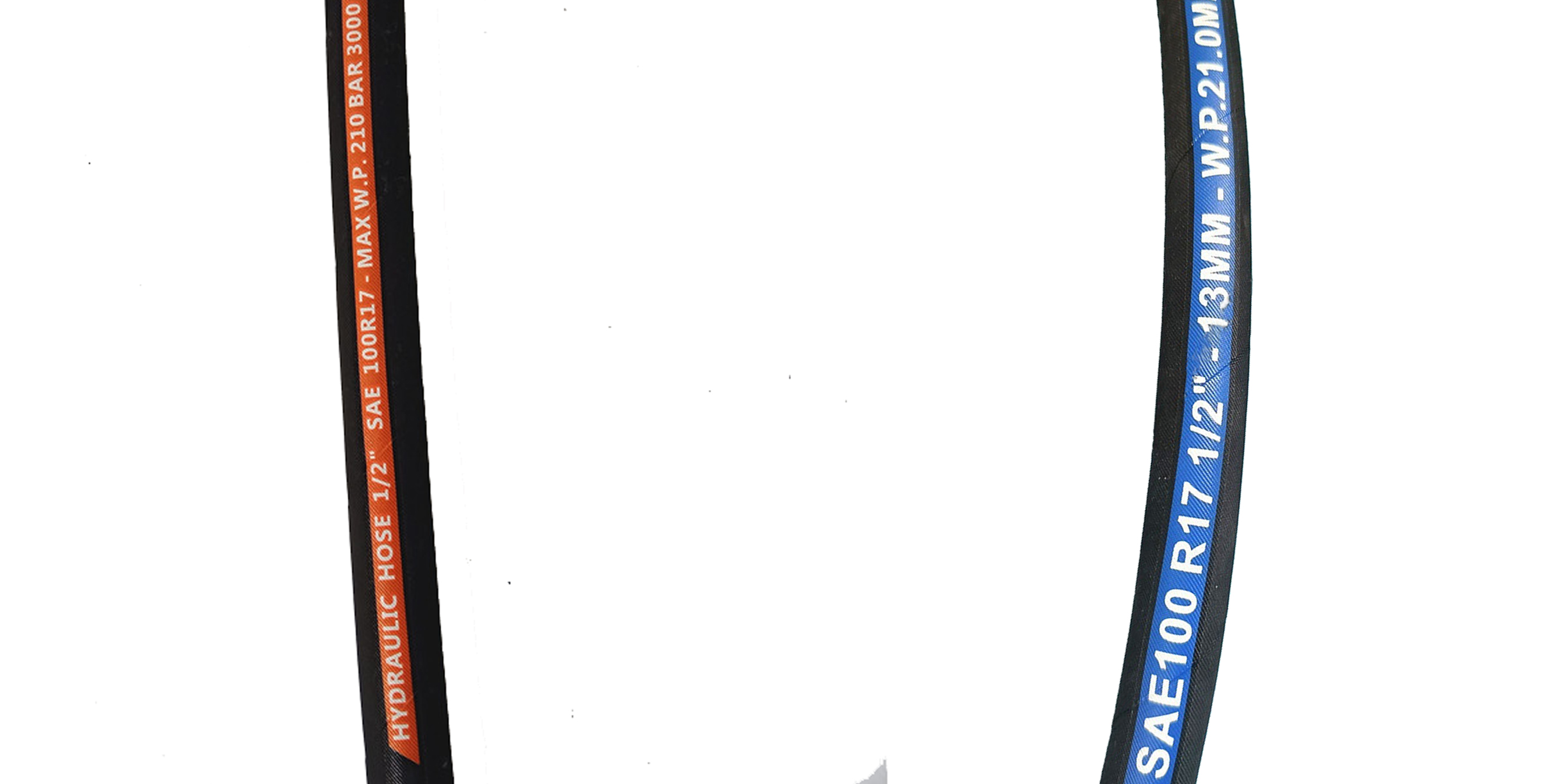
Flexible high-pressure hydraulic hoses are critical components in fluid power systems, transmitting hydraulic fluid to operate machinery across diverse industries including construction, agriculture, manufacturing, and aerospace. They represent a specialized segment within the broader hose and tubing industry, distinguished by their ability to withstand extremely high pressures while maintaining flexibility for routing within confined spaces. This guide provides an in-depth technical overview of these hoses, covering material science, manufacturing processes, performance characteristics, failure modes, and relevant industry standards. Core performance metrics center around burst pressure, working pressure, temperature range, and fluid compatibility. A key pain point for end-users revolves around hose longevity and resistance to abrasion, kinking, and chemical attack – factors that directly impact operational downtime and maintenance costs. Selecting the appropriate hose construction and material is crucial for maximizing system efficiency and ensuring worker safety.
Material Science & Manufacturing
The core construction of a flexible high-pressure hydraulic hose typically comprises four key layers: the inner tube, reinforcement layers, outer cover, and occasionally, an intermediate layer. The inner tube, in contact with the hydraulic fluid, is commonly made from synthetic rubbers such as Nitrile (NBR), Chloroprene (CR – Neoprene), or Ethylene Propylene Diene Monomer (EPDM). NBR offers excellent resistance to petroleum-based fluids, CR provides good weathering and abrasion resistance, and EPDM is well-suited for phosphate ester fluids. Reinforcement layers are crucial for pressure containment and are typically constructed from high-tensile strength steel wire (single or multi-spiral) or synthetic fiber braids (aramid or polyester). Steel wire provides superior burst strength, while fiber braids offer increased flexibility and kink resistance. The outer cover, protecting against abrasion, weathering, and chemical exposure, usually consists of a synthetic rubber compound like CR or polyurethane.
Manufacturing begins with extrusion of the inner tube to the specified dimensions. The reinforcement layers are then applied using automated winding or braiding machines, ensuring precise and consistent layer coverage. Parameters like wire diameter, pitch, and braid angle are critically controlled to achieve the target pressure rating. Following reinforcement, the outer cover is extruded over the assembly. Curing is a critical step, involving vulcanization of the rubber compounds using heat and pressure. Precise temperature and time control are essential to ensure optimal cross-linking, resulting in the desired physical properties. Final inspection includes pressure testing to 1.5 times the working pressure, dimensional checks, and visual assessment for defects. Skiving of the outer cover at the hose ends is often performed to facilitate fitting attachment. The mixing of rubber compounds requires precise formulation control, considering factors like filler type (carbon black, silica), plasticizer content, and cure system components. Contamination during any stage of manufacturing can severely compromise hose performance.

Performance & Engineering
Hydraulic hose performance is dictated by several key engineering principles. Burst pressure represents the maximum pressure the hose can withstand before rupture, typically defined as four times the working pressure. Working pressure is the maximum continuous operating pressure specified by the manufacturer. Hose flexibility is determined by the bend radius, a crucial factor in confined installations. Kink resistance is directly related to the reinforcement structure; spiral wire reinforcement generally offers better kink resistance than braided reinforcement. Fatigue life, representing the hose's ability to withstand repeated pressure cycles, is influenced by the material properties of the rubber compounds and the quality of the reinforcement layers.
Force analysis plays a vital role in hose design. Hoop stress, the tensile stress in the hose wall due to internal pressure, increases with pressure and hose diameter. Longitudinal stress, acting along the hose length, is influenced by the reinforcement structure. Environmental resistance is critical; exposure to extreme temperatures, ozone, ultraviolet radiation, and corrosive chemicals can degrade rubber compounds, leading to premature failure. Compliance requirements, such as those mandated by SAE (Society of Automotive Engineers) and EN (European Norms), specify minimum performance standards for hydraulic hoses, including pressure ratings, temperature ranges, and fluid compatibility. Functional implementation considerations include fitting selection, hose routing, and protection against abrasion and impact.
Technical Specifications
| Parameter | SAE 100R2AT | SAE 100R6 | EN 856 4SP | EN 856 2SN |
|---|---|---|---|---|
| Working Pressure (PSI) | 600 | 2000 | 2320 | 1450 |
| Burst Pressure (PSI) | 2400 | 8000 | 9280 | 5800 |
| Temperature Range (°F) | -40 to +212 | -40 to +212 | -40 to +248 | -40 to +212 |
| Reinforcement Type | 2AT Braid (Synthetic) | 6 Spiral Steel Wire | 4 Spiral Steel Wire | 2 Spiral Steel Wire |
| Inner Tube | NBR | NBR | NBR | NBR |
| Outer Cover | Synthetic Rubber | Synthetic Rubber | Synthetic Rubber | Synthetic Rubber |
Failure Mode & Maintenance
Hydraulic hose failures stem from several common mechanisms. Fatigue cracking, initiated by repeated pressure cycles, often occurs at the reinforcement layer, particularly in areas of high stress concentration. Delamination, the separation of hose layers, can result from poor adhesion between the inner tube, reinforcement, and outer cover, or from exposure to incompatible fluids. Degradation of the rubber compounds, caused by exposure to ozone, UV radiation, or extreme temperatures, leads to loss of flexibility and increased susceptibility to cracking. Oxidation of the hydraulic fluid can also contribute to rubber degradation. Abrasion from external contact can wear through the outer cover, exposing the reinforcement layers to corrosion. Kinking, induced by sharp bends, can damage the reinforcement and restrict fluid flow.
Preventive maintenance is crucial for maximizing hose life. Regular visual inspections should identify signs of cracking, abrasion, swelling, or discoloration. Hose routing should minimize sharp bends and prevent contact with abrasive surfaces. The hydraulic fluid should be regularly analyzed for contamination and degradation. Proper fitting selection and installation are essential to prevent leaks and hose damage. Hose assemblies should be replaced at recommended intervals or when signs of wear or damage are detected. A torque wrench should be used during fitting installation to ensure proper tightening without overstressing the hose. Record-keeping of hose replacement dates and inspection findings can help track hose performance and identify potential issues.
Industry FAQ
Q: What is the significance of the SAE 100R rating system?
A: The SAE 100R rating system is a standardized classification developed by the Society of Automotive Engineers that defines the performance characteristics of hydraulic hoses. Each rating (e.g., 100R2AT, 100R6) specifies the hose’s working pressure, burst pressure, temperature range, and construction type. This system allows for consistent and comparable specifications, ensuring that hoses meet defined performance criteria for specific applications.
Q: How does fluid compatibility affect hose selection?
A: Fluid compatibility is paramount. Different hydraulic fluids have varying chemical compositions, and certain fluids can cause the inner tube material to swell, degrade, or crack. Using a hose incompatible with the fluid will lead to premature failure. The hose manufacturer's chemical resistance charts should be consulted to ensure compatibility between the hose's inner tube material (NBR, EPDM, etc.) and the intended hydraulic fluid.
Q: What are the primary causes of hydraulic hose leaks?
A: Leaks commonly arise from improper fitting installation (over-tightening or under-tightening), damaged hose ends (cracks or abrasions), deterioration of the inner tube material, or failure of the hose's reinforcement layers. Corrosion of fittings can also contribute to leaks. Regular inspection and proper maintenance practices are essential to prevent leaks.
Q: What is the best method for preventing hose kinking?
A: Kinking is often prevented by selecting a hose with adequate flexibility, characterized by a larger bend radius. Spiral wire reinforced hoses are generally more kink resistant than braided hoses. Proper hose routing, avoiding sharp bends, and ensuring sufficient clearance around the hose are also critical. Using hose guards to protect the hose from external forces can further mitigate kinking.
Q: What is the role of the outer cover in hydraulic hose performance?
A: The outer cover provides critical protection against abrasion, weathering, ozone, UV radiation, and chemical exposure. It shields the reinforcement layers from corrosion and helps maintain the hose’s flexibility. A damaged or deteriorated outer cover can significantly reduce hose life and increase the risk of failure. Selecting a cover material appropriate for the operating environment is crucial.
Conclusion
Flexible high-pressure hydraulic hoses are engineered systems demanding careful material selection, precise manufacturing control, and diligent maintenance. Understanding the interplay between material properties, reinforcement structures, and operating conditions is paramount for ensuring reliable and safe operation. The failure to account for factors such as fluid compatibility, environmental exposure, and proper installation can lead to premature failure, operational downtime, and potential safety hazards.
The future of hydraulic hose technology will likely focus on advancements in materials science, leading to hoses with increased pressure ratings, improved temperature resistance, and enhanced durability. The development of smart hoses, incorporating sensors to monitor pressure, temperature, and fluid condition, will enable predictive maintenance and enhance system reliability. Furthermore, a continued emphasis on sustainable materials and manufacturing processes will be crucial for minimizing environmental impact.