
Apr . 01, 2024 17:55 Back to list
flexible high pressure hydraulic hose factory Performance Analysis
Introduction
Flexible high-pressure hydraulic hoses are critical components in hydraulic systems, transmitting fluid power to actuators and machinery. Positioned within the broader industrial hose and fluid conveyance industry, they bridge the gap between static hydraulic circuits and dynamic, mobile equipment. These hoses are engineered to withstand extreme pressures, temperatures, and mechanical stresses, facilitating efficient power transfer in applications ranging from construction and agriculture to manufacturing and aerospace. Core performance characteristics include pressure rating, burst pressure, temperature range, fluid compatibility, and flexibility, all vital parameters dictating operational reliability and system safety. A significant industry pain point centers on ensuring consistent hose performance under increasingly demanding operating conditions and minimizing premature failure due to factors like internal abrasion, external damage, and chemical attack. Further complicating matters are stringent environmental regulations concerning fluid containment and the need for materials that minimize environmental impact.
Material Science & Manufacturing
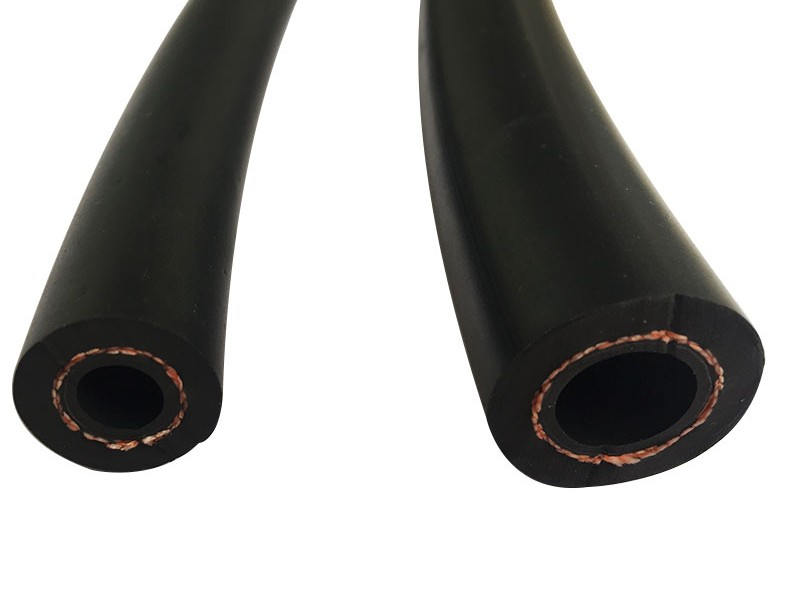
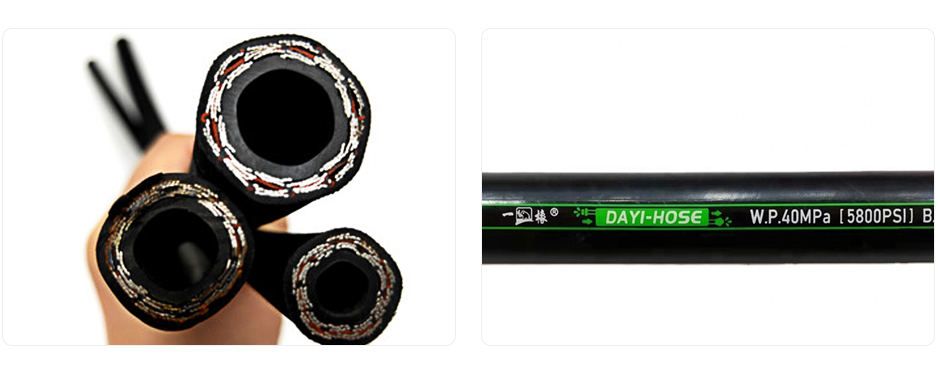
The construction of a flexible high-pressure hydraulic hose typically involves multiple layers, each serving a specific function. The inner tube, in direct contact with the hydraulic fluid, is commonly composed of synthetic rubbers such as nitrile (NBR), ethylene propylene diene monomer (EPDM), or fluorocarbon (FKM/Viton), selected based on fluid compatibility. NBR offers good resistance to petroleum-based fluids, while EPDM excels in phosphate ester-based fluids. FKM provides superior resistance to high temperatures and aggressive chemicals. The reinforcement layer provides the structural integrity to withstand pressure. This is usually braided with high-tensile steel wire, often in a single or double helix configuration. The number and geometry of the wires directly influence the hose's pressure rating and flexibility. An outer cover, typically made of synthetic rubber such as chloroprene (CR) or polyurethane (PU), protects the reinforcement from abrasion, ozone, and UV degradation. Manufacturing processes involve extrusion of the inner tube and outer cover, followed by helical winding or braiding of the reinforcement. Critical parameter control includes precise rubber compound mixing ratios, consistent wire tension during braiding, and accurate vulcanization (curing) temperatures and times. Post-production testing, including burst pressure testing and impulse testing, is essential to verify performance.
Performance & Engineering
Performance analysis of hydraulic hoses hinges on several key engineering principles. Tensile strength, determined through standardized tests like ASTM D2000, dictates the hose's ability to resist stretching and breaking under load. Burst pressure, significantly exceeding operating pressure, provides a safety margin against catastrophic failure. Impulse pressure testing, simulating pressure pulsations common in hydraulic systems, assesses the hose's fatigue life. Flexibility, a crucial attribute for routing in confined spaces, is determined by bend radius and torsional stiffness. Environmental resistance encompasses degradation from exposure to ozone, UV radiation, temperature extremes, and various hydraulic fluids. Compliance requirements include adherence to safety standards such as SAE J517 and EN 853, which specify pressure ratings, construction requirements, and testing procedures. Force analysis considers hoop stress within the hose wall under pressure, calculating the stress distribution to ensure structural integrity. Finite element analysis (FEA) is increasingly used to optimize hose design and predict performance under complex loading conditions. Proper hose assembly, including correct fitting selection and crimping, is paramount to achieve rated performance and prevent leakage or failure. The selection of fittings must account for the hose’s pressure rating, fluid compatibility and intended application.
Technical Specifications
| Parameter | Unit | SAE 100R2 AT | SAE 100R6 |
|---|---|---|---|
| Working Pressure | MPa | 34.5 | 21 |
| Burst Pressure | MPa | 103.4 | 63 |
| Temperature Range | °C | -40 to +100 | -40 to +100 |
| Inner Tube | Material | Synthetic Rubber (NBR) | Synthetic Rubber (NBR) |
| Reinforcement | Material | Multiple Spiral Steel Wire | Single Steel Wire Braid |
| Outer Cover | Material | Synthetic Rubber (CRM) | Synthetic Rubber (CRM) |
Failure Mode & Maintenance
Hydraulic hose failure can manifest in several forms. Fatigue cracking, initiated by repeated flexing and pressure cycling, often occurs in the reinforcement layer. Internal abrasion, caused by fluid contaminants, degrades the inner tube, leading to leakage. External damage, from abrasion, impact, or chemical exposure, can compromise the hose’s integrity. Oxidation and degradation of the rubber compounds, accelerated by heat and UV exposure, reduce flexibility and strength. Fitting failures, stemming from improper crimping or corrosion, are also common. Delamination, the separation of layers, is indicative of bond failure during manufacturing or prolonged exposure to harsh conditions. Preventive maintenance includes regular visual inspections for cracks, abrasions, and leaks. Monitoring fluid cleanliness is crucial, employing filtration systems to remove contaminants. Hoses should be replaced at recommended intervals, even if no visible damage is present. Proper hose routing, avoiding sharp bends and contact with hot surfaces, minimizes stress. Storing hoses in a cool, dry place, shielded from sunlight, extends their lifespan. If a hose rupture occurs, immediate system shutdown and investigation are essential to identify the root cause and prevent recurrence. Proper disposal of failed hoses is also necessary in accordance with environmental regulations.
Industry FAQ
Q: What is the primary difference between braided and spiral-wound hydraulic hoses?
A: Braided hoses, utilizing a single or multiple layers of woven steel wire, offer higher flexibility but generally lower pressure ratings compared to spiral-wound hoses. Spiral-wound hoses employ a continuous helical coil of steel wire, providing significantly higher pressure capacity and resistance to kinking, but they are less flexible and more expensive.
Q: How does temperature affect hydraulic hose performance?
A: Extreme temperatures can significantly degrade hose materials. High temperatures accelerate oxidation and reduce rubber elasticity, leading to premature failure. Low temperatures can cause rubber to become brittle and less flexible, increasing the risk of cracking. Maintaining hydraulic fluid and hose temperatures within the specified operating range is critical for optimal performance and longevity.
Q: What impact do different hydraulic fluids have on hose selection?
A: Fluid compatibility is paramount. Petroleum-based fluids typically require nitrile (NBR) inner tubes. Phosphate ester fluids demand EPDM, while aggressive chemicals like acids or solvents necessitate fluorocarbon (FKM/Viton). Using an incompatible fluid will cause the inner tube to swell, soften, or degrade, leading to leakage and failure.
Q: What are the key considerations when selecting hose fittings?
A: Fittings must be compatible with the hose’s pressure rating, fluid type, and operating temperature. The fitting material must be corrosion-resistant and compatible with both the hose and the hydraulic system. Proper crimping is essential to create a secure and leak-proof connection. Using incorrect fittings or improper crimping procedures will compromise hose integrity and lead to failure.
Q: What are the best practices for storing hydraulic hoses?
A: Hoses should be stored in a cool, dry, and well-ventilated area, shielded from direct sunlight, ozone sources, and extreme temperatures. Avoid bending hoses sharply during storage. Store hoses coiled loosely or hung vertically to prevent kinking or deformation. Regularly inspect stored hoses for signs of degradation.
Conclusion
The selection, installation, and maintenance of flexible high-pressure hydraulic hoses are paramount for ensuring the reliable and safe operation of hydraulic systems. Understanding the interplay between material science, manufacturing processes, engineering principles, and industry standards is critical for mitigating potential failure modes and maximizing hose service life. The increasing demand for higher pressures, more aggressive fluids, and stricter environmental regulations necessitates a continued focus on advanced materials, innovative hose designs, and rigorous testing protocols.
Ongoing advancements in hose technology, such as the development of thermoplastic hoses and intelligent hose monitoring systems, promise to further enhance performance and reliability. Proper training for hydraulic system technicians and adherence to best practices for hose assembly and maintenance will remain essential for minimizing downtime, reducing costs, and ensuring the safety of personnel and equipment.