
Apr . 01, 2024 17:55 Back to list
flame resistant hydraulic hose Performance Analysis
Introduction
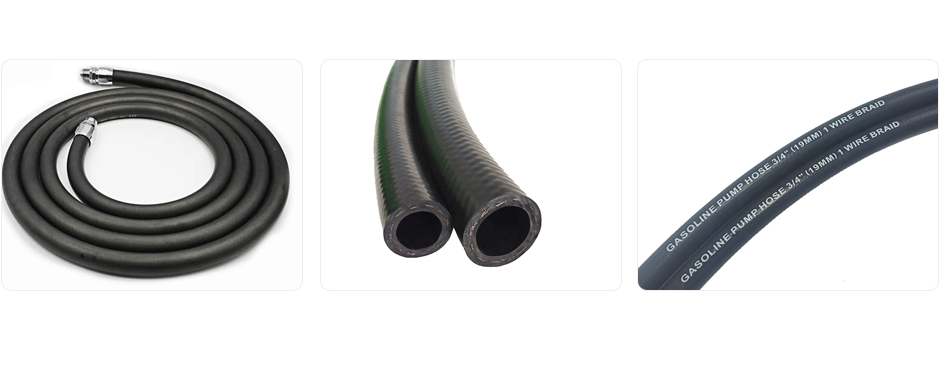
Flame resistant hydraulic hose is a critical component in numerous industrial applications where the risk of fire exposure is present. These hoses are designed to maintain operational integrity – preventing leakage and rupture – when subjected to direct flame, radiant heat, and potential exposure to molten metal or other hazardous materials. Unlike standard hydraulic hoses, flame resistant hoses incorporate specific materials and construction techniques to meet stringent safety standards. Their technical position within the fluid power industry chain resides between the hydraulic power unit (HPU), control valves, and actuators. Core performance characteristics include pressure rating, temperature resistance (both operating and flame exposure), fluid compatibility, and bend radius. A primary industry pain point is balancing flame resistance with flexibility and achieving a cost-effective solution without compromising safety. Failures in these systems can lead to catastrophic consequences, including equipment damage, personnel injury, and environmental contamination, necessitating rigorous quality control and adherence to industry standards.
Material Science & Manufacturing
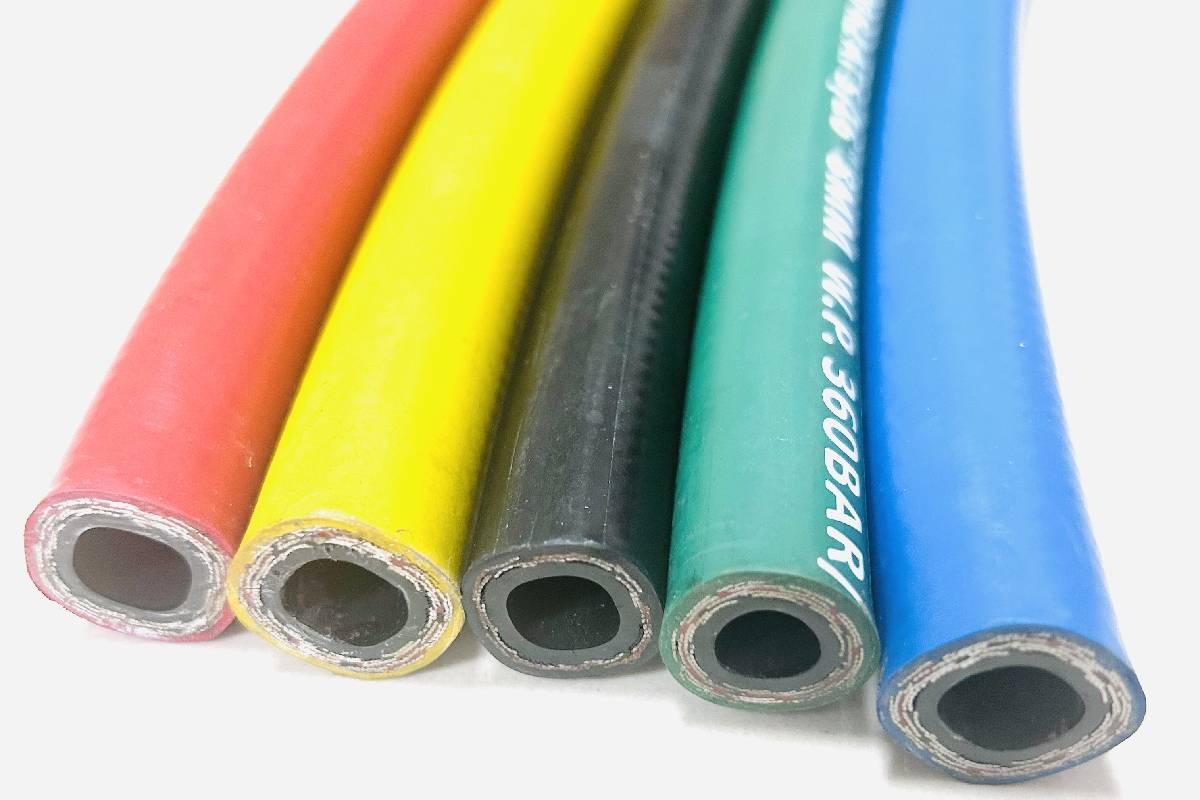
The construction of flame resistant hydraulic hose typically involves multiple layers, each contributing to its overall performance. The inner tube is commonly made from synthetic rubbers like nitrile (NBR), ethylene propylene diene monomer (EPDM), or fluorocarbon (FKM), chosen for their compatibility with specific hydraulic fluids. However, standard rubbers require substantial modification to enhance flame resistance. The reinforcement layer is crucial, often comprising multiple braids of high-tensile steel wire or aramid fiber. For flame resistance, the reinforcement is often encapsulated in a flame-resistant fiber wall, using materials like fiberglass or treated Nomex. The cover layer provides external protection and is typically a synthetic rubber compound, often chloroprene (CR) or a specialized elastomer. Crucially, the cover incorporates flame retardant additives, such as antimony trioxide and halogenated compounds, although the trend leans towards halogen-free formulations for environmental concerns.
Manufacturing processes include extrusion for the inner tube and cover, followed by spiral winding or braiding of the reinforcement layers. Parameter control during extrusion is vital to ensure consistent wall thickness and material properties. Braiding tension and angle are critical for achieving the specified pressure rating. A key process is the impregnation of the reinforcement layer with a flame-resistant treatment, requiring precise control of temperature, concentration, and dwell time. Curing processes, utilizing heat and pressure, are essential to vulcanize the rubber components and bond the layers together. Post-manufacturing testing, including flame exposure tests and hydrostatic pressure tests, verifies performance to required standards. Chemical compatibility testing, utilizing ASTM D2000 standards, is paramount to guarantee long-term material integrity and prevent degradation of the hose due to fluid exposure.
Performance & Engineering
Performance analysis of flame resistant hydraulic hose centers on its ability to withstand both hydrostatic pressure and external fire hazards. Hydrostatic testing, following SAE J517 standards, determines the burst pressure and working pressure. The hose undergoes cyclic pressure testing to evaluate fatigue life and resistance to pulsed flow. Flame resistance is assessed using tests like the vertical flame test (ASTM D610) and the oil immersion flame test (SAE J343), which simulate exposure to direct flame and oil-fueled fires. These tests evaluate the hose's ability to self-extinguish and prevent flame propagation. Force analysis considers the tensile strength of the reinforcement layers and the elongation properties of the rubber compounds. Bend radius is a critical engineering parameter, impacting hose life and performance. A smaller bend radius introduces greater stress on the reinforcement and can lead to premature failure.
Environmental resistance is also paramount. Exposure to UV radiation, ozone, and extreme temperatures can degrade the rubber compounds. Specialized cover formulations and UV stabilizers are employed to mitigate these effects. Compliance requirements vary by industry and region. The oil and gas sector often mandates compliance with API standards, while the mining industry requires adherence to MSHA regulations. Electrical resistance, tested according to ISO 8031, is essential in applications where grounding is critical to prevent static discharge. Leakage rates, measured under pressure, must meet stringent limits to prevent environmental contamination and maintain system efficiency.
Technical Specifications
| Parameter | Unit | Specification (Example - SAE J343 Type 1) | Typical Value Range |
|---|---|---|---|
| Working Pressure | PSI | 3000 | 1000-5000 |
| Burst Pressure | PSI | 9000 | 3000-15000 |
| Flame Exposure Time | Seconds | 60 | 30-120 |
| Flame Propagation Length | Inches | ≤4 | ≤2 |
| Temperature Range (Operating) | °F | -40 to +212 | -65 to +250 |
| Temperature Range (Flame Exposure) | °F | Up to 1800 | Up to 2000 |
Failure Mode & Maintenance
Failure modes in flame resistant hydraulic hose are diverse and depend on the application and operating conditions. Fatigue cracking, arising from repeated pressure cycling and bending, is a common issue, particularly in applications with high vibration. Delamination, or separation of the hose layers, can occur due to poor bonding during manufacturing or exposure to incompatible fluids. Oxidation and degradation of the rubber compounds are accelerated by high temperatures and exposure to ozone and UV radiation. Abrasion from contact with external surfaces can wear away the cover layer, exposing the reinforcement and increasing the risk of corrosion. Flame exposure can cause charring and embrittlement of the rubber compounds, reducing their flexibility and increasing the likelihood of cracking. Pinholes can develop in the cover due to damage from flying debris or sharp objects, leading to leakage.
Preventative maintenance is crucial to extending hose life and ensuring safe operation. Regular visual inspections should be conducted to identify signs of wear, cracking, abrasion, and swelling. Pressure testing should be performed periodically to verify the hose's integrity. Proper hose routing and support are essential to minimize bending stress and abrasion. Fluid compatibility should be verified to prevent degradation of the rubber compounds. Hoses should be replaced immediately if any signs of damage or deterioration are observed. Correct storage is also vital; hoses should be stored in a cool, dry place away from direct sunlight and ozone sources. When replacing hoses, ensure the replacement meets or exceeds the original specifications and is installed correctly, using appropriate fittings and tightening procedures.
Industry FAQ
Q: What is the difference between a standard hydraulic hose and a flame-resistant hydraulic hose, and is the added cost justified?
A: Standard hydraulic hoses are designed for general fluid power applications and lack the specialized construction and materials required to withstand direct flame exposure. Flame resistant hoses incorporate fire-retardant additives and flame-resistant reinforcement materials. The added cost is justified in applications where fire hazards exist, as it significantly reduces the risk of hose failure, preventing catastrophic equipment damage, personnel injury, and potential environmental contamination. The cost of a failure far outweighs the initial investment in a flame-resistant hose.
Q: How do you verify that a flame resistant hose meets the required specifications for a specific application?
A: Verification involves reviewing the hose manufacturer's test reports and certifications, confirming compliance with relevant industry standards (SAE, ISO, API). Independent laboratory testing can be conducted to validate performance. Key parameters to verify include working pressure, burst pressure, flame exposure time, flame propagation length, and temperature range. Traceability of materials and manufacturing processes is also critical.
Q: What is the impact of hydraulic fluid compatibility on the performance and lifespan of a flame resistant hydraulic hose?
A: Hydraulic fluid compatibility is paramount. Incompatible fluids can cause swelling, cracking, and degradation of the rubber compounds, reducing the hose’s flame resistance and mechanical strength. Always select a hose with an inner tube material that is specifically compatible with the hydraulic fluid being used. Refer to chemical compatibility charts and manufacturer's recommendations.
Q: What are the common causes of premature failure in flame resistant hydraulic hoses, and how can they be mitigated?
A: Common causes include exceeding the working pressure, improper installation, exposure to incompatible fluids, excessive bending, abrasion, and environmental degradation. Mitigation strategies include proper hose selection, correct installation procedures, regular inspections, preventative maintenance, and protection from external damage. Ensuring adequate support to minimize bending stress is particularly important.
Q: Are halogenated flame retardants still commonly used, and what are the alternatives for environmentally conscious applications?
A: While halogenated flame retardants were historically common, there's a growing trend towards halogen-free formulations due to environmental concerns surrounding the release of toxic dioxins during incineration. Alternatives include phosphorus-based flame retardants, nitrogen-based flame retardants, and magnesium hydroxide. These alternatives offer comparable flame resistance with a reduced environmental impact, although they may have slightly different performance characteristics.
Conclusion
Flame resistant hydraulic hose is an indispensable safety component in industries where fire hazards are prevalent. Its specialized construction, utilizing flame-resistant materials and meticulous manufacturing processes, ensures operational integrity during fire exposure, mitigating risk to personnel, equipment, and the environment. Selecting the correct hose, characterized by compatibility with the hydraulic fluid, adherence to relevant standards, and appropriate pressure and temperature ratings, is critical for long-term reliability and performance.
Future trends will likely focus on developing even more environmentally friendly flame retardant formulations, improving hose flexibility without compromising flame resistance, and incorporating smart technologies for real-time monitoring of hose condition and performance. Continuous advancements in material science and manufacturing techniques will further enhance the safety and reliability of flame resistant hydraulic hose systems, reducing the potential for catastrophic failures and ensuring the safe operation of critical industrial processes.