
Apr . 01, 2024 17:55 Back to list
fiber braid hydraulic hose Performance Analysis
Introduction
Fiber braid hydraulic hose constitutes a critical component in fluid power systems across a diverse range of industries, including construction, agriculture, manufacturing, and automotive. These hoses are engineered to reliably transmit hydraulic fluid under high pressure and varying environmental conditions. Unlike non-reinforced or wire-braided hose, fiber braid reinforcement offers a specific balance of flexibility, pressure capacity, and cost-effectiveness. This guide provides an in-depth examination of fiber braid hydraulic hose, encompassing material science, manufacturing processes, performance characteristics, failure modes, and relevant industry standards. The core performance metrics center around burst pressure, working pressure, bend radius, and temperature resistance, all of which are heavily influenced by the braid material and density. A prevalent industry pain point lies in accurately matching hose construction to specific application requirements to avoid premature failure and system downtime. Selecting the appropriate hose necessitates a comprehensive understanding of fluid compatibility, pressure fluctuations, and external environmental factors.
Material Science & Manufacturing
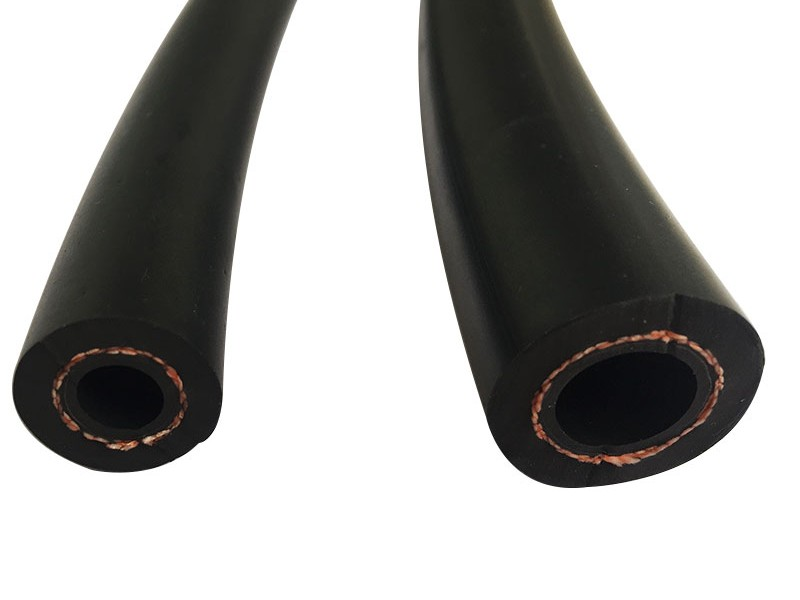
The construction of fiber braid hydraulic hose typically involves four key layers: the inner tube, the reinforcement braid, the outer cover, and bonding agents. The inner tube is commonly composed of synthetic rubbers such as nitrile (NBR), chloroprene (CR, Neoprene), or ethylene propylene diene monomer (EPDM), selected for their resistance to the hydraulic fluid being conveyed. NBR exhibits excellent resistance to petroleum-based oils, while EPDM demonstrates superior resistance to water, heat, and ozone. CR offers a balance of properties. The reinforcement braid is typically constructed from high-tensile strength fibers like polyester or aramid. Polyester offers good abrasion resistance and cost-effectiveness, while aramid provides exceptional strength and temperature resistance. The outer cover, often made of CR or a thermoplastic polyurethane (TPU), provides protection against abrasion, weathering, and chemical exposure. Key manufacturing processes include extrusion for the inner tube and outer cover, braiding using specialized machines that precisely intertwine the reinforcement fibers, and vulcanization (curing) to bond the layers together. Precise control of temperature, pressure, and curing time during vulcanization is crucial to achieve optimal adhesion and hose performance. Fiber angle and braid density are critical parameters impacting burst pressure. Maintaining consistent fiber tension during braiding is essential to prevent localized weaknesses. The ratio of fiber coverage directly correlates with the hose's ability to withstand internal pressure. Material compatibility between the rubber compounds and the reinforcement fibers is also a crucial consideration; incompatibility can lead to delamination and premature failure.
Performance & Engineering
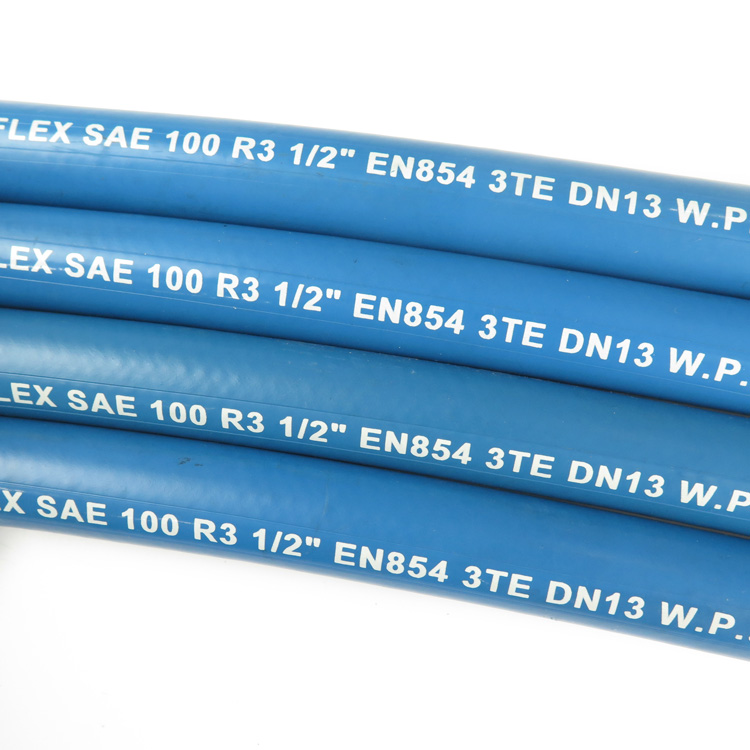
The performance of fiber braid hydraulic hose is governed by several key engineering principles. The reinforcement braid bears the majority of the tensile stress generated by the internal fluid pressure. The hoop stress within the inner tube is directly proportional to the pressure and radius of the hose. The fiber braid’s ability to resist this stress dictates the hose’s burst pressure. Bend radius is a critical parameter, as exceeding the minimum bend radius can induce localized stress concentrations, leading to fatigue failure. The relationship between bend radius and hose diameter is governed by the hose's flexibility, which is influenced by the braid structure and cover compound. Environmental resistance encompasses the hose’s ability to withstand temperature extremes, UV exposure, and chemical attack. Temperature affects the rubber compounds' elasticity and can significantly reduce the hose’s pressure capacity at elevated temperatures. Chemical compatibility is paramount; incompatibility can cause swelling, softening, or degradation of the rubber, leading to leaks or failure. Regulatory compliance, such as that mandated by SAE (Society of Automotive Engineers) standards, dictates minimum performance requirements for burst pressure, impulse pressure, and temperature range. Fatigue life is determined by the number of pressure cycles the hose can withstand before failure, and is directly impacted by the amplitude of pressure fluctuations. Force analysis during installation and operation is vital to assess potential stress points and prevent damage.
Technical Specifications
| Parameter | Unit | Typical Value (Polyester Braid) | Typical Value (Aramid Braid) |
|---|---|---|---|
| Working Pressure | psi | 2000 | 3000 |
| Burst Pressure | psi | 8000 | 12000 |
| Temperature Range | °F | -40 to +212 | -40 to +250 |
| Inner Tube Material | - | NBR | EPDM |
| Outer Cover Material | - | CR | TPU |
| Minimum Bend Radius | inches | 6 | 8 |
Failure Mode & Maintenance
Fiber braid hydraulic hose is susceptible to several failure modes. Abrasion of the outer cover can compromise the reinforcement braid, leading to fiber degradation and eventual rupture. Fatigue cracking, initiated by repeated pressure cycles and bending, often occurs at the braid crossover points. Delamination, the separation of the inner tube from the reinforcement braid, results from poor bonding or incompatibility between materials. Oxidation of the rubber compounds, accelerated by heat and exposure to oxygen, leads to hardening and cracking. Chemical attack by incompatible fluids causes swelling, softening, and degradation of the rubber. Improper installation, such as excessive bending or twisting, can induce localized stress concentrations and premature failure. Maintenance involves regular visual inspection for signs of abrasion, cracking, and leaks. Hose should be replaced if any damage is detected. Avoid over-bending or kinking the hose during operation. Ensure proper fluid compatibility. Regularly check hose connections for tightness. Implement a scheduled replacement program based on operating conditions and fluid type. When storing hose, protect it from direct sunlight, extreme temperatures, and ozone. Proper hose routing, minimizing sharp bends and contact with abrasive surfaces, is crucial for extending service life.
Industry FAQ
Q: What is the primary difference between polyester and aramid braid in terms of performance?
A: Aramid braid offers significantly higher tensile strength and temperature resistance compared to polyester braid. This translates to a higher burst pressure and improved performance in demanding applications involving extreme temperatures or aggressive fluids. However, aramid is generally more expensive than polyester.
Q: How does temperature affect the working pressure of a fiber braid hose?
A: Elevated temperatures decrease the elasticity of the rubber compounds, reducing the hose's ability to withstand pressure. Working pressure derating factors are typically provided by manufacturers for specific temperature ranges. Exceeding the recommended temperature limits can lead to premature failure.
Q: What are the implications of using an incompatible hydraulic fluid with a particular hose construction?
A: Using an incompatible fluid can cause the rubber compounds to swell, soften, or degrade, leading to leaks, reduced pressure capacity, and ultimately, hose failure. Always consult the hose manufacturer’s fluid compatibility chart to ensure the fluid is suitable for the hose materials.
Q: What is the importance of maintaining the correct bend radius?
A: Exceeding the minimum bend radius creates localized stress concentrations within the hose structure, accelerating fatigue failure. Proper hose routing and support are essential to maintain the recommended bend radius and prevent premature wear.
Q: What are common signs that a fiber braid hose needs to be replaced?
A: Common signs include visible cracks in the cover, abrasion exposing the braid, swelling or softening of the rubber, leaks, or any evidence of delamination. Even if no visible damage is present, a hose should be replaced according to a scheduled maintenance program or after prolonged exposure to harsh conditions.
Conclusion
Fiber braid hydraulic hose provides a robust and cost-effective solution for a wide range of fluid power applications. Understanding the interplay between material science, manufacturing processes, and performance parameters is crucial for selecting the appropriate hose for a given application. Proper installation, maintenance, and adherence to industry standards are essential to maximize hose lifespan and prevent catastrophic failures. The choice between polyester and aramid braid, along with the selection of suitable inner tube and outer cover materials, dictates the hose’s ability to withstand specific operating conditions.
Future developments in fiber braid hose technology are likely to focus on enhancing material performance, improving bonding techniques, and incorporating smart sensing capabilities for real-time monitoring of hose condition. Continued innovation will address the evolving demands of increasingly complex hydraulic systems and contribute to improved safety and reliability across various industries. A proactive approach to hose management, including regular inspections and scheduled replacements, remains the cornerstone of a successful hydraulic system maintenance program.