
Apr . 01, 2024 17:55 Back to list
en857 1sc Hydraulic Hose Performance Analysis
Introduction
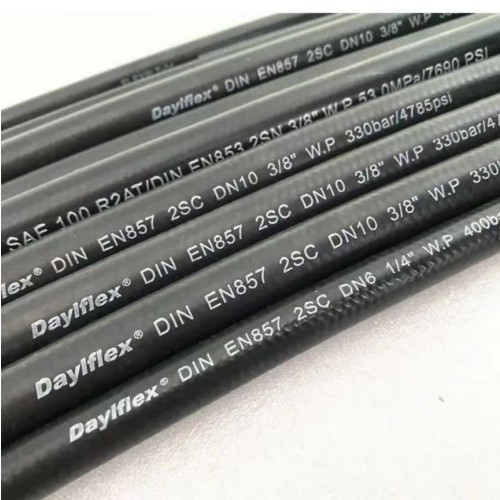
EN 857 1SC designates a hydraulic hose conforming to the European standard EN 857, specifically classified as 1SC. This designation indicates a hose with a single steel wire spiral reinforcement and is suitable for medium-pressure hydraulic applications. These hoses are critical components in hydraulic power systems, utilized for the transmission of fluid power in a wide array of industries including construction machinery, agricultural equipment, material handling, and industrial manufacturing. The core performance characteristics, including pressure rating, temperature resistance, and fluid compatibility, are paramount to ensuring system reliability and safety. A key industry pain point is ensuring consistent quality and adherence to the EN 857 standard across different manufacturers, particularly concerning dimensional accuracy and burst pressure performance, which directly impacts operational safety and longevity.
Material Science & Manufacturing
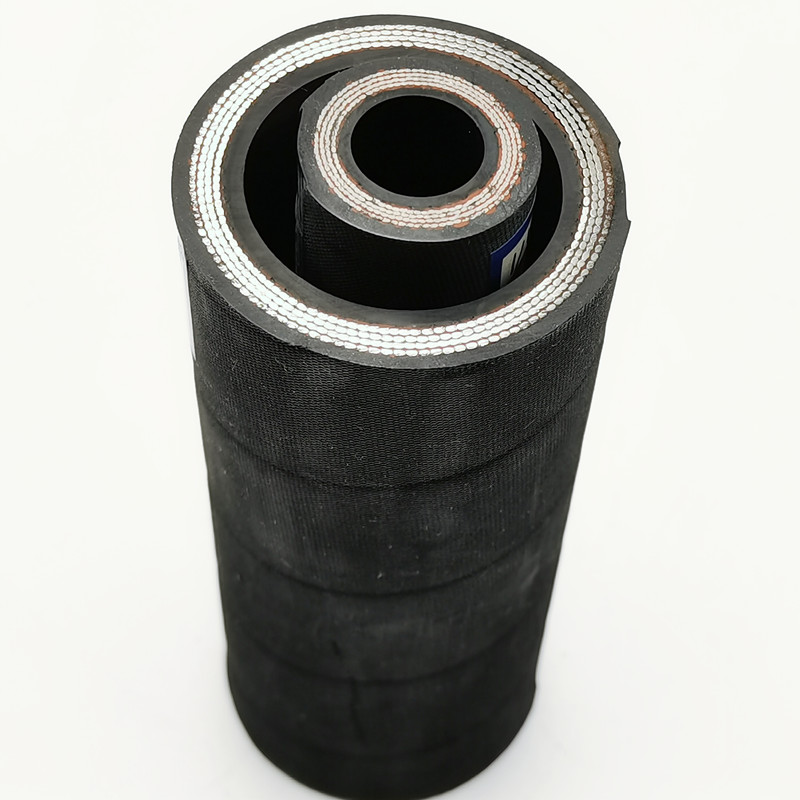
EN 857 1SC hoses typically comprise several key materials. The inner tube is commonly composed of Nitrile rubber (NBR), prized for its excellent resistance to petroleum-based hydraulic fluids. NBR’s chemical structure provides good flexibility and permeability resistance. The reinforcement layer consists of a single high-tensile steel wire spiral, providing the hose with its pressure-withstanding capability. The steel wire used is often carbon steel, heat treated to achieve the desired strength and ductility. The outer cover is generally a Chloroprene rubber (CR) compound, offering superior abrasion, ozone, and weathering resistance. Manufacturing begins with extrusion of the inner tube, followed by winding the steel wire spiral onto it. Precise control of the steel wire tension is vital to maintain dimensional stability and prevent premature failure. Finally, the outer cover is extruded over the reinforcement layer. Curing, a vulcanization process involving heat and pressure, is crucial to develop the final physical and chemical properties of the rubber compounds. Parameter control during extrusion (temperature, screw speed, die pressure) and curing (temperature, time, pressure) directly influences the hose’s burst pressure, flexibility, and lifespan. Fluid compatibility testing, using standard hydraulic fluids, is essential to verify the NBR inner tube’s resistance to degradation and swelling.
Performance & Engineering
The performance of EN 857 1SC hoses is dictated by several engineering considerations. Burst pressure is the primary performance metric, determined through hydrostatic testing according to EN 857 standards. A minimum burst pressure of four times the working pressure is typically required. Temperature range is critical; NBR typically performs well between -40°C and +100°C, but prolonged exposure to extreme temperatures can accelerate degradation. Hose bend radius is another important factor. Excessive bending can induce stress concentration in the reinforcement layer, leading to fatigue failure. The manufacturer’s minimum bend radius specifications must be strictly adhered to. Fluid compatibility is crucial. While NBR offers good resistance to mineral oils, compatibility with synthetic hydraulic fluids (e.g., phosphate esters) must be specifically verified. Finite element analysis (FEA) is often used during the design phase to optimize the reinforcement structure and predict stress distribution under various operating conditions. Proper end termination (crimping) is vital to ensure a leak-free and mechanically sound connection. Incorrect crimp dimensions can lead to premature failure at the connection point. Compliance with REACH and RoHS regulations is increasingly important, requiring manufacturers to demonstrate the absence of hazardous substances in their hose constructions.
Technical Specifications
| Parameter | Specification (Typical) | Testing Standard | Units |
|---|---|---|---|
| Working Pressure | 160 | EN 857 | bar |
| Burst Pressure | 640 | EN 857 | bar |
| Inner Tube Material | Nitrile Rubber (NBR) | ASTM D2000 | - |
| Reinforcement | Single Steel Wire Spiral | EN 857 | - |
| Outer Cover Material | Chloroprene Rubber (CR) | ASTM D2000 | - |
| Temperature Range | -40 to +100 | EN 857 | °C |
Failure Mode & Maintenance
EN 857 1SC hoses are susceptible to several failure modes. Fatigue cracking, often originating at the crimp connection or around sharp bends, is a common issue due to cyclical pressure and flexing. This is exacerbated by improper installation or exceeding the minimum bend radius. Hose twist, occurring when the hose is repeatedly rotated under pressure, can damage the reinforcement layer, leading to eventual rupture. Oil degradation and incompatibility can cause the inner tube to swell and soften, reducing its pressure-withstanding capacity. Abrasion of the outer cover, particularly in harsh environments, can expose the reinforcement layer to corrosion. Internal corrosion, resulting from moisture ingress, can weaken the steel wire spiral. Maintenance involves regular visual inspections for signs of cracking, abrasion, or leakage. Hose connections should be checked for tightness and corrosion. Proper storage is also critical; hoses should be stored in a cool, dry place away from direct sunlight and ozone sources. A proactive hose replacement program, based on operating conditions and service life recommendations, is essential to prevent catastrophic failures. Failure analysis, involving microscopic examination of fractured surfaces, can help identify the root cause of failures and implement corrective actions.
Industry FAQ
Q: What is the significance of the ‘SC’ designation in EN 857 1SC?
A: The ‘SC’ designation signifies a Single steel wire Cord reinforcement. This indicates the hose is designed for medium-pressure hydraulic applications and offers a balance between flexibility and pressure resistance. It's a common configuration suitable for many general-purpose hydraulic systems.
Q: How does temperature affect the performance and lifespan of an EN 857 1SC hose?
A: Elevated temperatures accelerate the degradation of the rubber compounds (NBR and CR), reducing their flexibility and tensile strength. Low temperatures can decrease the hose’s flexibility, increasing the risk of kinking and damage. Operating outside the specified temperature range (-40°C to +100°C) will significantly reduce the hose’s lifespan.
Q: What are the key considerations for selecting the correct crimp fitting for an EN 857 1SC hose?
A: The crimp fitting must be specifically designed for EN 857 1SC hoses and matched to the hose’s inner diameter and reinforcement type. Incorrect crimp dimensions (under-crimping or over-crimping) can lead to leakage or premature failure. The fitting material must also be compatible with the hydraulic fluid being used.
Q: How can I identify potential problems with an EN 857 1SC hose during routine inspections?
A: Look for visible signs of cracking, abrasion, blistering, or swelling. Check for leaks around the connections. Ensure the hose is not twisted or kinked. Verify that the hose is securely attached to the fittings and that there are no signs of corrosion. Document any observed defects and schedule a replacement if necessary.
Q: What are the implications of using an incompatible hydraulic fluid with an EN 857 1SC hose?
A: Incompatible fluids can cause the NBR inner tube to swell, soften, and degrade, leading to a loss of pressure-holding capacity and eventual failure. The fluid can also attack the rubber compounds, reducing their elasticity and resistance to abrasion. Always consult the hose manufacturer’s fluid compatibility chart before selecting a hydraulic fluid.
Conclusion
EN 857 1SC hydraulic hoses represent a crucial element in numerous industrial applications, providing a reliable means of transmitting hydraulic power. The hose's performance is intrinsically linked to the properties of its constituent materials – NBR, steel wire, and CR – and the precision of its manufacturing process. Understanding the potential failure modes, including fatigue cracking, abrasion, and fluid incompatibility, is paramount for effective maintenance and ensuring operational safety.
Continued advancements in rubber compound technology and manufacturing techniques are focused on enhancing the durability and extending the lifespan of EN 857 1SC hoses. Implementing proactive inspection and replacement programs, coupled with a thorough understanding of the hose’s limitations, will remain essential for optimizing performance and preventing costly downtime in hydraulic systems.