
Apr . 01, 2024 17:55 Back to list
en856 4sp Hydraulic Hose Performance Analysis
Introduction
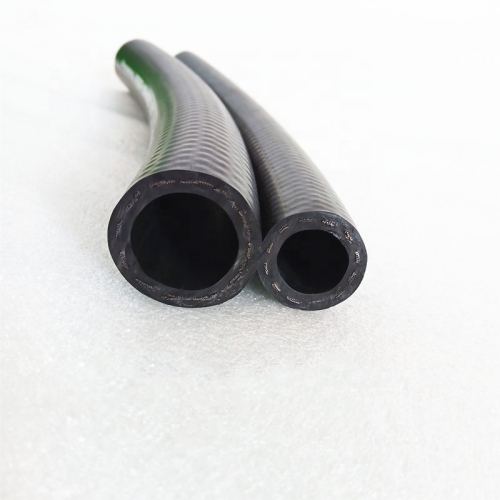
EN856 4SP designates a hydraulic hose conforming to the European standard EN 856, specifically the 4 Spiral reinforcement type. This hose is widely utilized in high-pressure fluid transfer applications across diverse industries including construction, agriculture, mining, and manufacturing. Positioned within the fluid power transmission chain, EN856 4SP hoses connect fluid power pumps, valves, and actuators, facilitating the transmission of hydraulic energy. Core performance characteristics include high pressure capability, flexibility, and resistance to hydraulic fluids, abrasion, and environmental factors. A critical performance metric is its ability to withstand pressures up to 400 bar (5800 psi) with a specified burst pressure, making it suitable for demanding applications. Understanding the nuances of EN856 4SP construction and performance is crucial for ensuring system reliability and safety. This guide will provide a detailed examination of the material science, manufacturing processes, performance parameters, failure modes, and maintenance protocols associated with this crucial industrial component.
Material Science & Manufacturing
EN856 4SP hoses are typically constructed from several layers of materials, each contributing to specific performance characteristics. The inner tube, in direct contact with the hydraulic fluid, is commonly made of synthetic rubber compounds, such as Nitrile (NBR), Chloroprene (CR), or Ethylene Propylene Diene Monomer (EPDM). NBR offers excellent resistance to petroleum-based hydraulic fluids, CR provides superior resistance to ozone and weathering, and EPDM excels in phosphate ester fluid compatibility. The reinforcement layer, defining the '4SP' designation, consists of four spirally wound steel wires. These high-tensile steel wires provide the hose’s strength and ability to withstand high internal pressures. The wire is typically carbon steel, treated with a corrosion inhibiting coating such as zinc plating. The outer cover is generally composed of Chloroprene rubber (CR) due to its excellent abrasion resistance, weathering protection, and oil resistance. Manufacturing begins with extrusion of the inner tube to the specified diameter and wall thickness. The steel wire is then spirally wrapped around the inner tube using specialized winding machines. Precise tension control during winding is critical to ensure uniform reinforcement and prevent premature failure. Following reinforcement, the outer cover is extruded over the wire layer. Finally, the hose undergoes a curing process, typically involving vulcanization within a heated autoclave. Curing crosslinks the rubber polymers, enhancing their mechanical properties and chemical resistance. Key parameter controls during manufacturing include maintaining consistent rubber compound formulations, accurate wire winding tension, proper curing temperature and time, and dimensional accuracy checks at each stage.
Performance & Engineering
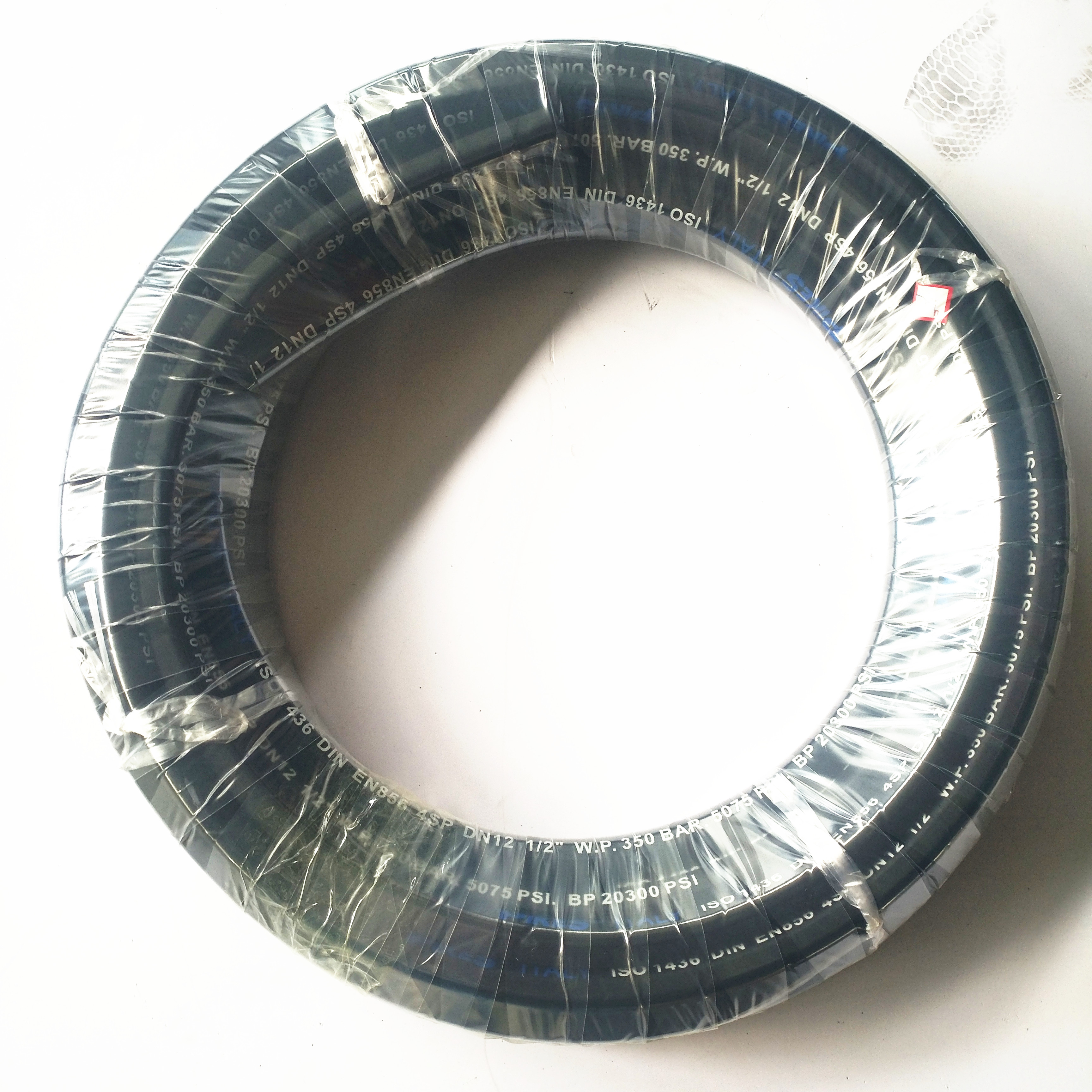
The performance of an EN856 4SP hose is fundamentally governed by its ability to withstand internal pressure without failure. This is described by its pressure rating (typically 400 bar) and burst pressure (typically 1600 bar). Burst pressure represents the pressure at which the hose will rupture during a static pressure test. Beyond pressure resistance, flexibility is a key engineering consideration. The spiral wire reinforcement imparts flexibility, enabling the hose to be routed around obstacles and absorb vibrations. However, excessive bending can lead to fatigue failure. The minimum bend radius, specified by the manufacturer, must be adhered to. Environmental resistance is also critical. Hydraulic systems often operate in harsh conditions, exposed to temperature extremes, UV radiation, and corrosive fluids. The materials used in the hose must be compatible with these conditions. Chemical compatibility analysis is essential, ensuring the hose material does not degrade or swell when exposed to the specific hydraulic fluid being used. EN856 4SP hoses must meet stringent industry compliance standards. These standards define the test methods and acceptance criteria for pressure testing, impulse testing (cyclic pressure), temperature resistance, and fluid compatibility. Force analysis within the hose structure focuses on hoop stress – the tensile stress acting circumferentially within the hose wall due to internal pressure. The steel wire reinforcement is designed to counteract this hoop stress, preventing the hose from expanding and ultimately rupturing. Fatigue analysis is crucial for predicting the hose's lifespan under cyclic pressure conditions, accounting for stress concentration at fittings and bends.
Technical Specifications
| Parameter | Unit | Specification (Typical) | Test Standard |
|---|---|---|---|
| Working Pressure | bar | 400 | EN 856 |
| Burst Pressure | bar | 1600 | EN 856 |
| Inner Tube Material | - | NBR/CR/EPDM | ISO 1629 |
| Reinforcement | layers | 4 Spiral Steel Wire | EN 856 |
| Outer Cover Material | - | CR | ISO 1629 |
| Temperature Range | °C | -40 to +100 | EN 856 |
Failure Mode & Maintenance
EN856 4SP hoses are susceptible to several failure modes. Fatigue cracking, initiated by repeated flexing and pressure cycles, is a common cause of failure, particularly at fittings and bend points. This is accelerated by exceeding the minimum bend radius or operating outside the specified temperature range. Pinholes in the inner tube can occur due to abrasion from fluid contaminants or chemical degradation. External abrasion from contact with surrounding surfaces can damage the outer cover, exposing the reinforcement wires to corrosion. Corrosion of the steel wires weakens the hose’s structure, leading to eventual failure. Another failure mode is hose ‘kinking,’ caused by excessive bending, restricting fluid flow and potentially damaging the inner tube. Delamination, the separation of layers within the hose wall, can result from improper curing or incompatibility between materials. Maintenance practices are critical for extending hose lifespan. Regular visual inspections should be conducted to identify signs of abrasion, cracking, or leakage. Hose fittings should be inspected for tightness and corrosion. The hydraulic fluid should be maintained clean and free of contaminants using appropriate filtration systems. Avoid exceeding the hose’s pressure and temperature ratings. If a hose shows any signs of damage, it should be replaced immediately. When replacing a hose, ensure the new hose has the same specifications and is compatible with the hydraulic fluid being used. Proper installation techniques, including correct fitting crimping and avoidance of sharp bends, are crucial for maximizing hose performance and preventing premature failure.
Industry FAQ
Q: What is the significance of the '4SP' designation in EN856 4SP hoses?
A: The '4SP' designation indicates that the hose is reinforced with four layers of spirally wound steel wire. This reinforcement provides the hose with its high-pressure capability and resistance to bursting. The number of spiral layers directly correlates to the hose's pressure rating and structural integrity.
Q: What fluid compatibility considerations are important when selecting an EN856 4SP hose?
A: It's crucial to ensure the inner tube material is compatible with the specific hydraulic fluid being used. Incompatibility can lead to swelling, degradation, or cracking of the inner tube, resulting in leakage and hose failure. NBR is suitable for petroleum-based fluids, CR for ozone and weathering, and EPDM for phosphate ester fluids. Refer to the hose manufacturer's compatibility charts.
Q: How does temperature affect the performance and lifespan of an EN856 4SP hose?
A: Operating outside the specified temperature range (-40°C to +100°C) can significantly reduce the hose's lifespan. High temperatures accelerate rubber degradation, while low temperatures can reduce flexibility and increase the risk of cracking. Ensure the hose is rated for the operating temperature of the hydraulic system.
Q: What are the common causes of fatigue failure in EN856 4SP hoses?
A: Fatigue failure is often caused by repeated flexing, pressure cycles, and exceeding the minimum bend radius. Stress concentration at fittings and bend points accelerates fatigue cracking. Proper hose routing, avoiding sharp bends, and maintaining consistent operating pressure are essential for preventing fatigue failure.
Q: What preventative maintenance steps should be taken to ensure the longevity of EN856 4SP hoses?
A: Regular visual inspections for abrasion, cracking, and leakage are crucial. Maintain clean hydraulic fluid with proper filtration. Ensure fittings are tight and free of corrosion. Avoid exceeding the hose’s pressure and temperature ratings. Replace damaged hoses immediately. Proper installation, including correct crimping and avoiding sharp bends, is also essential.
Conclusion
EN856 4SP hydraulic hoses represent a critical component in numerous industrial applications demanding high-pressure fluid transfer. Their performance hinges on a complex interplay of material science, precise manufacturing processes, and adherence to stringent industry standards. Understanding the specific properties of the inner tube, reinforcement layers, and outer cover, as well as the impact of factors such as temperature, fluid compatibility, and operational stresses, is paramount for ensuring system reliability and preventing catastrophic failure.
Proactive maintenance, including regular inspections and timely replacement of damaged hoses, is essential for maximizing lifespan and minimizing downtime. As hydraulic systems become increasingly sophisticated, continued advancements in hose materials and manufacturing techniques will undoubtedly enhance the performance and durability of EN856 4SP hoses, further solidifying their role in modern industrial infrastructure.