
Apr . 01, 2024 17:55 Back to list
en854 3te Hydraulic Hose Performance Analysis
Introduction
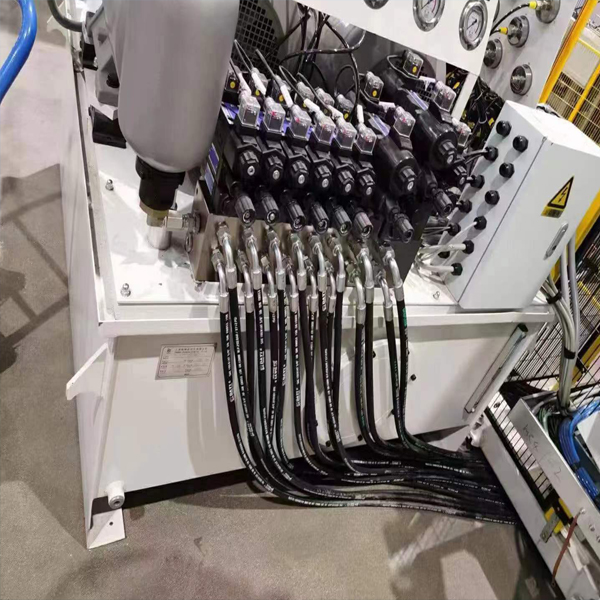
EN 854 3TE designates a specific type of high-pressure hydraulic hose, conforming to the European standard EN 854. Within the hydraulic conveyance industry, these hoses occupy a critical position, enabling the reliable transfer of fluid power in diverse applications ranging from construction equipment and agricultural machinery to industrial manufacturing and material handling. The "3TE" suffix denotes a textile reinforced rubber hose with a twisted braid construction, engineered for moderate to high pressure applications. Core performance characteristics include burst pressure, working pressure, temperature range, and fluid compatibility. A key industry pain point revolves around ensuring consistent performance and longevity in demanding environments, particularly preventing premature failure due to fatigue, abrasion, and chemical attack. Understanding the material composition, manufacturing processes, and operational limitations of EN 854 3TE hoses is crucial for optimal system design and preventative maintenance.
Material Science & Manufacturing
EN 854 3TE hoses are primarily constructed from several key materials. The inner tube is typically composed of a synthetic rubber compound, often a nitrile rubber (NBR) or ethylene propylene diene monomer (EPDM), selected for compatibility with the intended hydraulic fluid. NBR offers excellent resistance to petroleum-based fluids, while EPDM provides superior resistance to water, ozone, and weathering. The reinforcement layer consists of multiple plies of high-tensile strength textile braiding, commonly polyester or nylon. This braiding provides the pressure resistance and structural integrity. The outer cover is usually a chlorinated polyether (CPE) or polyurethane (PU) compound, chosen for its abrasion resistance, weathering protection, and oil resistance. Manufacturing begins with extrusion of the inner tube. The textile braiding is then wound onto the tube using automated braiding machines, carefully controlling the ply angle and tension to achieve the specified pressure rating. The outer cover is subsequently extruded over the braided reinforcement. Key process parameters include extrusion temperature, braiding tension, and curing time. Consistent control of these parameters is vital to ensure uniform material properties and prevent defects such as porosity or delamination. Post-production, hoses undergo rigorous pressure testing and dimensional inspection to verify compliance with EN 854 standards.
Performance & Engineering
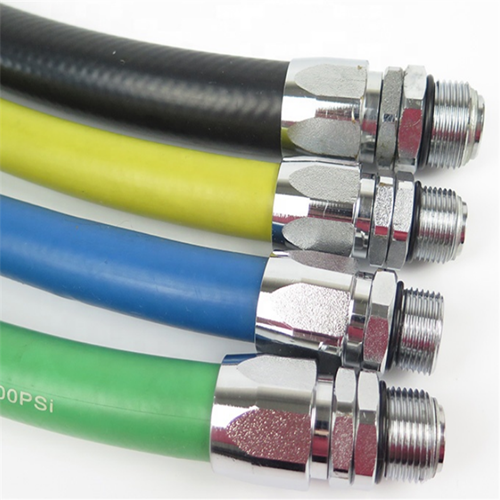
The performance of an EN 854 3TE hose is governed by several engineering principles. Burst pressure, the maximum pressure the hose can withstand before rupture, is determined by the tensile strength of the reinforcement braiding and the adhesion between the layers. Working pressure, typically rated at 70% of the burst pressure, represents the safe operating limit. Fatigue resistance is a critical factor, especially in applications involving cyclic pressure fluctuations. The hose must withstand repeated pressure cycles without failure. Environmental resistance, including temperature variation, ozone exposure, and UV radiation, impacts the long-term durability of the rubber compounds. Chemical compatibility is also crucial; the inner tube material must be resistant to degradation by the hydraulic fluid. Force analysis during bending and flexing is essential to prevent kinking and premature failure. The minimum bend radius, specified by the manufacturer, must be adhered to during installation to avoid excessive stress concentration. Compliance with EN 854 requires adherence to specific test methods for burst pressure, pressure impulse, and temperature range, ensuring that the hose meets defined performance criteria.
Technical Specifications
| Parameter | Unit | EN 854 3TE Specification | Typical Value Range |
|---|---|---|---|
| Working Pressure | MPa | Up to 31.5 | 10 - 31.5 |
| Burst Pressure | MPa | ≥ 3 x Working Pressure | 30 - 94.5 |
| Temperature Range | °C | -40 to +100 | -40 to +120 (depending on compound) |
| Inner Tube Material | - | NBR or EPDM | NBR, EPDM, CR |
| Reinforcement | - | Textile Braid (Polyester/Nylon) | 2PR, 3PR, 4PR |
| Outer Cover Material | - | CPE or PU | CPE, PU |
Failure Mode & Maintenance
Common failure modes for EN 854 3TE hoses include burst failure due to exceeding the working pressure, fatigue cracking from repeated pressure cycles, abrasion damage from external contact, and chemical degradation from incompatible fluids. Pinholes can develop in the inner tube due to internal corrosion or damage from particulate contamination. Delamination of the layers can occur due to poor adhesion or excessive stress. Oxidation and weathering of the outer cover can lead to cracking and loss of protection. Preventative maintenance is crucial for extending hose life. Regular visual inspection should be performed to identify signs of damage such as abrasions, cracks, and leaks. Hose routing should be optimized to avoid sharp bends and contact with abrasive surfaces. Hydraulic fluid should be maintained clean and free of contaminants. Hoses should be replaced at recommended intervals or if any signs of damage are detected. Proper storage in a cool, dry, and dark environment can prevent degradation of the rubber compounds. When replacing a hose, ensure the new hose has the correct specifications (pressure rating, temperature range, and fluid compatibility) for the application. Avoiding over-tightening connections is also vital to prevent damage to the hose ends.
Industry FAQ
Q: What is the impact of hydraulic fluid type on the lifespan of an EN 854 3TE hose?
A: Hydraulic fluid type significantly impacts hose lifespan. Using a fluid incompatible with the inner tube material (e.g., using petroleum-based fluid in an EPDM tube) will cause swelling, softening, and eventual degradation of the rubber, leading to premature failure. Always verify fluid compatibility with the hose manufacturer’s specifications.
Q: How does temperature affect the working pressure rating of an EN 854 3TE hose?
A: Higher temperatures generally reduce the working pressure rating of a hose. The rubber compounds lose some of their strength and elasticity at elevated temperatures. Manufacturers typically provide derating factors for different temperature ranges. Operating a hose consistently at or near the upper temperature limit will shorten its lifespan.
Q: What are the consequences of exceeding the minimum bend radius?
A: Exceeding the minimum bend radius creates excessive stress on the reinforcement layer, leading to fatigue cracking and potential burst failure. Repeated bending beyond the specified radius weakens the hose and reduces its lifespan. Proper hose routing is critical.
Q: How important is proper hose end termination in preventing failure?
A: Proper hose end termination is extremely important. Incorrect crimping or improper fitting selection can create stress concentrations and leaks, leading to premature failure. Using certified crimping equipment and following manufacturer’s instructions are essential.
Q: Can EN 854 3TE hoses be used for gas applications?
A: No. EN 854 3TE hoses are specifically designed for hydraulic fluid applications. Using them for gas conveyance is extremely dangerous and can result in catastrophic failure due to permeation and the different pressure characteristics of gases. Specialized gas hoses must be used.
Conclusion
The EN 854 3TE hydraulic hose represents a widely utilized and reliable component in fluid power systems. Its performance is dictated by a complex interplay of material properties, manufacturing precision, and operating conditions. Understanding the limitations related to pressure, temperature, fluid compatibility, and mechanical stress is paramount for ensuring long-term reliability and preventing costly failures.
Continued advancements in rubber technology and reinforcement materials are driving improvements in hose durability and performance. Future developments may focus on enhanced abrasion resistance, reduced weight, and increased chemical compatibility, further expanding the application range of EN 854 3TE and similar hydraulic hoses. Adherence to industry standards, diligent maintenance practices, and informed material selection remain vital for optimizing the performance and lifespan of these critical components.