
Apr . 01, 2024 17:55 Back to list
en854 2te Hydraulic Hose Performance Analysis
Introduction
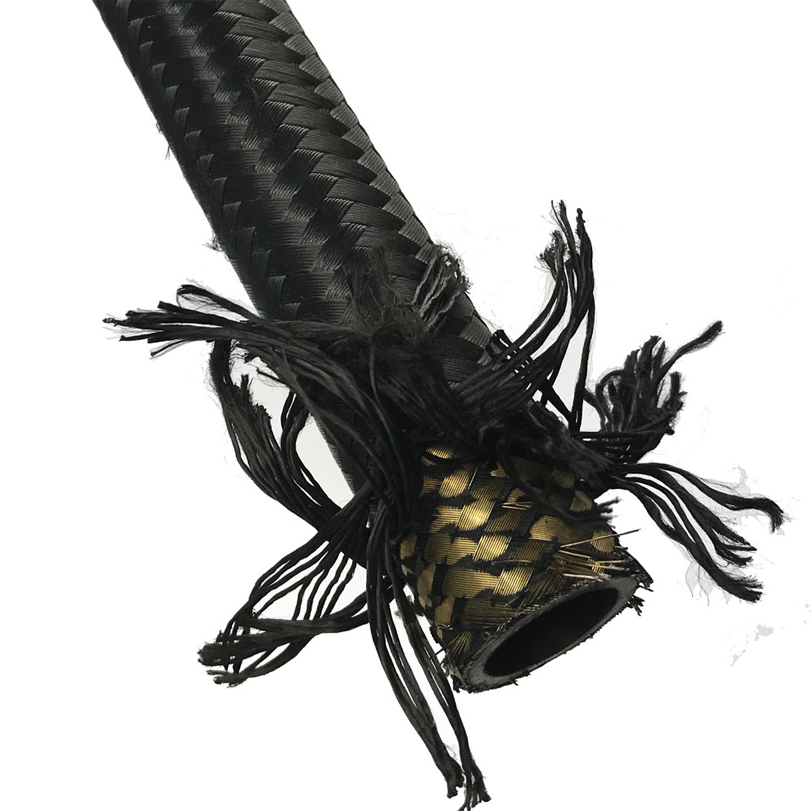
EN854 2TE designates a type of high-pressure hydraulic hose conforming to the European standard EN 854. Specifically, 2TE denotes a two-wire spiral reinforced hydraulic hose with a synthetic rubber inner tube and outer cover. These hoses are critical components in hydraulic power transmission systems across diverse industries including construction machinery, agricultural equipment, mining operations, and industrial manufacturing. Their primary function is to convey hydraulic fluid under high pressure and fluctuating temperatures, providing the necessary power for actuating cylinders, motors, and other hydraulic devices. A key challenge within the industry revolves around maintaining consistent dimensional accuracy and ensuring long-term resistance to fluid degradation and external abrasion, impacting operational safety and minimizing downtime. The performance is fundamentally governed by burst pressure, working pressure, temperature range, and fluid compatibility. Understanding these parameters is crucial for proper system design and component selection.
Material Science & Manufacturing
The construction of an EN854 2TE hose begins with the inner tube, typically composed of a synthetic rubber compound, often nitrile rubber (NBR) or ethylene propylene diene monomer (EPDM) rubber, selected for their compatibility with specific hydraulic fluids. NBR offers excellent resistance to oil-based fluids, while EPDM demonstrates superior resistance to water and phosphate ester fluids. The reinforcement layer consists of two layers of high-tensile steel wire spirally wound around the inner tube, providing the necessary strength to withstand high pressures. The steel wire is typically coated with a corrosion-inhibiting layer, such as zinc, to enhance its durability. The outer cover is also synthetic rubber, frequently a blend of SBR (styrene-butadiene rubber) and NBR to provide abrasion resistance, weather resistance, and protection against ozone degradation. Manufacturing involves extrusion of the inner tube, simultaneous winding of the steel wire reinforcement, and extrusion of the outer cover. Critical process parameters include extrusion temperature, winding tension, and curing time and temperature. Precise control of these parameters is essential to achieve the specified mechanical properties and dimensional tolerances. Vulcanization, or curing, is a vital step where the rubber compounds are cross-linked using sulfur or peroxides, transforming the plastic rubber into a durable, elastic material.
Performance & Engineering
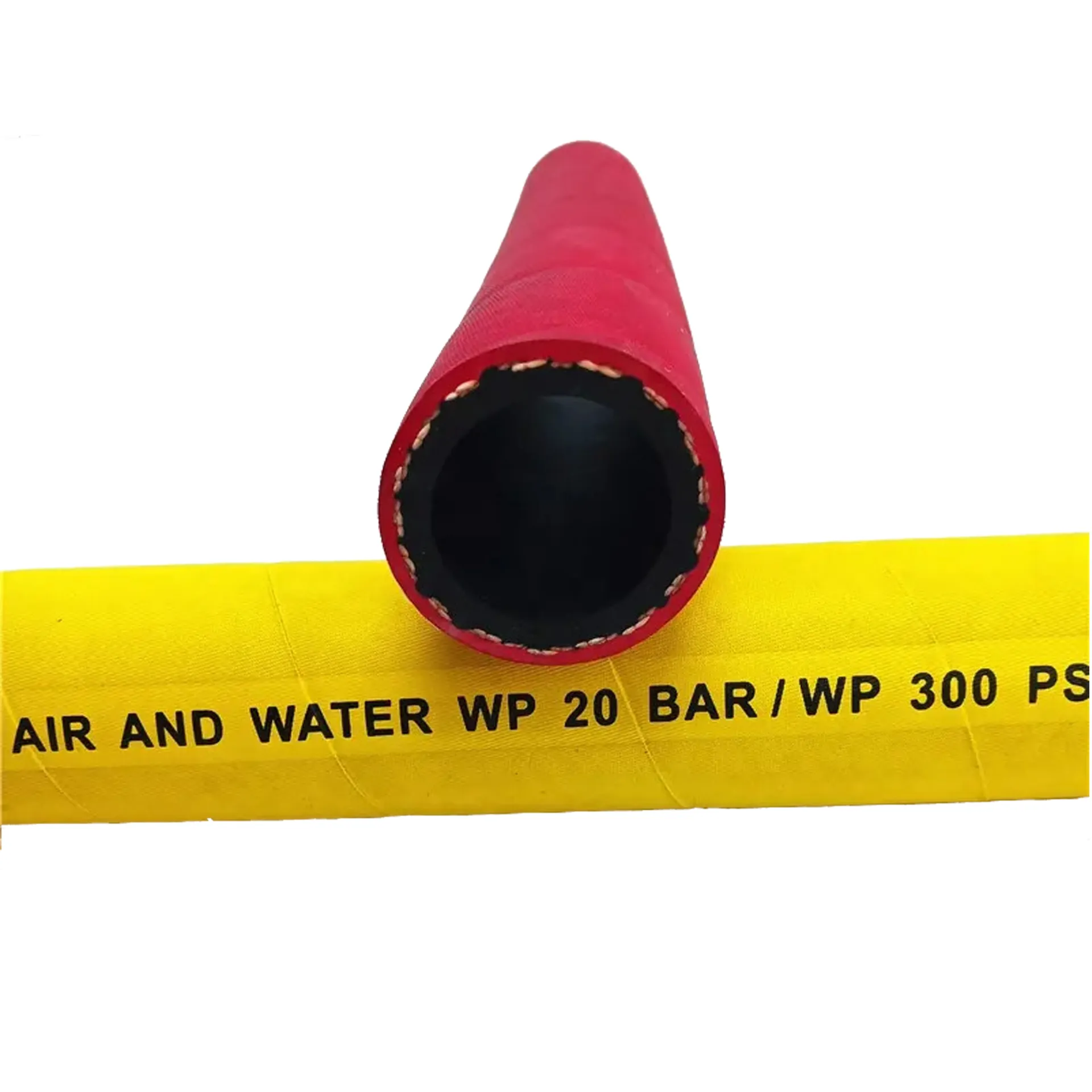
The performance of EN854 2TE hoses is heavily reliant on force analysis under pressure. The hoop stress within the inner tube and the tensile stress within the steel wire reinforcement are primary concerns. Finite Element Analysis (FEA) is often employed during the design phase to optimize the wire winding configuration and rubber compound thickness to minimize stress concentrations. Environmental resistance is also paramount. Exposure to elevated temperatures can degrade the rubber compounds, reducing their elasticity and increasing the risk of cracking. Conversely, low temperatures can decrease the flexibility of the hose, making it susceptible to kinking and damage. Hydraulic fluid compatibility is critical; incompatible fluids can cause swelling, softening, or cracking of the rubber components. Compliance requirements dictate adherence to EN 854 standards, which specify minimum burst pressure, minimum working pressure, and testing procedures. Burst pressure is typically four times the working pressure. Fatigue life, the number of pressure cycles the hose can withstand before failure, is another key performance metric, particularly in applications involving frequent start-stop operations. Proper fitting selection and installation techniques are crucial for ensuring reliable performance and preventing premature failure. Incorrectly crimped fittings can create stress risers and lead to leaks or bursts.
Technical Specifications
| Parameter | Unit | Typical Value (EN854 2TE) | Testing Standard |
|---|---|---|---|
| Minimum Burst Pressure | MPa | 840 | EN 854 |
| Working Pressure | MPa | 210 | EN 854 |
| Temperature Range | °C | -40 to +100 | EN 854 |
| Inner Tube Material | - | NBR (Nitrile Rubber) | DIN 2289 |
| Reinforcement | - | 2 Steel Wire Spiral | EN 854 |
| Outer Cover Material | - | SBR/NBR Blend | EN 854 |
Failure Mode & Maintenance
Common failure modes in EN854 2TE hoses include burst failure due to exceeding the working pressure, fatigue cracking caused by repeated pressure cycling, and degradation of the rubber compounds due to exposure to heat, oil, or ozone. Another frequent failure mode is fitting failure, often resulting from improper crimping or corrosion. Internal abrasion can also occur due to the passage of abrasive particles in the hydraulic fluid. Failure analysis typically involves visual inspection for cracks, bulges, or leaks, followed by microscopic examination of the fractured surfaces to determine the root cause. Maintenance practices should include regular visual inspections, pressure testing, and replacement of hoses at recommended intervals, typically every 3-5 years depending on the application and operating conditions. Proper storage is also crucial; hoses should be stored in a cool, dry place away from direct sunlight and ozone sources. Preventative maintenance such as regular fluid filtration and the use of compatible hydraulic fluids can significantly extend hose life. When replacing hoses, it is essential to use fittings that are specifically designed for EN854 2TE hoses and to ensure that they are correctly crimped.
Industry FAQ
Q: What is the impact of hydraulic fluid type on the lifespan of an EN854 2TE hose?
A: The hydraulic fluid type significantly impacts hose lifespan. Incompatible fluids can cause swelling, softening, or cracking of the inner tube material. For instance, using petroleum-based fluids with an EPDM inner tube will lead to rapid degradation. Always confirm fluid compatibility with the hose manufacturer’s specifications. Regular fluid analysis is recommended to monitor fluid condition and prevent contamination.
Q: How does temperature affect the performance and safety of these hoses?
A: Extreme temperatures can severely compromise hose performance. High temperatures accelerate rubber degradation, reducing elasticity and increasing the risk of burst failure. Low temperatures decrease flexibility, increasing susceptibility to kinking and damage. Operating outside the specified temperature range (-40°C to +100°C) significantly reduces the hose's lifespan and compromises safety.
Q: What are the key indicators of impending hose failure that operators should look for?
A: Key indicators include visible cracks in the rubber cover, bulges or distortions along the hose length, leaks around fittings, and a noticeable decrease in hydraulic system performance. Any of these signs warrant immediate inspection and potential hose replacement. Regular visual checks are crucial.
Q: What is the correct procedure for crimping fittings onto EN854 2TE hoses?
A: Correct crimping is critical for a reliable connection. The fitting must be specifically designed for EN854 2TE hoses, and the crimping process must be performed using a calibrated crimping machine and the manufacturer’s recommended dies. Improper crimping can create stress concentrations, leading to leaks or burst failures. A pull test should be performed to verify the integrity of the crimp.
Q: Can EN854 2TE hoses be used with bio-based hydraulic fluids?
A: Compatibility with bio-based hydraulic fluids varies. Many bio-based fluids contain esters or other compounds that can degrade certain rubber formulations. It’s crucial to consult the hose manufacturer's compatibility chart or conduct specific compatibility testing before using a bio-based fluid to ensure long-term performance and prevent premature failure.
Conclusion
EN854 2TE hydraulic hoses represent a crucial component in numerous industrial applications, demanding stringent material selection, manufacturing control, and adherence to performance standards. The inherent properties of the materials used – the synthetic rubber compounds and high-tensile steel wire – dictate the hose’s ability to withstand high pressures, fluctuating temperatures, and aggressive fluid environments. Proper application, coupled with regular inspection and preventative maintenance, are vital for maximizing service life and ensuring operational safety.
Looking ahead, advancements in rubber technology and reinforcement materials promise to yield hoses with enhanced durability, increased pressure ratings, and improved resistance to fluid degradation. The continued refinement of manufacturing processes, particularly in the areas of extrusion and crimping, will contribute to greater dimensional accuracy and overall product reliability. Furthermore, the increasing adoption of predictive maintenance techniques, leveraging sensor data and machine learning algorithms, will enable proactive hose replacement, minimizing downtime and enhancing system efficiency.