
Apr . 01, 2024 17:55 Back to list
en853 2sn Hydraulic Hose Performance
Introduction
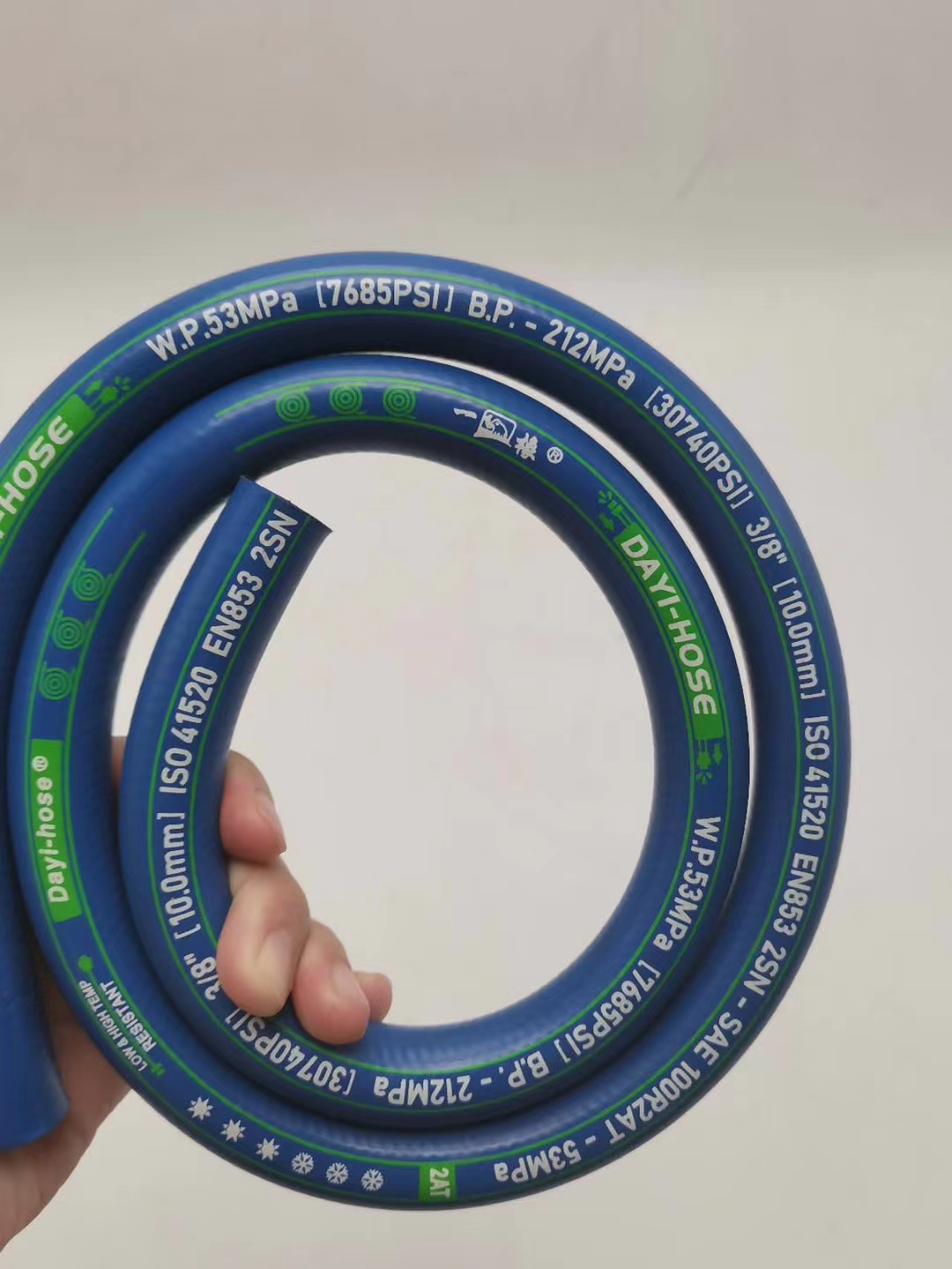
EN 853 2SN is a European standard specifying the technical requirements for hydraulic hose assemblies with two steel wire braids, commonly referred to as 2SN construction. These hoses are integral components in fluid power systems across various industries, including construction, agriculture, mining, and manufacturing. The '2SN' designation indicates two layers of high-tensile steel wire spiral reinforcement embedded within a synthetic rubber compound. This construction provides exceptional pressure resistance, flexibility, and durability, making EN 853 2SN hoses suitable for transmitting hydraulic fluid at high pressures and in demanding operating environments. A core performance characteristic is its ability to withstand pressure fluctuations and maintain structural integrity under cyclic loading. This guide provides an in-depth examination of the material science, manufacturing processes, performance characteristics, failure modes, and maintenance practices associated with EN 853 2SN hydraulic hoses, offering a comprehensive resource for engineers, procurement professionals, and maintenance personnel.
Material Science & Manufacturing
EN 853 2SN hoses are constructed from several key materials. The inner tube is typically composed of nitrile rubber (NBR) due to its excellent resistance to petroleum-based hydraulic fluids, abrasion, and temperature fluctuations. Alternative inner tube materials include ethylene propylene diene monomer (EPDM) for phosphate ester-based fluids and fluorocarbon rubber (FKM) for demanding applications requiring broad chemical compatibility and high-temperature performance. The reinforcement layers consist of high-tensile steel wire, specifically drawn to achieve precise dimensions and mechanical properties. Steel wire selection is critical; carbon steel wires conforming to standards like ASTM A228 or EN 10277 are common. The outer cover is usually a synthetic rubber blend, often a combination of chloroprene (CR) and NBR, providing resistance to ozone, weathering, abrasion, and oil.
Manufacturing typically involves a multi-stage process. First, the inner tube is extruded to the required dimensions. Next, the steel wire braids are helically wound onto the inner tube using specialized braiding machines. Precise tension control during braiding is vital to ensure uniform reinforcement distribution and hose structural integrity. The outer cover is then extruded over the reinforced inner tube. Curing, or vulcanization, is performed to cross-link the rubber compounds, imparting the desired physical and chemical properties. This process involves heating the hose under controlled temperature and pressure. Post-curing, hoses undergo rigorous quality control inspections, including pressure testing, dimensional verification, and visual examination for defects. Parameter control during extrusion, braiding, and curing are crucial. Variations in temperature, pressure, or wire tension can significantly impact hose performance and lifespan.
Performance & Engineering
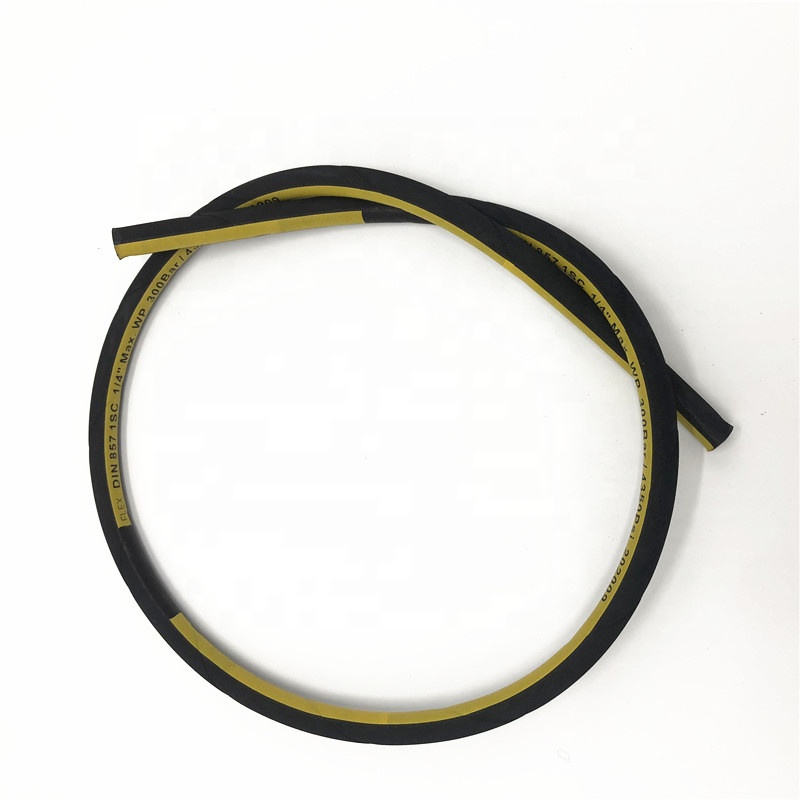
The performance of EN 853 2SN hoses is primarily defined by their pressure rating, burst pressure, and impulse performance. Pressure rating, specified in bar or PSI, indicates the maximum working pressure the hose can safely sustain during continuous operation. Burst pressure is the pressure at which the hose fails catastrophically, typically four times the working pressure. Impulse performance refers to the hose’s ability to withstand pressure pulsations or spikes without failure. This is particularly critical in hydraulic systems with reciprocating pumps or shock loads.
Engineering considerations involve force analysis to determine stress distribution within the hose under pressure. Finite Element Analysis (FEA) is often employed to model the hose’s behavior and optimize its design. Environmental resistance is also a key factor. Hoses operating in extreme temperatures, exposure to corrosive chemicals, or UV radiation require specialized rubber compounds and protective measures. Compliance requirements dictated by EN 853 include dimensional tolerances, material specifications, and testing procedures. Hose assemblies must meet specific performance criteria, including leak tightness and resistance to kink or twist. The selection of end fittings is critical to ensure a secure and leak-free connection. Fittings must be compatible with the hose material and rated for the same working pressure.
Technical Specifications
| Parameter | Specification (Typical) | Test Standard | Units |
|---|---|---|---|
| Working Pressure | Up to 315 | EN 853 | bar |
| Burst Pressure | 1260 | EN 853 | bar |
| Inner Tube Material | Nitrile Rubber (NBR) | ASTM D2000 | - |
| Reinforcement | Two Steel Wire Braids | EN 10277 | - |
| Outer Cover Material | Chloroprene (CR) / NBR Blend | ASTM D2000 | - |
| Temperature Range | -40 to +100 | EN 853 | °C |
Failure Mode & Maintenance
Common failure modes in EN 853 2SN hoses include fatigue cracking, particularly at the crimp points of end fittings, due to cyclic pressure loading. Abrasion of the outer cover can lead to exposure of the reinforcement layers, increasing the risk of corrosion and eventual hose failure. Internal degradation of the inner tube due to chemical attack or heat can cause swelling, cracking, and loss of flexibility. Kinking or twisting can damage the reinforcement and restrict fluid flow. External damage, such as cuts or punctures, can compromise the hose’s structural integrity.
Maintenance involves regular visual inspections to identify signs of wear, damage, or leakage. Hoses should be replaced if any cracks, bulges, or abrasions are detected. Proper routing and support are essential to prevent kinking and abrasion. Avoid sharp bends and ensure adequate clearance from moving parts. Regularly check the tightness of end fittings. Keep hose connections clean and free from contaminants. Fluid compatibility must be verified to prevent internal degradation. When replacing hoses, use only certified components and ensure proper crimping procedures are followed. Maintain a record of hose inspections and replacements to track performance and identify potential issues.
Industry FAQ
Q: What is the significance of the 'SN' designation in EN 853 2SN?
A: The 'SN' denotes a non-skived construction with a spiral-wound steel wire reinforcement. This construction provides high pressure capability and flexibility. The '2' indicates two layers of this reinforcement, increasing the hose’s pressure resistance.
Q: How does temperature affect the performance of an EN 853 2SN hose?
A: Extreme temperatures can degrade the rubber compounds, reducing their elasticity and increasing the risk of cracking. High temperatures can also accelerate chemical reactions, leading to internal degradation. Operating outside the specified temperature range can significantly shorten the hose’s lifespan.
Q: What are the key differences between NBR and EPDM inner tube materials?
A: NBR offers excellent resistance to petroleum-based hydraulic fluids and abrasion. EPDM is more suitable for phosphate ester fluids and provides superior resistance to heat, ozone, and weathering. The choice depends on the specific fluid being conveyed and the operating environment.
Q: What causes crimp failure in hose assemblies?
A: Crimp failure can be caused by improper crimping procedures, corrosion of the fitting or hose, fatigue cracking due to cyclic pressure loading, or exceeding the hose’s pressure rating. Regular inspection of crimp connections is crucial.
Q: How important is proper hose routing and support?
A: Proper routing and support are vital to prevent kinking, abrasion, and excessive stress on the hose. Kinking can damage the reinforcement, while abrasion can wear through the outer cover. Supporting the hose prevents sagging and reduces strain on the connections.
Conclusion
EN 853 2SN hydraulic hoses represent a robust and reliable solution for fluid power transmission in demanding industrial applications. Their construction, utilizing high-tensile steel wire reinforcement and carefully selected rubber compounds, provides exceptional pressure resistance, flexibility, and durability. Understanding the material science, manufacturing processes, and performance characteristics of these hoses is essential for selecting the appropriate hose for a given application and ensuring long-term operational reliability.
Proactive maintenance practices, including regular inspections and adherence to recommended operating parameters, are critical for maximizing hose lifespan and preventing catastrophic failures. The information detailed within this guide serves as a comprehensive resource for engineers, procurement professionals, and maintenance personnel involved in the specification, installation, and maintenance of EN 853 2SN hydraulic hose assemblies.