
Apr . 01, 2024 17:55 Back to list
en853 1sn Hydraulic Hose Performance Analysis
Introduction
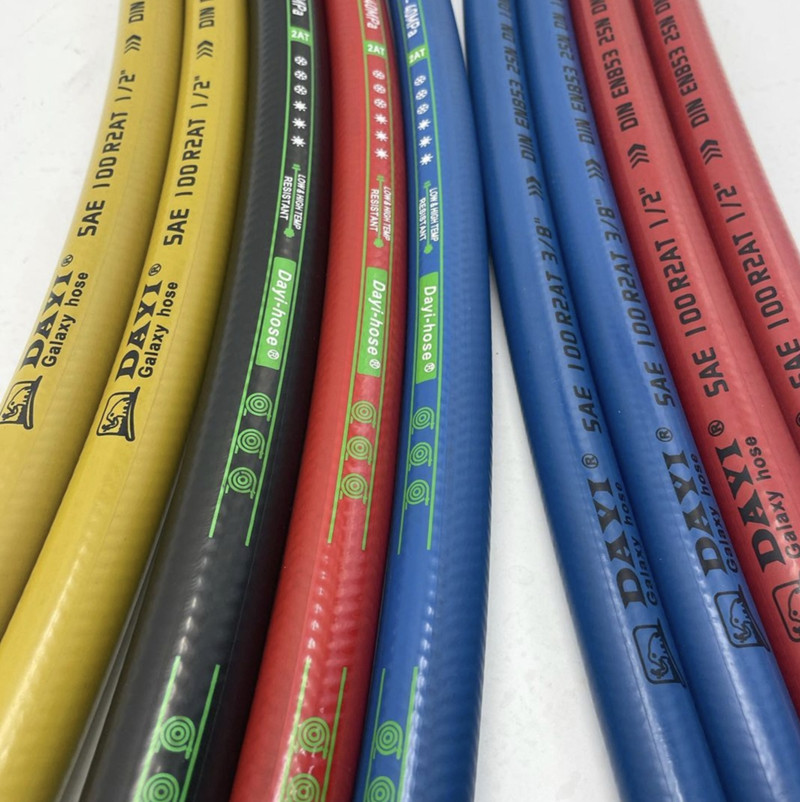
EN 853 1SN designates a hydraulic hose conforming to the European standard EN 853, specifically a single-wire spiral reinforced rubber hose. This hose type is engineered for medium-to-high pressure applications, primarily within hydraulic systems found in mobile machinery, agricultural equipment, construction machinery, and industrial applications. Its primary function is the reliable transmission of hydraulic fluid, typically mineral oil-based, under demanding conditions. The ‘1SN’ designation signifies a single high-tensile steel wire spiral embedded within the rubber matrix, providing the reinforcement necessary to withstand internal pressures and external stresses. Core performance characteristics include burst pressure, working pressure, temperature range, and fluid compatibility, all crucial considerations for ensuring system safety and longevity. A significant industry pain point is maintaining consistent hose performance across varying operating temperatures and fluid types, requiring careful material selection and manufacturing control.
Material Science & Manufacturing
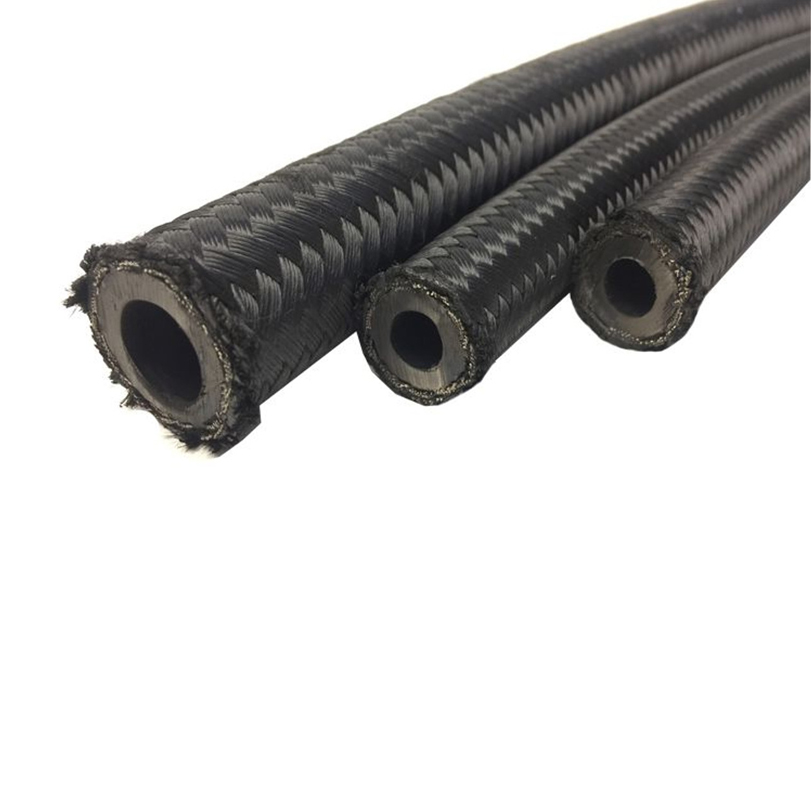
The construction of an EN 853 1SN hose relies on several key materials. The inner tube is typically composed of a Nitrile Rubber (NBR) compound, chosen for its excellent resistance to mineral oils, fuels, and hydraulic fluids. However, other materials like Chloroprene (CR) are employed for specialized applications requiring enhanced heat or chemical resistance. The reinforcement layer consists of a single high-tensile strength steel wire, manufactured from carbon steel, and spirally wound to provide structural integrity. The outer cover is commonly a Chloroprene (CR) rubber, offering abrasion resistance, weather protection, and resistance to ozone cracking. Manufacturing begins with the extrusion of the inner tube, followed by the precise winding of the steel wire reinforcement onto a mandrel. This is crucial, as consistent tension and spacing of the wire are paramount to achieving the specified burst pressure. The outer cover is then extruded over the reinforced inner tube. Critical parameters during manufacturing include rubber compound mixing ratios (influencing flexibility, temperature resistance, and chemical compatibility), wire tension control (directly affecting burst pressure and fatigue life), and vulcanization temperature and time (determining the rubber's final properties, including hardness and elasticity). Poor vulcanization can lead to inadequate cross-linking, reducing strength and increasing susceptibility to degradation. Post-production testing includes hydrostatic pressure testing, impulse testing, and dimensional verification to ensure compliance with EN 853 standards.
Performance & Engineering
The performance of an EN 853 1SN hose is governed by fundamental engineering principles. Force analysis centers around the hoop stress within the hose wall, dictated by the internal hydraulic pressure. The steel wire reinforcement is designed to resist tensile forces generated by this pressure. The allowable working pressure is a fraction of the burst pressure, typically defined by a safety factor dictated by the standard. Environmental resistance is crucial; prolonged exposure to extreme temperatures (both high and low) can affect the rubber compounds, reducing their flexibility and increasing the risk of cracking. Furthermore, exposure to UV radiation and ozone can degrade the outer cover. The hose must also exhibit resistance to external abrasion and impact. Compliance requirements are strictly enforced by EN 853, which outlines specific test methods for burst pressure, impulse pressure, temperature range, and fluid compatibility. Detailed calculations are performed during the design phase to ensure the reinforcement wire has sufficient cross-sectional area to withstand the maximum anticipated pressure and provide a suitable safety margin. The dimensional stability of the hose – particularly its inner diameter – is also critical, as variations can impact flow rates and system efficiency. A common failure mode stemming from inadequate engineering is the occurrence of wire fracture due to fatigue from repeated pressure cycling.
Technical Specifications
| Parameter | Unit | Typical Value (1SN) | Test Standard |
|---|---|---|---|
| Working Pressure | MPa | 16 | EN 853 |
| Burst Pressure | MPa | 48 | EN 853 |
| Temperature Range | °C | -40 to +100 | EN 853 |
| Inner Tube Material | - | NBR | EN 853 |
| Reinforcement | - | Single High-Tensile Steel Wire Spiral | EN 853 |
| Outer Cover Material | - | CR | EN 853 |
Failure Mode & Maintenance
EN 853 1SN hoses are susceptible to several failure modes. Fatigue cracking, originating from the steel wire reinforcement, is a common issue, particularly in applications involving frequent pressure pulsations. This is exacerbated by improper hose routing, leading to bending stresses. Delamination, the separation of the rubber layers, can occur due to poor bonding during manufacturing or exposure to incompatible fluids. Rubber degradation, manifested as cracking and hardening, results from prolonged exposure to UV radiation, ozone, and high temperatures. Oxidation of the rubber compounds contributes to loss of flexibility and strength. Another significant failure mode is hose kinking, leading to restricted flow and potential burst. Maintenance involves regular visual inspections for signs of cracking, abrasion, or swelling. Hose routing should be optimized to minimize bending and twisting. Fluid compatibility must be verified to prevent chemical attack. Periodic pressure testing can identify potential weaknesses before they lead to catastrophic failure. If damage is detected, the hose must be replaced immediately. Proper storage is also crucial, keeping hoses away from direct sunlight, extreme temperatures, and ozone sources. Avoid storing hoses near solvents or chemicals that could cause degradation.
Industry FAQ
Q: What is the significance of the safety factor in determining the working pressure of an EN 853 1SN hose?
A: The safety factor is a critical parameter that accounts for uncertainties in manufacturing, operating conditions, and potential dynamic loads. A higher safety factor (typically 4:1, as implied by the burst-to-working pressure ratio) provides a greater margin of error and reduces the risk of failure. It is essential to select a hose with a working pressure rating that exceeds the maximum system pressure, considering potential pressure spikes and fluctuations.
Q: How does temperature affect the performance of an EN 853 1SN hose?
A: Temperature impacts the rubber compounds' physical properties. High temperatures can reduce the rubber’s tensile strength and elasticity, increasing susceptibility to cracking and degradation. Low temperatures can cause the rubber to become stiff and brittle, reducing its flexibility and potentially leading to cracking during bending. The specified temperature range in the EN 853 standard must be adhered to.
Q: What fluid compatibility considerations are crucial when selecting an EN 853 1SN hose?
A: Incompatibility between the hose's inner tube material and the hydraulic fluid can cause swelling, softening, or cracking of the rubber, leading to premature failure. NBR is generally compatible with mineral oils, but other fluids like phosphate esters or synthetic fluids may require specialized rubber compounds (e.g., Viton). Always verify fluid compatibility before use.
Q: How can I prevent fatigue failure in an EN 853 1SN hose?
A: Minimize pressure pulsations by using accumulators or pulsation dampeners in the hydraulic system. Ensure proper hose routing to avoid sharp bends and twisting. Select a hose with sufficient reinforcement to withstand the anticipated pressure cycles. Regularly inspect the hose for signs of wear and replace it if any damage is detected.
Q: What are the key differences between EN 853 1SN and 2SN hoses?
A: The primary difference is the reinforcement layer. EN 853 2SN hoses utilize two steel wire spirals, providing significantly higher burst pressure and greater structural integrity compared to 1SN hoses. 2SN hoses are typically used in higher-pressure applications and are more resistant to fatigue.
Conclusion
EN 853 1SN hoses represent a reliable and cost-effective solution for medium-to-high pressure hydraulic applications. Understanding the material science, manufacturing processes, and performance characteristics is crucial for selecting the appropriate hose for a given application. Proper installation, maintenance, and attention to fluid compatibility are essential for maximizing hose life and ensuring system safety.
The ongoing development of rubber compounds and manufacturing techniques continues to improve the performance and durability of EN 853 1SN hoses. Future advancements may focus on enhancing resistance to extreme temperatures, improving chemical compatibility, and reducing weight without compromising strength. Adherence to international standards and rigorous quality control remain paramount for ensuring consistent and reliable performance.