
Apr . 01, 2024 17:55 Back to list
en 857 2sc hydraulic hose Performance Analysis
Introduction
EN 857 2SC hydraulic hose represents a critical component in fluid power systems across a diverse range of industries, including construction, agriculture, mining, and manufacturing. This hose standard, defined by the European Norm 857, specifically designates a two-steel-wire spiral reinforced construction (2SC) suitable for high-pressure hydraulic applications. Positioned within the hydraulic system as the conduit for transmitting pressurized fluid – typically mineral oil, synthetic esters, or water-glycol based fluids – it directly impacts system efficiency, reliability, and safety. Its core performance characteristics are defined by its working pressure, burst pressure, temperature range, and fluid compatibility. Unlike rubber hoses intended for low-pressure applications, the 2SC reinforcement provides the structural integrity necessary to withstand extreme pressures and dynamic loading, preventing catastrophic failure and ensuring operational continuity. The increasing demands for higher operating pressures in modern hydraulic machinery necessitate a thorough understanding of EN 857 2SC hose construction, material properties, and proper implementation. The key pain point within the industry resides in selecting the correct hose specification to prevent premature failure caused by exceeding pressure limits, chemical incompatibility, or environmental degradation. Improper selection leads to downtime, costly repairs, and potential safety hazards.
Material Science & Manufacturing
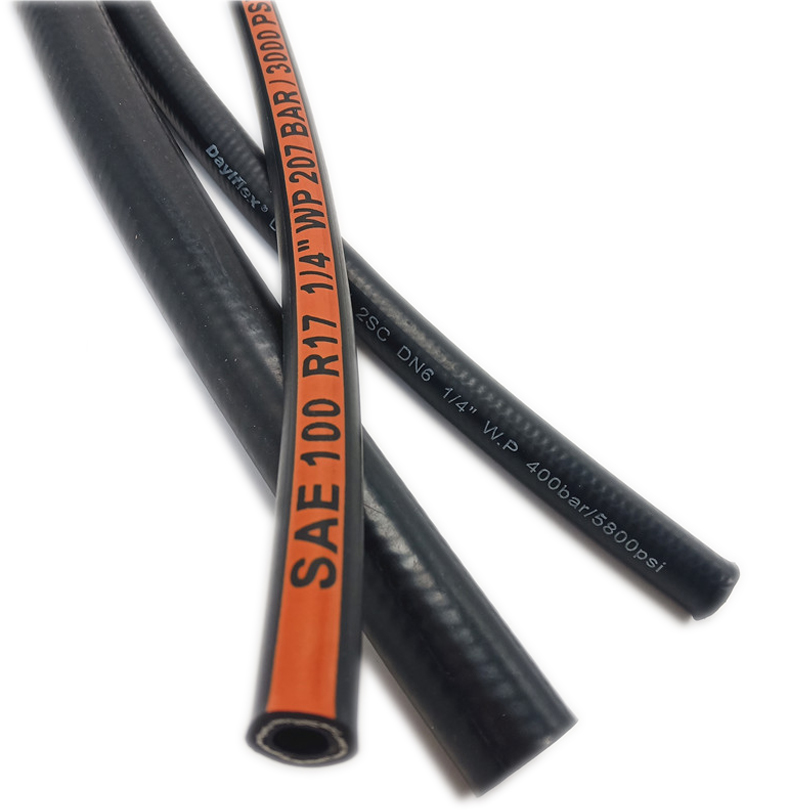
The EN 857 2SC hose is a composite structure consisting primarily of a synthetic rubber inner tube, multiple layers of high-tensile steel wire spirally wound for reinforcement, and an abrasion and weather-resistant outer cover. The inner tube is typically composed of Nitrile Rubber (NBR) due to its excellent resistance to petroleum-based hydraulic fluids. However, for specialized applications requiring compatibility with phosphate ester fluids, Ethylene Propylene Diene Monomer (EPDM) rubber is frequently employed. NBR exhibits a hardness range of 40-60 Shore A, influencing its flexibility and resistance to abrasion. The steel wire used for reinforcement is typically high-carbon steel, drawn and treated to achieve optimal tensile strength (typically >1770 MPa) and fatigue resistance. The manufacturing process involves spirally winding the steel wire around a mandrel, followed by the extrusion of the inner and outer rubber layers. Critical parameters during extrusion include temperature control (140-180°C) to ensure proper vulcanization and bonding between layers. Post-extrusion, the hose undergoes a curing process, typically utilizing steam or hot air at elevated temperatures (150-170°C for several hours) to cross-link the rubber molecules, enhancing its mechanical properties and chemical resistance. Quality control measures include dimensional checks, pressure testing to 1.5 times the working pressure, and visual inspection for defects like porosity or incomplete bonding. The outer cover commonly utilizes a Chloroprene rubber (CR) compound, known for its resistance to ozone, weathering, and abrasion. The selection of appropriate rubber compounds and precise control of the manufacturing process are critical to achieving consistent performance and longevity.
Performance & Engineering
The performance of an EN 857 2SC hydraulic hose is dictated by its ability to withstand internal pressure, external damage, and environmental factors. Force analysis centers on hoop stress within the rubber liner, which is directly proportional to the internal pressure and hose diameter. The steel wire reinforcement significantly reduces this stress, preventing ballooning and rupture. The hose must also resist axial forces generated by pressure and bending. Bending radii are crucial; exceeding the minimum bend radius induces stress concentrations at the inner curvature, leading to fatigue cracking. Environmental resistance is paramount. Prolonged exposure to ultraviolet (UV) radiation degrades the outer cover, reducing its elasticity and increasing the risk of cracking. Temperature extremes – both high and low – affect rubber flexibility and pressure capacity. At elevated temperatures, the rubber softens, decreasing its burst pressure. At low temperatures, it becomes brittle and susceptible to cracking upon bending. Compliance requirements, dictated by EN 857, specify stringent testing procedures for pressure resistance, impulse testing (simulating pressure pulsations), and dimensional accuracy. Additionally, the hose must comply with REACH and RoHS regulations regarding restricted chemical substances. Furthermore, the hose’s resistance to fluid compatibility is crucial; prolonged exposure to incompatible fluids can cause swelling, softening, or degradation of the rubber, leading to leaks or failure. The selection of appropriate end fittings, correctly crimped to the hose, is equally vital to maintaining the integrity of the hydraulic connection and preventing blow-offs.
Technical Specifications
| Parameter | Specification (Typical) | Testing Standard | Units |
|---|---|---|---|
| Working Pressure | 315 | EN 857 | bar |
| Burst Pressure | 945 | EN 857 | bar |
| Temperature Range | -40 to +100 | EN 857 | °C |
| Inner Tube Material | Nitrile Rubber (NBR) / EPDM | ASTM D2000 | - |
| Reinforcement | Two Steel Wire Spirals | EN 857 | - |
| Outer Cover Material | Chloroprene Rubber (CR) | ASTM D2000 | - |
Failure Mode & Maintenance
EN 857 2SC hydraulic hoses are susceptible to several failure modes. Fatigue cracking, initiated by repeated bending and pressure pulsations, is a common issue, often originating at the inner radius of the bend. Delamination, the separation of rubber layers, can occur due to inadequate bonding during manufacturing or prolonged exposure to incompatible fluids. Oxidation of the rubber compounds, accelerated by high temperatures and exposure to oxygen, leads to hardening and cracking. Abrasion of the outer cover, caused by rubbing against abrasive surfaces, exposes the reinforcement to corrosion. Internal corrosion, particularly in systems using fluids with insufficient corrosion inhibitors, can weaken the steel wire reinforcement. Impulse pressures exceeding the hose’s capacity cause immediate rupture. Maintenance involves regular visual inspection for signs of wear, cracking, or swelling. Hoses should be replaced if any defects are observed. Proper routing is essential, avoiding sharp bends and contact with hot surfaces or abrasive materials. Ensure compatibility of the hose material with the hydraulic fluid. Implement a preventative maintenance schedule, including periodic pressure testing and replacement based on service life or operating conditions. Crimping of end fittings must be verified for proper indentation and sealing. Storage of hoses should be in a cool, dry place away from direct sunlight and ozone sources. Always depressurize the system before disconnecting hoses.
Industry FAQ
Q: What is the impact of exceeding the minimum bend radius on hose lifespan?
A: Exceeding the minimum bend radius introduces significant stress concentrations on the inner radius of the hose, particularly at the steel wire reinforcement. This localized stress accelerates fatigue cracking, substantially reducing the hose’s operational lifespan. Over time, repeated bending beyond the specified radius leads to progressive degradation of the rubber matrix and eventual failure.
Q: How does fluid contamination affect the performance of EN 857 2SC hoses?
A: Fluid contamination, specifically particulate matter, acts as an abrasive agent, accelerating wear and tear on the inner tube. This can lead to reduced wall thickness, increased permeability, and eventual leaks. Furthermore, certain contaminants can chemically react with the rubber compounds, causing swelling, softening, or degradation. Maintaining fluid cleanliness through proper filtration is paramount.
Q: What is the significance of impulse testing in EN 857 certification?
A: Impulse testing simulates the pressure pulsations commonly encountered in hydraulic systems, mimicking the dynamic loading experienced by the hose during operation. This test assesses the hose’s resistance to fatigue failure under cyclic pressure loads. Successful completion of impulse testing is crucial for ensuring the hose’s reliability in real-world applications.
Q: Can EN 857 2SC hoses be used with biodegradable hydraulic fluids?
A: While some biodegradable hydraulic fluids may be compatible, it’s crucial to verify compatibility with the specific rubber compounds used in the hose construction. Biodegradable fluids often contain esters or other chemicals that can cause swelling or degradation of nitrile rubber (NBR), reducing its pressure capacity and lifespan. EPDM is generally more resistant, but specific fluid testing is always recommended.
Q: What are the key differences between NBR and EPDM inner tube materials?
A: NBR offers excellent resistance to petroleum-based hydraulic fluids, making it the standard choice for most applications. However, it has limited resistance to phosphate ester fluids. EPDM, conversely, is highly resistant to phosphate ester fluids but exhibits lower resistance to petroleum-based fluids. The selection depends entirely on the hydraulic fluid being used in the system.
Conclusion
The EN 857 2SC hydraulic hose stands as a robust and reliable component essential for high-pressure fluid power transmission. Its multi-layered construction, utilizing carefully selected materials and rigorously controlled manufacturing processes, ensures its ability to withstand demanding operating conditions. A thorough understanding of its material science, performance characteristics, and potential failure modes is crucial for proper selection, installation, and maintenance, maximizing its lifespan and preventing costly downtime.
Ultimately, achieving optimal performance and longevity requires a holistic approach that considers not only the hose itself but also the compatibility of the hydraulic fluid, the integrity of the end fittings, and adherence to recommended operating parameters. Continued advancements in rubber technology and manufacturing techniques will further enhance the performance and durability of EN 857 2SC hoses, meeting the evolving demands of modern hydraulic systems.