
Apr . 01, 2024 17:55 Back to list
en 856 4sh hydraulic hose Performance Analysis
Introduction
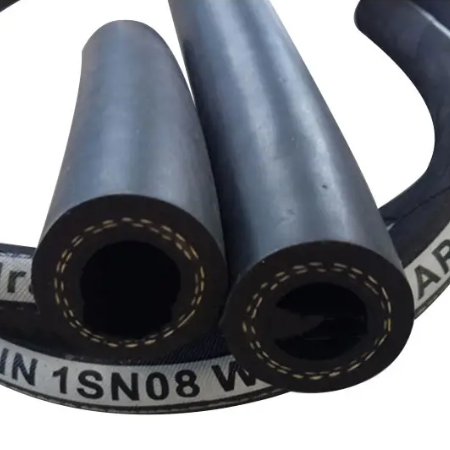
EN 856 4SH hydraulic hose represents a critical component in fluid power systems across diverse industrial applications, including construction machinery, agricultural equipment, and manufacturing processes. Classified under European standard EN 856, the 4SH designation indicates a hose constructed with four steel wire spiral reinforcement layers, providing exceptional pressure resistance and durability. This hose type is engineered for the conveyance of hydraulic fluids under high-pressure conditions, typically ranging up to 400 bar (5800 psi), and often employs a synthetic rubber inner tube compatible with a broad spectrum of hydraulic oils. Its primary function is to reliably transmit hydraulic power while maintaining fluid integrity and resisting environmental factors. A key industry pain point centers around ensuring consistent dimensional accuracy and burst pressure performance, as failures can lead to significant downtime and safety hazards. Understanding the intricacies of its construction, material properties, and performance characteristics is paramount for engineers and procurement specialists alike.
Material Science & Manufacturing
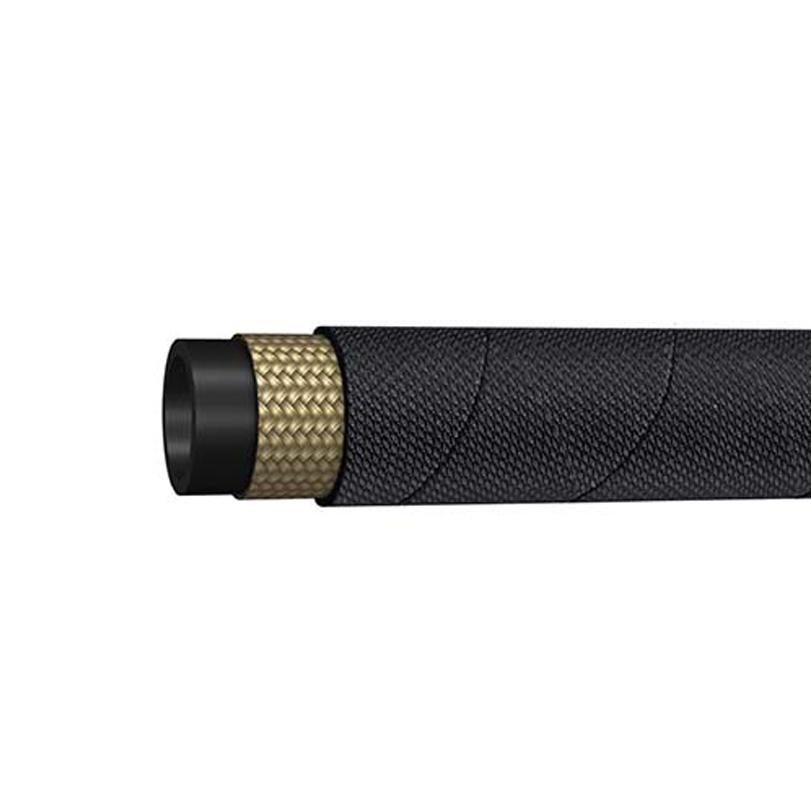
The EN 856 4SH hydraulic hose construction begins with the inner tube, commonly composed of synthetic rubber such as nitrile (NBR) or ethylene propylene diene monomer (EPDM). NBR offers excellent resistance to petroleum-based hydraulic fluids, while EPDM demonstrates superior resistance to heat, ozone, and weathering. The selection hinges on the specific application and fluid compatibility requirements. Following the inner tube is a multi-layer reinforcement structure. This consists of four spirally wound steel wire layers, meticulously applied with a precise helix angle to provide flexibility and exceptional burst strength. The steel wire itself is typically high-tensile steel, surface treated to enhance adhesion with the surrounding rubber compounds and inhibit corrosion. An exterior cover, generally composed of chloroprene (CR) or polyurethane (PU), provides abrasion resistance, oil resistance, and protection against environmental degradation. Manufacturing processes include extrusion for the inner tube and cover, followed by precise winding of the steel wire reinforcement. Critical process parameters include extrusion temperature, wire tension during winding, and vulcanization time and temperature. Vulcanization, a chemical process involving sulfur, is vital for cross-linking the rubber polymers, imparting elasticity, strength, and resistance to deformation. Quality control necessitates rigorous testing throughout the process, including dimensional checks, adhesion tests, and burst pressure testing to ensure adherence to EN 856 specifications. Improper vulcanization, inconsistent wire winding, or inadequate material selection can lead to premature failure.
Performance & Engineering
The performance of EN 856 4SH hoses is primarily governed by its pressure rating, temperature range, and flexibility. The standard specifies minimum burst pressures four times the working pressure, providing a substantial safety margin. Force analysis during hydraulic system operation reveals significant tensile and shear stresses within the hose walls, particularly at fittings and bends. Fatigue resistance is thus a critical engineering consideration. The four-layer steel wire reinforcement is specifically designed to withstand these cyclic stresses without permanent deformation or fracture. Environmental resistance, including exposure to oil, chemicals, and UV radiation, is addressed through the selection of appropriate rubber compounds for the inner tube and cover. The hose must maintain its flexibility and dimensional stability across a wide temperature range, typically -40°C to +100°C, although specific limits depend on the rubber composition. Compliance requirements necessitate adherence to EN 856 standards, including hydrostatic testing, impulse testing, and aging tests. These tests simulate real-world operating conditions to verify the hose's long-term reliability. Proper fitting selection and installation are also crucial. Incorrect fittings or improper crimping can create stress concentrations, leading to premature failure. Additionally, avoiding sharp bends and maintaining a sufficient bend radius are vital to prevent kinking and damage to the reinforcement layers.
Technical Specifications
| Parameter | Unit | Specification (Typical) | Testing Standard |
|---|---|---|---|
| Working Pressure | bar | 315 | EN 856 |
| Burst Pressure | bar | 1260 | EN 856 |
| Inner Tube Material | - | NBR (Nitrile Rubber) | ASTM D2000 |
| Reinforcement | Layers | 4 Steel Wire Spiral | EN 856 |
| Cover Material | - | CR (Chloroprene Rubber) | ASTM D2000 |
| Temperature Range | °C | -40 to +100 | EN 856 |
Failure Mode & Maintenance
Common failure modes in EN 856 4SH hydraulic hoses include burst failure due to exceeding pressure limits, fatigue cracking from repeated bending and flexing, and degradation of the rubber compounds due to exposure to heat, oil, or ozone. Burst failures typically originate at weak points in the hose wall, such as damaged reinforcement wires or imperfections in the rubber matrix. Fatigue cracking often initiates at fitting connections or areas of high stress concentration. Rubber degradation manifests as hardening, cracking, and loss of elasticity, reducing the hose's ability to withstand pressure and maintain a tight seal. Failure analysis reveals that improper installation, such as over-tightening fittings or exceeding the minimum bend radius, significantly accelerates failure rates. Maintenance best practices include regular visual inspections for signs of wear, cracks, or leaks. Hose assemblies should be pressure tested periodically to verify their integrity. Fluid contamination can also contribute to failure; therefore, maintaining clean hydraulic fluid is essential. When replacing hoses, it's critical to use fittings specifically designed for EN 856 4SH hoses and to follow proper crimping procedures. Damaged hoses should be removed from service immediately and replaced with new assemblies. Preventative maintenance programs, including scheduled inspections and fluid analysis, can significantly extend hose life and minimize downtime.
Industry FAQ
Q: What is the impact of fluid compatibility on the lifespan of an EN 856 4SH hose?
A: Fluid compatibility is paramount. Using a hydraulic fluid not compatible with the inner tube material (NBR or EPDM) can cause swelling, softening, or degradation of the rubber, leading to leaks and premature failure. Always verify fluid compatibility before installation. Phosphate ester fluids, for example, require specialized inner tube materials.
Q: How does temperature affect the working pressure of the hose?
A: Working pressure is derated at higher temperatures. While the standard specifies a maximum operating temperature, exceeding this temperature reduces the hose's ability to withstand pressure. Refer to the manufacturer’s specifications for derating factors at elevated temperatures.
Q: What are the key considerations when selecting fittings for EN 856 4SH hoses?
A: Fittings must be specifically designed and rated for EN 856 4SH hoses. Using incorrect fittings can create stress concentrations and lead to premature failure. Ensure proper crimping procedures are followed, and the fitting material is compatible with both the hose and the hydraulic fluid.
Q: How can I identify signs of fatigue cracking in a hose?
A: Look for small cracks or fissures on the hose cover, particularly near fittings or bends. Also, inspect for localized bulges or distortions in the hose wall. Regular visual inspections are crucial for early detection.
Q: What role does proper hose routing play in extending service life?
A: Proper hose routing minimizes bending stress and abrasion. Avoid sharp bends, direct contact with hot surfaces, and areas where the hose could be damaged by moving parts. Ensure sufficient clearance and use appropriate support clamps to prevent sagging or whipping.
Conclusion
The EN 856 4SH hydraulic hose remains a vital component in demanding hydraulic applications, offering a robust solution for high-pressure fluid conveyance. Its performance is intrinsically linked to material selection, manufacturing precision, and adherence to stringent quality control measures. Understanding the interplay between these factors is crucial for optimizing hose lifespan and minimizing system downtime.
Ultimately, successful implementation relies not only on the hose itself but also on correct installation practices, regular maintenance, and a thorough understanding of potential failure modes. By prioritizing these aspects, engineers and operators can ensure the reliable and safe operation of hydraulic systems employing EN 856 4SH hoses.