
Apr . 01, 2024 17:55 Back to list
dunlop hydraulic hose Performance Analysis
Introduction
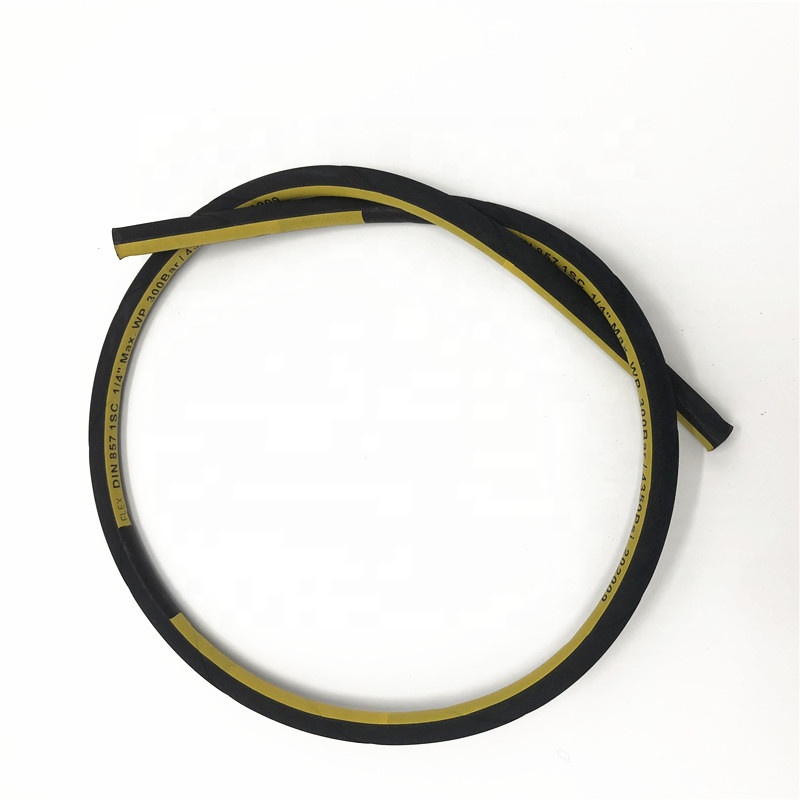
Dunlop hydraulic hose constitutes a critical component within fluid power systems, responsible for the reliable transmission of hydraulic fluid to actuators and machinery. Its technical position in the industry chain is as a finished good, dependent on upstream suppliers of synthetic rubbers, reinforcing materials, and coupling manufacturers. Dunlop hoses are typically utilized in mobile hydraulics (construction equipment, agricultural machinery), industrial hydraulics (manufacturing presses, injection molding machines), and specialized applications like oil & gas and mining. Core performance characteristics center around pressure capability, temperature resistance, fluid compatibility, and resistance to abrasion and kinking. Understanding these parameters is crucial for selecting the appropriate hose for a given application and ensuring system longevity and safety. The industry continually faces challenges relating to hose lifespan, particularly in demanding applications involving high pressures, aggressive fluids, and extreme temperatures. Improving abrasion resistance, minimizing fluid permeation, and enhancing bend radius performance remain key areas of ongoing development.
Material Science & Manufacturing
Dunlop hydraulic hoses are predominantly constructed from a multi-layered design. The inner tube, in direct contact with the hydraulic fluid, is commonly composed of synthetic rubbers such as Nitrile (NBR), Ethylene Propylene Diene Monomer (EPDM), or Fluorocarbon (FKM - Viton). NBR offers good resistance to petroleum-based fluids but limited temperature range. EPDM excels in phosphate ester resistance and high-temperature applications. FKM provides superior chemical resistance and high-temperature performance, but at a higher cost. The reinforcement layer typically consists of multiple plies of high-tensile steel wire, spirally wound or braided, determining the hose's pressure rating. Textile reinforcement (e.g., polyester or aramid) may be incorporated for enhanced flexibility. The outer cover is usually a Chloroprene rubber (CR) compound formulated for abrasion resistance, weathering, and oil resistance.
Manufacturing involves several key processes. The inner tube is extruded through a die, establishing the bore diameter and wall thickness. The reinforcement layer is then applied, either through spiral winding of wire or a braiding process. The outer cover is extruded over the reinforcement, encapsulating the structure. Critical parameters during extrusion include temperature control, screw speed, and die pressure to ensure consistent dimensions and material properties. Wire winding tension and braid angle are precisely controlled to achieve the specified pressure rating. Post-extrusion, hoses undergo curing (vulcanization) in an autoclave, crosslinking the rubber polymers to enhance their strength, elasticity, and chemical resistance. Quality control procedures include dimensional checks, pressure testing (burst and working pressure), and visual inspection for defects.
Performance & Engineering
The performance of a Dunlop hydraulic hose is governed by several engineering principles. Hoop stress, arising from internal fluid pressure, is a critical factor. The reinforcement layer is designed to withstand this stress and prevent hose rupture. The pressure rating of the hose is directly proportional to the cross-sectional area of the reinforcement and the material tensile strength. Fatigue analysis is vital, considering the cyclical pressure fluctuations experienced in most hydraulic systems. The hose must withstand millions of pressure cycles without failure. Bend radius is another key consideration. Exceeding the minimum bend radius can induce stress concentrations in the hose wall, leading to premature failure.
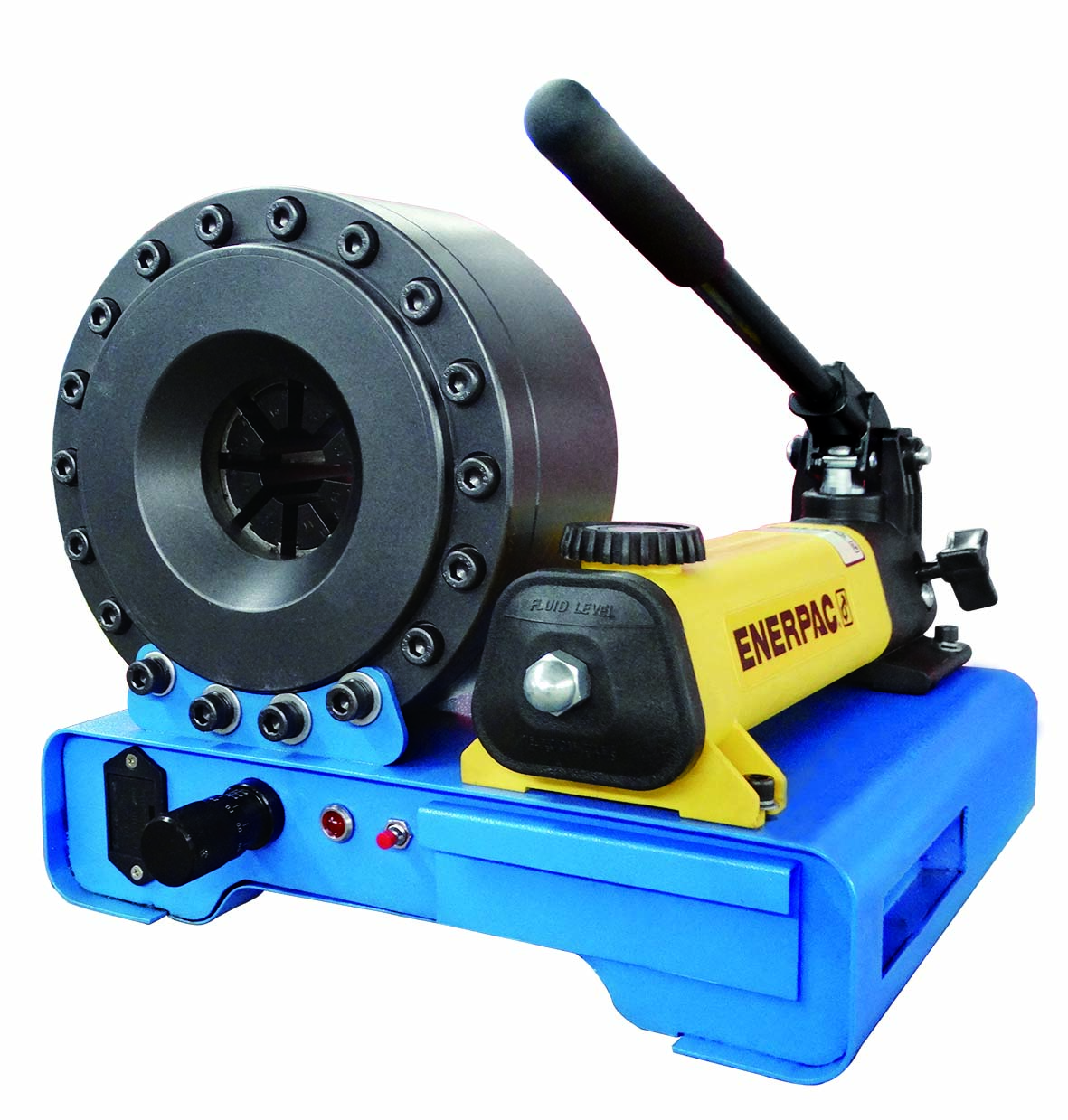
Environmental resistance is paramount. Hydraulic fluids can operate across a broad temperature range, and the hose material must maintain its flexibility and integrity in both extreme cold and elevated temperatures. Fluid compatibility is also crucial; incompatible fluids can cause swelling, degradation, or embrittlement of the rubber compounds. Compliance requirements, such as those outlined by SAE (Society of Automotive Engineers) standards (J517, J1926) and ISO standards (18753), dictate testing procedures and performance criteria for hydraulic hoses. These standards cover burst pressure, impulse pressure, temperature range, and fluid resistance. The selection of hose couplings and their proper installation are integral to system performance. Incorrectly crimped couplings can lead to leaks or hose separation.
Technical Specifications
| Parameter | Unit | SAE 100R2 AT | SAE 100R6 AT |
|---|---|---|---|
| Working Pressure | MPa | 20.7 | 21.0 |
| Burst Pressure | MPa | 82.7 | 84.0 |
| Temperature Range | °C | -40 to +100 | -40 to +100 |
| Inner Tube | Material | NBR | NBR |
| Reinforcement | Material | 2 Spiral Wire | 4 Spiral Wire |
| Outer Cover | Material | CR | CR |
Failure Mode & Maintenance
Dunlop hydraulic hoses are susceptible to several failure modes. Fatigue cracking, caused by repeated pressure cycles, typically initiates at imperfections in the reinforcement or at coupling crimps. Abrasion damage occurs due to external contact with abrasive surfaces, leading to wear and tear of the outer cover. Kinking, induced by excessive bending, can collapse the hose internally, restricting flow and causing pressure drop. Fluid permeation, the gradual diffusion of hydraulic fluid through the hose wall, can result in fluid loss and environmental contamination. Oxidation and UV degradation can embrittle the rubber compounds over time, reducing their flexibility and strength.
Preventive maintenance is crucial for maximizing hose lifespan. Regular visual inspections should be conducted to identify signs of damage, such as cracks, abrasions, kinks, or leaks. Hose routing should be optimized to minimize bending and contact with abrasive surfaces. Hydraulic fluid should be regularly analyzed for contamination, as abrasive particles can accelerate hose wear. Couplings should be inspected for corrosion and proper crimping. When replacing a hose, ensure the new hose meets or exceeds the original specifications. Avoid using damaged or mismatched components. Proper storage of hoses in a cool, dry, and dark environment can also extend their lifespan.
Industry FAQ
Q: What is the impact of fluid velocity on hydraulic hose life?
A: Higher fluid velocity increases the rate of erosion and fatigue within the hose. Excessive velocity can also cause cavitation, which creates localized pressure surges that can damage the inner tube. Maintaining fluid velocities within recommended limits (typically below 5-7 m/s) is crucial for extending hose life.
Q: How do different hose constructions (spiral vs. braided) affect performance?
A: Spiral wire reinforcement generally provides higher pressure ratings and improved flexibility compared to braided reinforcement. Braided hoses are typically more cost-effective but may exhibit lower flexibility and pressure capability. The choice depends on the specific application requirements.
Q: What are the risks associated with using incorrect hose couplings?
A: Incorrectly sized or improperly crimped couplings can lead to leaks, hose separation under pressure, and premature failure. Using couplings specifically designed for the hose type and pressure rating is essential for ensuring a reliable connection.
Q: How does temperature affect the performance of a hydraulic hose?
A: Extreme temperatures can significantly impact hose performance. High temperatures can cause the rubber compounds to soften and degrade, reducing their strength and flexibility. Low temperatures can cause the rubber to become brittle and prone to cracking. Always select a hose rated for the operating temperature range.
Q: What is the role of hose guards in protecting hydraulic hoses?
A: Hose guards provide a physical barrier against abrasion, cutting, and other external damage. They significantly extend hose lifespan in applications where hoses are exposed to harsh environments or potential impact hazards.
Conclusion
Dunlop hydraulic hose technology represents a complex interplay of material science, engineering design, and manufacturing processes. Proper hose selection, installation, and maintenance are critical for ensuring reliable performance, maximizing lifespan, and preventing catastrophic failures in hydraulic systems. Understanding the core performance characteristics, potential failure modes, and relevant industry standards is paramount for professionals involved in the design, operation, and maintenance of fluid power equipment.
Future developments in hydraulic hose technology are likely to focus on advanced materials with improved chemical resistance and temperature stability, coupled with innovative reinforcement designs to enhance pressure ratings and reduce weight. The integration of smart sensing technologies into hoses could enable real-time monitoring of hose condition and predictive maintenance, further optimizing system reliability and minimizing downtime. Continuous adherence to rigorous testing protocols and industry standards will remain essential for maintaining the integrity and safety of hydraulic systems.