
Apr . 01, 2024 17:55 Back to list
discount hydraulic hose Performance Analysis
Introduction
Discount hydraulic hose represents a cost-optimized solution for fluid power transmission in a broad spectrum of industrial, mobile, and agricultural applications. Positioned within the hydraulic system supply chain as a critical component, its performance directly impacts system efficiency, reliability, and safety. This guide details the material science, manufacturing processes, performance characteristics, potential failure modes, and maintenance protocols for these hoses, focusing on the tradeoffs associated with cost reduction strategies. Unlike premium hoses designed for extreme conditions and extended lifecycles, discount hydraulic hoses typically employ materials and manufacturing techniques prioritizing initial cost over longevity and resilience. Key performance characteristics include burst pressure, working pressure, temperature range, and fluid compatibility, all of which are affected by the constituent materials and construction methods. This analysis aims to provide a comprehensive technical understanding for procurement professionals, engineers, and maintenance personnel seeking to utilize discount hydraulic hose effectively and safely.
Material Science & Manufacturing
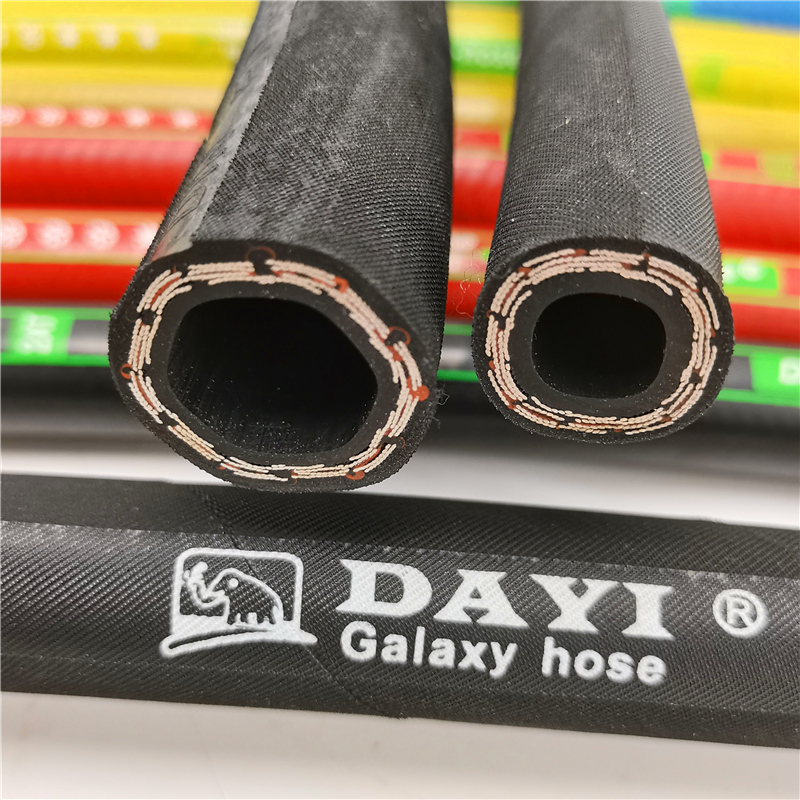
Discount hydraulic hoses commonly utilize a multi-layer construction, typically consisting of an inner tube, reinforcement layers, and an outer cover. The inner tube, responsible for fluid containment, is frequently made from synthetic rubbers such as SBR (Styrene-Butadiene Rubber) or NBR (Nitrile Butadiene Rubber). SBR offers good abrasion resistance and flexibility at a lower cost, but exhibits limited resistance to oils and fuels. NBR provides superior oil resistance, making it suitable for applications involving petroleum-based fluids, but at a higher material cost. Reinforcement layers typically consist of textile braids (polyester or nylon) or steel wire spirals. Textile braids are less expensive but provide lower pressure resistance compared to steel wire reinforcement. Steel wire spirals are used in higher-pressure applications, often with varying wire diameters and helix angles to control flexibility and burst strength. The outer cover is typically made from CR (Chloroprene Rubber) offering resistance to abrasion, weathering, and ozone.
Manufacturing processes involve extrusion of the inner tube and outer cover, followed by assembly with the reinforcement layers. Extrusion requires precise control of temperature, pressure, and screw speed to ensure consistent wall thickness and material homogeneity. Braiding machines interweave the textile fibers around the inner tube, while spiral winding machines apply the steel wire reinforcement. Quality control during manufacturing focuses on dimensional accuracy, material composition verification, and adhesion between layers. Parameter control is critical; variations in rubber compound formulation, braiding tension, or wire winding pitch can significantly impact hose performance. Post-processing often includes pressure testing to verify burst strength and leak testing to ensure fluid containment. Economically driven manufacturing often involves less stringent quality control procedures compared to premium hoses.
Performance & Engineering
The primary engineering concern with discount hydraulic hoses is maintaining sufficient pressure containment while balancing cost and flexibility. Force analysis centers on hoop stress within the hose wall, determined by the internal fluid pressure and hose diameter. Higher pressures necessitate thicker walls or stronger reinforcement layers. Fatigue life is a critical performance parameter, particularly in applications involving pulsating flow. Cyclic pressure fluctuations induce stress concentrations, potentially leading to premature failure. Environmental resistance is also a key consideration. Exposure to extreme temperatures, UV radiation, and corrosive fluids can degrade the rubber compounds, reducing hose flexibility and increasing the risk of cracking.
Compliance requirements vary by region and application. In Europe, hoses must meet EN 853 standards, specifying requirements for burst pressure, impulse pressure, and temperature range. In the United States, SAE J517 covers hydraulic hose performance characteristics. These standards dictate testing procedures and acceptable performance limits. Discount hoses may meet minimum compliance standards, but often exhibit lower safety margins compared to premium hoses. Fluid compatibility is also crucial. Incorrect fluid selection can cause swelling, softening, or degradation of the inner tube, leading to leaks and system failure. The selection of materials must consider the chemical properties of the fluid being conveyed, including viscosity, temperature, and chemical additives.
Technical Specifications
| Parameter | Typical Discount Hose Specification | Premium Hose Equivalent | Units |
|---|---|---|---|
| Working Pressure | 1500 - 2500 | 3000 - 5000 | PSI |
| Burst Pressure | 4500 - 7500 | 9000 - 15000 | PSI |
| Temperature Range | -40 to +100 | -55 to +120 | °C |
| Reinforcement Type | Textile Braid (Polyester/Nylon) | Spiral Steel Wire | - |
| Inner Tube Material | SBR/NBR Blend | Specialty Synthetic Rubber (e.g., EPDM) | - |
| Outer Cover Material | CR (Chloroprene) | CR/UHMWPE Blend | - |
Failure Mode & Maintenance
Common failure modes for discount hydraulic hoses include burst failure due to exceeding the working pressure, pinhole leaks caused by abrasion or chemical attack, and cracking due to fatigue or UV exposure. Fatigue cracking often initiates at stress concentration points, such as hose ends or areas of localized bending. Delamination, the separation of layers, can occur due to poor adhesion between the inner tube, reinforcement, and outer cover. Oxidation of the rubber compounds leads to hardening and cracking, especially in applications exposed to high temperatures or ozone. Improper installation, such as excessive bending or twisting, can also contribute to premature failure.
Preventive maintenance is crucial for extending the service life of discount hydraulic hoses. Regular visual inspections should be conducted to identify signs of wear, such as cracks, abrasions, or leaks. Hose routing should be optimized to minimize bending and twisting. Fluid contamination can accelerate hose degradation, so proper filtration is essential. When replacing hoses, ensure compatibility with the hydraulic fluid and operating conditions. Avoid using discount hoses in applications exceeding their specified pressure or temperature limits. Proper torque specifications must be followed during hose end assembly to prevent over-tightening or under-tightening, both of which can lead to leaks or failures. Periodic pressure testing can detect early signs of weakness before catastrophic failure occurs. Replacement schedules should be based on operating conditions and manufacturer recommendations, erring on the side of caution given the potentially lower safety margins of discount hoses.
Industry FAQ
Q: What is the primary difference between a discount hose and a premium hose in terms of lifespan?
A: Generally, a premium hose will have a significantly longer lifespan – often 3-5 times longer – due to higher quality materials, tighter manufacturing tolerances, and more robust construction. Discount hoses prioritize lower upfront cost, leading to reduced material thickness and potentially faster degradation from factors like heat, oil exposure, and abrasion.
Q: How does the reinforcement material affect the application suitability of a hydraulic hose?
A: The reinforcement material dictates the hose’s pressure capacity and flexibility. Textile braid reinforcement is less expensive but suitable for lower pressure applications. Steel wire reinforcement offers higher pressure ratings but reduces flexibility, requiring careful routing to avoid kinking.
Q: What is the impact of fluid incompatibility on the performance of a discount hose?
A: Fluid incompatibility can rapidly degrade the inner tube material, causing swelling, softening, or cracking. This leads to leaks and potential system failure. Selecting a hose with an inner tube material compatible with the specific hydraulic fluid is paramount, even with discount options.
Q: What preventative maintenance checks are most important for discount hydraulic hoses?
A: Regular visual inspection for cracks, abrasions, and leaks is critical. Ensure proper routing to minimize bending stress. Verify fluid cleanliness through filtration. And adhere to recommended replacement schedules based on operating conditions.
Q: Can a discount hose be used as a direct replacement for a premium hose in an existing system?
A: While it's possible in some cases, it’s rarely advisable. Carefully compare the working pressure, burst pressure, temperature range, and fluid compatibility specifications. If the discount hose doesn’t meet or exceed the original hose’s specifications, it introduces a potential safety hazard and risk of failure.
Conclusion
Discount hydraulic hoses offer a viable, cost-effective solution for fluid power transmission when applied appropriately. Their suitability hinges on a thorough understanding of their material limitations and performance characteristics. While they may not match the longevity or resilience of premium hoses, careful selection, proper installation, and diligent maintenance can maximize their service life and ensure safe operation. The key takeaway is that cost savings shouldn't compromise safety or system reliability.
Ultimately, the decision to utilize discount hydraulic hose requires a risk assessment, weighing the initial cost savings against the potential for premature failure and associated downtime or safety concerns. A comprehensive evaluation of operating conditions, fluid compatibility, and pressure requirements is essential. Investing in robust maintenance practices and adhering to recommended replacement schedules are crucial for mitigating the risks associated with lower-cost hose options.