
Apr . 01, 2024 17:55 Back to list
Diesse Hydraulic Hose Performance Analysis
Introduction
Diesse hydraulic hose represents a critical component in fluid power systems across diverse industries, including construction, agriculture, manufacturing, and oil & gas. These hoses are engineered for the reliable transmission of hydraulic fluid under high pressure and varying environmental conditions. Their technical positioning within the industrial chain lies between the hydraulic pump/reservoir and the actuators (cylinders, motors) that perform work. Unlike simple rubber tubing, Diesse hydraulic hose is a multi-layered construction designed to withstand extreme pressures, temperatures, and fluid compatibility requirements. Core performance characteristics include pressure rating (measured in PSI or Bar), burst pressure (a safety factor above working pressure), operating temperature range, and resistance to hydraulic fluids, abrasion, and ozone. The industry faces consistent challenges concerning hose longevity, leak prevention, and maintaining consistent performance in demanding applications, leading to a need for high-quality, robust hose solutions like those provided by Diesse.
Material Science & Manufacturing
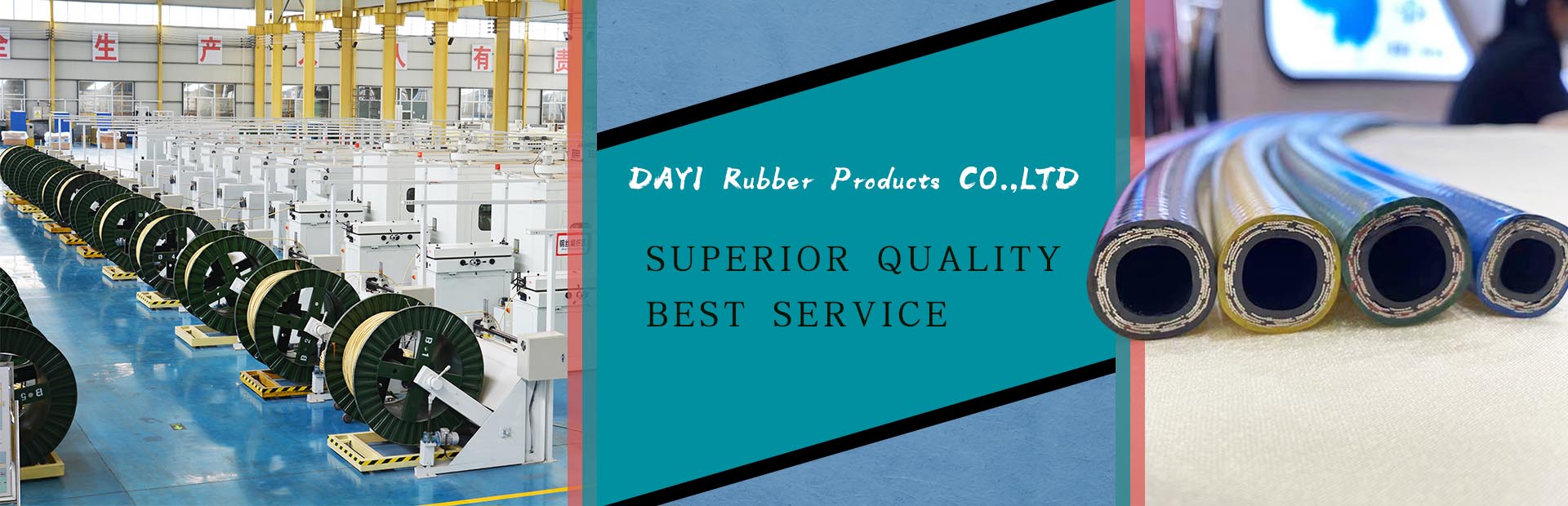
The construction of Diesse hydraulic hose typically involves several layers, each contributing to its overall performance. The inner tube is usually composed of a synthetic rubber compound, most commonly nitrile (NBR) for petroleum-based hydraulic fluids, or fluoroelastomers (FKM, like Viton) for applications demanding resistance to aggressive fluids and high temperatures. NBR offers good abrasion resistance and cost-effectiveness, while FKM provides superior chemical compatibility and temperature stability. Reinforcement layers are critical to the hose's pressure handling capability. These layers traditionally consist of multiple braids of high-tensile steel wire, precisely wound at a specific helix angle. The number and construction of these braids dictate the hose’s working and burst pressure. Spiral-wound reinforcement using steel wire or aramid fiber is also employed for higher-pressure applications. Between the reinforcement layers and the inner tube, a rubber bonding layer ensures adhesion and prevents separation. The outer cover provides environmental protection against abrasion, ozone, UV radiation, and oil. Common outer cover materials include synthetic rubbers like chloroprene (CR) or polyurethane (PU). Manufacturing processes include extrusion of the inner tube and cover, calendaring of reinforcement layers, and spiral winding or braiding of reinforcement. Critical parameter control includes maintaining consistent rubber compound formulations, precise winding/braiding tension, and adequate vulcanization (curing) of the rubber layers to achieve optimal cross-linking and physical properties. Quality control involves burst pressure testing, impulse testing (simulating pulsating pressures), and dimensional verification.
Performance & Engineering
Performance of Diesse hydraulic hose is dictated by several key engineering considerations. Force analysis focuses on hoop stress within the hose wall under internal pressure. This stress is directly proportional to the pressure and radius of the hose and inversely proportional to the wall thickness. Reinforcement layers are designed to counteract this stress and prevent hose rupture. Fatigue analysis is crucial, as hydraulic systems often experience pulsating pressures, leading to cyclic stress and potential fatigue failure. Impulse testing simulates these conditions and determines the hose’s endurance limit. Environmental resistance is another critical factor. Exposure to extreme temperatures can affect the rubber’s flexibility and mechanical properties, leading to cracking or hardening. Exposure to ozone and UV radiation can cause degradation of the outer cover. Fluid compatibility dictates the selection of inner tube material to prevent swelling, softening, or chemical attack. Compliance requirements vary by industry and region, often adhering to standards such as SAE J517 (hydraulic hose – specifications) and ISO 6898 (hydraulic fluid power – hoses and hose assemblies). Functional implementation involves ensuring proper hose routing to avoid kinking, twisting, and excessive bending, which can compromise the hose’s integrity. Proper fitting selection and installation are also vital; incorrect fittings can lead to leaks or premature failure.
Technical Specifications
| Parameter | Unit | Specification (Example - SAE 100R2AT) | Typical Range |
|---|---|---|---|
| Working Pressure | PSI | 2250 | 1000 – 6000 |
| Burst Pressure | PSI | 6750 | 3000 – 18000 |
| Temperature Range | °F / °C | -40 to +212 / -40 to +100 | -65 to +250 / -54 to +121 |
| Inner Tube Material | - | Nitrile Rubber (NBR) | NBR, FKM, EPDM |
| Reinforcement | Layers | Two Steel Wire Braids | 1-6 Steel Wire Braids, Spiral Steel Wire |
| Outer Cover | - | Synthetic Rubber (CR) | CR, PU, CPE |
Failure Mode & Maintenance
Failure modes in Diesse hydraulic hose are varied and often interrelated. Fatigue cracking is a common failure mechanism, particularly in pulsating pressure applications. This occurs due to the cyclic stress exceeding the material's endurance limit, initiating cracks that propagate over time. Delamination, the separation of hose layers, can result from inadequate bonding between the rubber and reinforcement, or from exposure to harsh chemicals. External abrasion and ozone cracking can compromise the outer cover, leading to reinforcement exposure and subsequent corrosion. Internal degradation of the inner tube can occur due to incompatibility with the hydraulic fluid, resulting in swelling, softening, and eventual failure. Oxidation of the rubber compounds, accelerated by high temperatures, can lead to hardening and cracking. Improper installation, such as excessive bending or kinking, can create stress concentrations and accelerate failure. Maintenance solutions include regular visual inspections for signs of damage, such as cracks, abrasions, or leaks. Hose assemblies should be replaced at recommended intervals, based on operating conditions and fluid compatibility. Proper storage is essential; hoses should be stored in a cool, dry, dark place, away from ozone sources and direct sunlight. Hose routing should be carefully planned to avoid tight bends and contact with abrasive surfaces. Correct fitting selection and tightening torque are critical to prevent leaks and premature failure. Periodic fluid analysis can help identify potential compatibility issues and prevent internal degradation.
Industry FAQ
Q: What is the primary difference between a single wire braid hose and a two-wire braid hose?
A: The primary difference lies in the pressure handling capability. A two-wire braid hose offers significantly higher working and burst pressures compared to a single wire braid hose due to the increased reinforcement. This is because the additional braid provides greater resistance to hoop stress under internal pressure. The two-wire braid hose is generally preferred for higher-pressure hydraulic systems.
Q: How does temperature affect the lifespan of a hydraulic hose?
A: Extreme temperatures, both high and low, can significantly reduce the lifespan of a hydraulic hose. High temperatures accelerate rubber degradation, leading to hardening and cracking. Low temperatures can cause the rubber to lose its flexibility, increasing the risk of cracking during bending. Operating outside the hose’s specified temperature range should be avoided.
Q: What is the importance of fluid compatibility when selecting a hydraulic hose?
A: Fluid compatibility is crucial. Using a hose with an inner tube material that is incompatible with the hydraulic fluid can lead to swelling, softening, or chemical attack of the rubber, resulting in premature failure and potential leaks. The inner tube material must be specifically chosen to withstand the chemical properties of the hydraulic fluid.
Q: What are the common causes of hose leaks at the fitting connection?
A: Common causes include improper fitting selection (incorrect size or type), incorrect tightening torque (over-tightening can damage the hose, while under-tightening can lead to leaks), damaged or corroded fittings, and a lack of proper hose seating within the fitting. Regular inspection of fittings and correct installation procedures are essential.
Q: How does spiral hose differ from braided hose and in what applications is it best suited?
A: Spiral hose utilizes a continuously wound steel wire spiral instead of braided wires. This construction provides higher pressure ratings and greater flexibility compared to braided hose, particularly in larger diameter hoses. Spiral hose is best suited for high-pressure, high-flow applications where flexibility is critical, such as in off-highway equipment, mining, and oil & gas industries.
Conclusion
Diesse hydraulic hose represents a complex engineering product designed for robust performance in demanding fluid power applications. Its construction, utilizing carefully selected materials and precise manufacturing processes, directly dictates its ability to withstand high pressures, extreme temperatures, and aggressive fluids. Understanding the material science, performance characteristics, and potential failure modes is paramount for ensuring safe and reliable operation.
Proper selection, installation, and maintenance of Diesse hydraulic hose are essential for maximizing its lifespan and minimizing downtime. Adhering to industry standards, conducting regular inspections, and utilizing appropriate fluid compatibility guidelines will contribute to the long-term integrity of hydraulic systems. Continued advancements in hose technology, such as the development of new rubber compounds and reinforcement materials, will further enhance the performance and reliability of these critical components.