
Apr . 01, 2024 17:55 Back to list
Dayco Hydraulic Hose Performance Analysis
Introduction
Dayco hydraulic hose is a critical component in fluid power systems, designed for the transmission of hydraulic fluid to operate heavy machinery across diverse industries including construction, agriculture, manufacturing, and automotive. Positioned within the hydraulic system as the conduit between the pump, valves, and actuators, its performance directly impacts system efficiency, reliability, and safety. Dayco hoses are engineered to withstand high pressures, temperature fluctuations, and exposure to various fluids, exhibiting superior performance characteristics compared to standard rubber hoses. Core performance metrics encompass pressure rating, burst pressure, temperature range, and fluid compatibility, all vital considerations for ensuring operational integrity and preventing catastrophic failures. A primary industry pain point resides in premature hose failure due to improper specification, installation, or maintenance, leading to costly downtime and potential safety hazards.
Material Science & Manufacturing
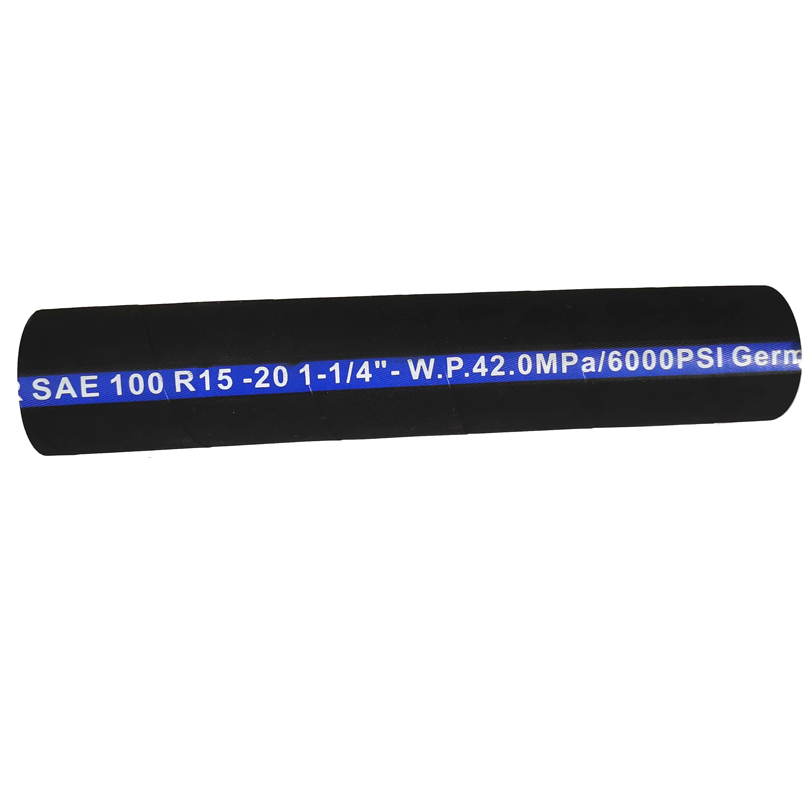
Dayco hydraulic hoses are constructed using a multi-layered design, typically comprising an inner tube, reinforcement layers, and an outer cover. The inner tube is commonly formulated from synthetic rubbers such as nitrile (NBR), ethylene propylene diene monomer (EPDM), or fluorocarbon (FKM), selected based on fluid compatibility requirements. NBR provides excellent resistance to petroleum-based fluids, while EPDM excels in phosphate ester fluid compatibility and high-temperature applications. FKM delivers superior resistance to aggressive chemicals and extreme temperatures. Reinforcement layers are typically braided or spiraled high-tensile steel wire, providing the hose with its pressure-bearing capability. The number of layers and wire diameter directly correlate to the hose’s maximum working pressure. The outer cover is usually composed of synthetic rubber (typically SBR – styrene-butadiene rubber) to provide abrasion, ozone, and weather resistance. Manufacturing processes involve extrusion of the inner tube and outer cover, followed by precise winding of the reinforcement layers. Critical parameters during extrusion include temperature control, die sizing, and material viscosity to ensure consistent wall thickness and dimensional accuracy. Braiding tension and helix pitch are meticulously controlled during reinforcement application to guarantee uniform pressure distribution. Post-processing includes curing to vulcanize the rubber compounds, enhancing their strength and elasticity, and final inspection for defects.
Performance & Engineering
Hydraulic hose performance is governed by fundamental engineering principles, primarily those relating to stress, strain, and fluid dynamics. The hose must withstand internal pressure without experiencing plastic deformation or rupture. Force analysis dictates that the hoop stress within the hose wall increases linearly with pressure and radius, requiring robust reinforcement to counteract these forces. Fatigue life is a critical consideration, as hydraulic systems are subject to cyclical pressure loading. Finite element analysis (FEA) is commonly employed to model stress distribution within the hose structure under various operating conditions, identifying potential weak points and optimizing design parameters. Environmental resistance is paramount, with hoses exposed to temperature extremes, UV radiation, and corrosive fluids. Temperature fluctuations cause expansion and contraction, inducing stress within the hose and connections. Fluid compatibility dictates the material selection for the inner tube, preventing swelling, degradation, or leaching of plasticizers, which could compromise performance. Compliance with industry standards, such as SAE J517 and EN 853, mandates specific performance criteria, including burst pressure, impulse testing, and temperature range ratings. Proper hose routing and support are crucial to prevent kinking, abrasion, and excessive bending, all of which can significantly reduce hose lifespan.
Technical Specifications
| Parameter | Unit | Specification (Example - Dayco R1AT) | Test Standard |
|---|---|---|---|
| Working Pressure | PSI | 3000 | SAE J517 |
| Burst Pressure | PSI | 9000 | SAE J517 |
| Temperature Range | °F | -40 to +212 | SAE J517 |
| Inner Tube Material | - | NBR (Nitrile Rubber) | ASTM D2000 |
| Reinforcement | - | Two Steel Wire Braids | SAE J517 |
| Cover Material | - | SBR (Styrene-Butadiene Rubber) | ASTM D2000 |
Failure Mode & Maintenance
Common failure modes in Dayco hydraulic hoses include burst failure due to exceeding pressure limits, pinhole leaks caused by internal corrosion or abrasion, and cracking resulting from fatigue or ozone degradation. Burst failures are often triggered by sudden pressure surges or pre-existing damage to the reinforcement layers. Pinhole leaks can occur if the inner tube is incompatible with the hydraulic fluid, leading to swelling and weakening of the rubber. Cracking is accelerated by exposure to UV radiation, ozone, and extreme temperatures. Delamination between layers can occur due to improper bonding during manufacturing or prolonged exposure to harsh chemicals. Oxidation of the rubber compounds causes hardening and loss of flexibility, increasing susceptibility to cracking. Preventative maintenance is crucial for extending hose lifespan. Regular visual inspections should be conducted to identify signs of wear, such as cracks, abrasions, and leaks. Hose routing should be optimized to minimize bending and abrasion. Fluid compatibility should be verified to prevent inner tube degradation. Proper hose assembly, including the use of compatible fittings and correct crimping procedures, is essential to prevent leaks and failures. Periodic replacement of hoses based on a predetermined schedule or operating hours is recommended, particularly in critical applications.
Industry FAQ
Q: What is the impact of exceeding the recommended working pressure on hydraulic hose lifespan?
A: Exceeding the recommended working pressure significantly reduces hydraulic hose lifespan and increases the risk of catastrophic failure. Even short-term exposure to pressures above the rating induces stress fatigue in the reinforcement layers, leading to premature cracking and eventual burst. Consistent operation above the working pressure exponentially accelerates degradation, rendering the hose unreliable and potentially hazardous.
Q: How does fluid compatibility affect hose performance and longevity?
A: Fluid compatibility is paramount. Using a hydraulic fluid incompatible with the hose’s inner tube material can cause swelling, softening, or dissolution of the rubber, leading to leaks and loss of pressure. Certain fluids can also accelerate oxidation and degradation. Selecting a hose specifically designed for the intended fluid type is crucial for maximizing performance and extending lifespan.
Q: What are the best practices for routing hydraulic hoses to prevent damage?
A: Proper hose routing minimizes stress and abrasion. Avoid sharp bends, kinks, and contact with hot surfaces or moving parts. Use appropriate hose clamps and supports to secure the hose and prevent excessive movement. Maintain adequate clearance between the hose and other components to prevent abrasion. Route hoses away from potential impact zones.
Q: What is the significance of impulse pressure ratings in hydraulic hose selection?
A: Impulse pressure ratings indicate the hose’s ability to withstand pressure surges or pulsations commonly found in hydraulic systems. High impulse pressures can cause fatigue failure, even if the working pressure is not exceeded. Selecting a hose with an adequate impulse rating is critical for applications with frequent pressure fluctuations.
Q: What maintenance procedures should be implemented to ensure optimal hydraulic hose performance?
A: Implement a regular inspection schedule to check for leaks, cracks, abrasions, and other signs of wear. Verify proper hose routing and support. Ensure fluid compatibility and maintain proper fluid cleanliness. Replace hoses periodically based on operating hours or a predetermined schedule. Document all maintenance activities for traceability.
Conclusion
Dayco hydraulic hose performance is inextricably linked to a complex interplay of material science, manufacturing precision, and engineering principles. Selecting the appropriate hose for a given application necessitates a thorough understanding of operating conditions, fluid compatibility, and pressure requirements. Failure to adequately address these factors can lead to premature failure, costly downtime, and potential safety hazards.
Proactive maintenance, coupled with adherence to industry standards and best practices, is essential for maximizing hose lifespan and ensuring the reliable operation of hydraulic systems. Continuous advancements in rubber technology and manufacturing processes are driving improvements in hose durability, performance, and resistance to harsh environments, ultimately contributing to increased efficiency and safety across a wide range of industrial applications.