
Apr . 01, 2024 17:55 Back to list
continental hydraulic hose Performance Analysis
Introduction
Continental hydraulic hose represents a critical component in fluid power systems across a wide range of industries including construction, agriculture, mining, manufacturing, and transportation. These hoses are engineered for the reliable transmission of hydraulic fluid under high pressure, often operating in demanding environmental conditions. Within the industry chain, they function as the dynamic conduit connecting hydraulic pumps, valves, actuators, and reservoirs, facilitating the transfer of power essential for machine operation. Core performance characteristics revolve around burst pressure, working pressure, temperature resistance, fluid compatibility, and abrasion resistance. A key industry pain point is maintaining hose integrity in applications subject to severe cyclical loading, extreme temperatures, and exposure to aggressive fluids, leading to premature failure and costly downtime. This guide provides a comprehensive technical overview of Continental hydraulic hose, encompassing material science, manufacturing processes, performance parameters, failure analysis, and relevant industry standards.
Material Science & Manufacturing
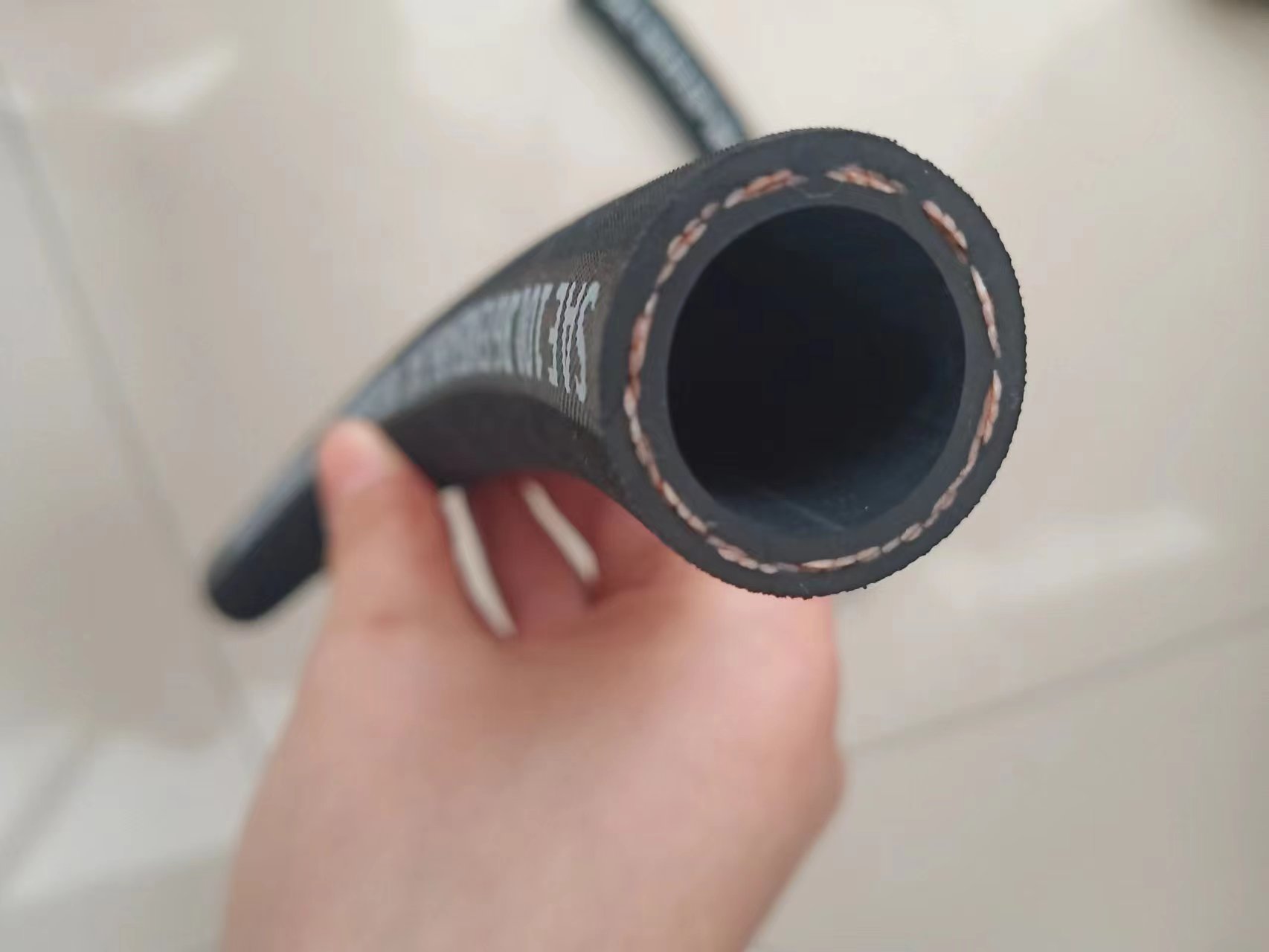
Continental hydraulic hose construction typically involves multiple layers, each contributing to specific performance attributes. The inner tube, in direct contact with the fluid, is commonly composed of synthetic rubber compounds such as nitrile (NBR), ethylene propylene diene monomer (EPDM), or fluorocarbon (FKM), selected based on fluid compatibility requirements. NBR offers good resistance to petroleum-based hydraulic fluids, while EPDM excels in phosphate ester fluid applications. FKM provides superior resistance to high temperatures and aggressive chemicals. Reinforcement layers, providing the strength to withstand high pressures, are typically braided or spiraled with high-tensile steel wire. The number of layers and wire diameter directly correlate with the hose’s working and burst pressure capabilities. An outer cover, generally constructed from synthetic rubber like chloroprene (CR), provides abrasion, weathering, and ozone resistance. Manufacturing processes begin with the extrusion of the inner tube, followed by the application of reinforcement layers through braiding or spiraling machines. Precise tension control during reinforcement application is critical to ensure uniform pressure distribution. The outer cover is then extruded over the reinforcement, followed by curing. Curing involves heating the hose under pressure to vulcanize the rubber compounds, enhancing their mechanical properties and chemical resistance. Parameter control during extrusion, braiding/spiraling, and curing—including temperature, pressure, and time—are paramount for consistent hose quality and performance. Post-production testing, including hydrostatic pressure testing and impulse testing, verifies compliance with industry standards.
Performance & Engineering
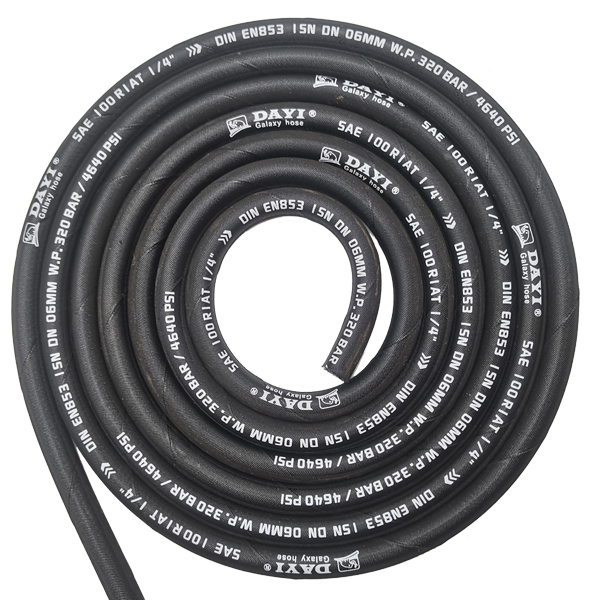
The performance of Continental hydraulic hose is dictated by its ability to withstand internal pressure, external loads, and environmental stressors. Force analysis involves calculating hoop stress within the hose wall based on internal pressure and hose diameter, ensuring the reinforcement layers provide sufficient strength to prevent burst failure. Burst pressure is typically four times the working pressure, representing the ultimate limit. Hose fatigue life is a critical engineering consideration, particularly in applications involving cyclical loading. Fatigue failure occurs due to the cumulative damage caused by repeated stress cycles. Impulse testing, simulating hydraulic pressure pulsations, is used to evaluate hose resistance to fatigue. Environmental resistance is crucial; temperature fluctuations can affect rubber compound elasticity, leading to cracking or reduced pressure capacity. Exposure to UV radiation, ozone, and chemicals can degrade the outer cover, compromising its protective function. Hydraulic fluid compatibility is also paramount. Incompatible fluids can cause swelling, softening, or cracking of the inner tube, leading to leakage and failure. Compliance requirements are often dictated by industry-specific regulations and standards, such as those established by the Society of Automotive Engineers (SAE) and the International Organization for Standardization (ISO). Selecting the appropriate hose construction – considering pressure requirements, fluid type, temperature range, and operating environment – is crucial for ensuring long-term reliability and preventing premature failure.
Technical Specifications
| Parameter | Unit | Typical Value (DN20, SAE 100 R2 AT) | Typical Value (DN32, DIN EN 856 4SH) |
|---|---|---|---|
| Working Pressure | MPa | 31.5 | 25 |
| Burst Pressure | MPa | 126 | 100 |
| Temperature Range | °C | -40 to +100 | -40 to +100 |
| Inner Tube Material | - | NBR | NBR |
| Reinforcement | - | 2 Steel Wire Braids | 4 Steel Wire Spirals |
| Outer Cover Material | - | CR | CR |
Failure Mode & Maintenance
Common failure modes in Continental hydraulic hose include burst failure due to exceeding pressure limits, fatigue cracking from cyclical loading, pinhole leaks caused by abrasion or chemical attack, and end fitting failure. Burst failure is typically a catastrophic event resulting from exceeding the hose's maximum pressure rating. Fatigue cracking initiates from stress concentrations, often near fittings or areas of damage, and propagates over time, eventually leading to leakage or rupture. Pinhole leaks can occur from external abrasion, particularly in applications where the hose is exposed to abrasive surfaces. Chemical attack can degrade the inner tube, leading to leaks. End fitting failure can result from corrosion, improper crimping, or excessive bending. Preventive maintenance is critical to extending hose life and preventing failures. This includes regular visual inspections for signs of damage, such as cracks, abrasions, and leaks. Proper routing and support of the hose are essential to minimize stress and abrasion. Avoid sharp bends and kinks. Regularly check fitting connections for tightness. Flush the hydraulic system periodically to remove contaminants that can accelerate wear. Replace hoses at recommended intervals, even if no visible damage is apparent, especially in critical applications. Implement a hose management program to track hose usage, maintenance records, and replacement schedules. When replacing a hose, ensure the replacement has the same or greater pressure rating and is compatible with the hydraulic fluid.
Industry FAQ
Q: What is the impact of fluid velocity on hydraulic hose life?
A: Higher fluid velocity increases the rate of erosion and fatigue within the hose. Increased velocity amplifies pressure pulsations, accelerating wear on the inner tube and reinforcement layers. It also increases the risk of cavitation, which can create localized high pressures and damage the hose lining. Maintaining appropriate fluid velocity – typically below 5-7 m/s – is crucial for maximizing hose lifespan.
Q: How does temperature affect the performance of hydraulic hose?
A: Temperature extremes can significantly impact hose performance. High temperatures can reduce the tensile strength and elasticity of the rubber compounds, leading to premature failure. Low temperatures can cause the rubber to become brittle and prone to cracking. Exposure to repeated temperature cycles can accelerate degradation. Selecting a hose rated for the expected temperature range is critical.
Q: What are the key considerations when selecting a hose for a specific hydraulic fluid?
A: Fluid compatibility is paramount. The inner tube material must be resistant to swelling, softening, or cracking when exposed to the hydraulic fluid. Different fluids require different hose materials; for example, phosphate ester fluids require EPDM inner tubes, while petroleum-based fluids are compatible with NBR. Consult the hose manufacturer’s chemical compatibility chart to ensure proper selection.
Q: What is the proper procedure for crimping hose fittings?
A: Proper crimping is essential for a secure and leak-free connection. The crimp size must be appropriate for the hose diameter, fitting type, and reinforcement layer construction. Using an improperly sized crimp can result in leakage or fitting failure. Follow the hose and fitting manufacturer’s crimping specifications and use a calibrated crimping machine. Regular inspection of the crimping machine is vital.
Q: How can I identify potential hose damage during a visual inspection?
A: Look for signs of cracking, abrasion, blistering, or discoloration on the hose cover. Check for leaks around fittings and hose ends. Inspect the hose for kinks, twists, or sharp bends. Pay attention to areas where the hose is in contact with other components or surfaces, as these are prone to abrasion. Any visible damage should be addressed immediately.
Conclusion
Continental hydraulic hose performance is intrinsically linked to a complex interplay of material science, precise manufacturing control, and adherence to rigorous engineering principles. Proper hose selection, considering factors like pressure, temperature, fluid compatibility, and environmental conditions, is foundational to reliable operation and prolonged service life. Understanding potential failure modes and implementing a proactive maintenance program, including regular inspections and timely replacement, are essential for mitigating risks and optimizing system uptime.
The evolution of hydraulic hose technology continues to focus on enhancing durability, reducing weight, and improving environmental sustainability. Future developments will likely involve the use of advanced materials, such as thermoplastic composites and self-healing polymers, to create hoses with superior performance characteristics and extended lifespans. Continuous improvement in manufacturing processes and quality control measures will also contribute to increased hose reliability and reduced lifecycle costs.