
Apr . 01, 2024 17:55 Back to list
competitive price hydraulic hose suppliers Performance Analysis
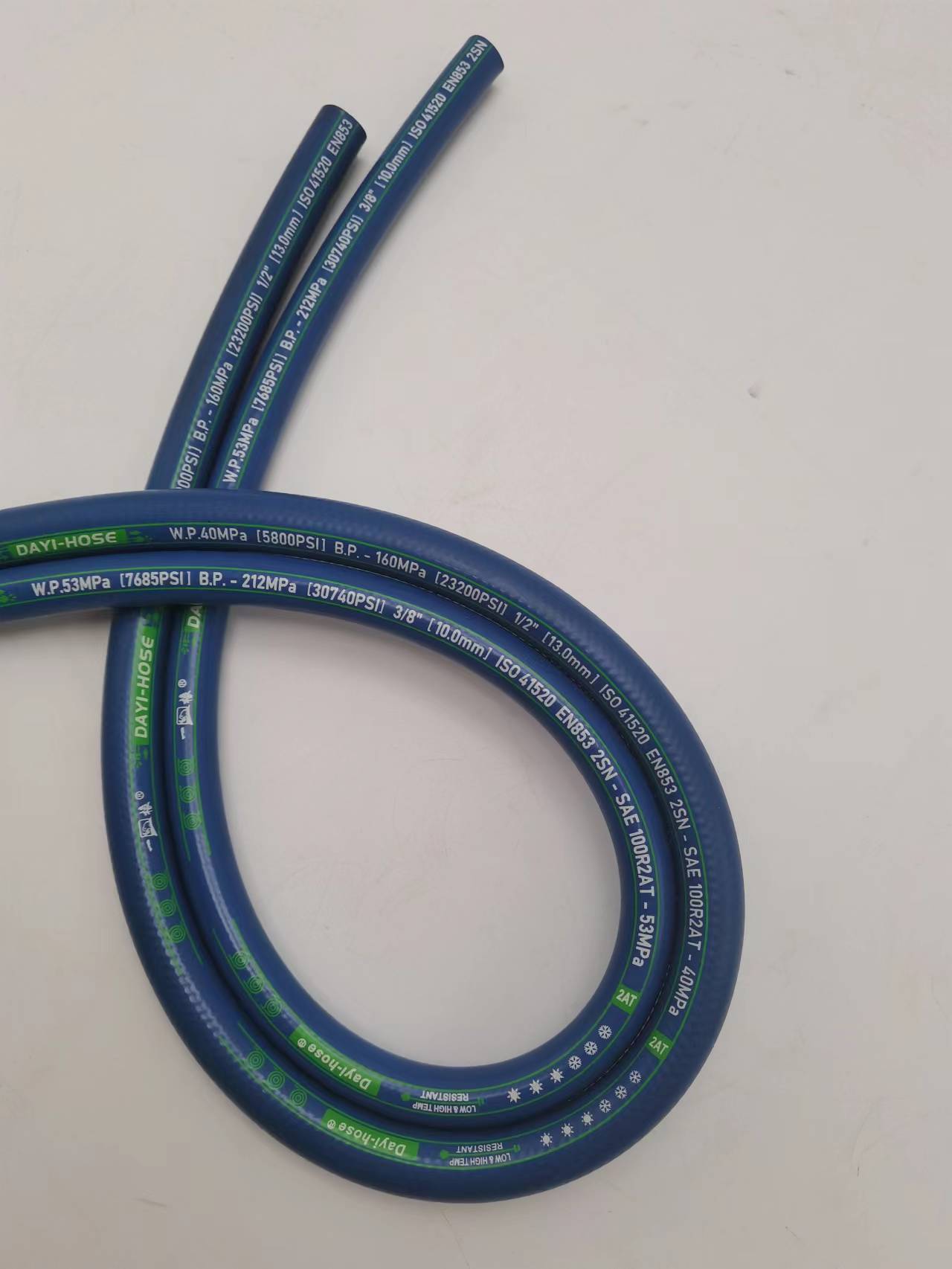
Introduction
Hydraulic hoses are critical components in fluid power systems, transmitting pressurized fluid to actuators and other hydraulic components. Competitive pricing in the hydraulic hose supply chain is a significant driver for businesses across diverse industries, including construction, agriculture, manufacturing, and automotive. However, focusing solely on cost can compromise long-term reliability and safety. This technical guide provides an in-depth analysis of hydraulic hose technology, covering material science, manufacturing processes, performance characteristics, failure modes, and relevant industry standards, with a specific focus on understanding the trade-offs associated with price points. It aims to equip procurement managers and engineers with the knowledge to evaluate hydraulic hose suppliers and select products that optimize both cost and performance, minimizing lifecycle costs and maximizing operational efficiency. The industry faces challenges with fluctuating raw material costs (primarily rubber and steel), increasing demand for higher working pressures, and stringent environmental regulations impacting hose construction and disposal.
Material Science & Manufacturing
Hydraulic hoses are typically constructed from multiple layers, each contributing to specific performance characteristics. The inner tube, commonly made of synthetic rubber compounds like nitrile (NBR), ethylene propylene diene monomer (EPDM), or fluorocarbon (FKM/Viton), provides resistance to the hydraulic fluid being conveyed. NBR is widely used for petroleum-based fluids, offering good abrasion resistance and cost-effectiveness. EPDM excels in applications requiring resistance to heat, ozone, and weathering. FKM provides superior resistance to aggressive fluids, high temperatures, and chemical attack, but at a higher cost. The reinforcement layer, usually comprised of one or more braids of high-strength steel wire, determines the hose's pressure capability. The number of braids directly correlates with the maximum working pressure. Cover materials, often synthetic rubbers like polyurethane or a blend of polymers, provide abrasion, oil, and weather resistance. Manufacturing processes vary depending on hose type. Braided hoses are created by spirally winding steel wire around a mandrel and then extruding the inner tube and cover layers. Spiral-wound hoses utilize multiple layers of spirally wound steel wire encased within inner and outer rubber coverings. Key parameter controls during manufacturing include rubber compound mixing ratios, curing temperatures and pressures, wire tensile strength, and dimensional tolerances. Deviations from these parameters can result in reduced hose performance and premature failure. The quality of the steel wire, specifically its tensile strength and fatigue resistance, is a critical factor influencing hose lifespan.

Performance & Engineering
Hydraulic hose performance is dictated by several critical engineering factors. Burst pressure, working pressure, and safety factor are primary considerations. Working pressure represents the maximum continuous operating pressure, while burst pressure is the pressure at which the hose is expected to fail. A safety factor, typically 4:1, is applied to ensure safe operation. Hose selection must account for dynamic bending and flexing, which induce fatigue stress. Minimum bend radius is a crucial specification, and exceeding it can significantly reduce hose life. Fluid compatibility is paramount; using an incompatible fluid can cause the inner tube to swell, degrade, or crack. Temperature ranges also play a significant role, as both high and low temperatures can affect rubber compound properties. Environmental resistance, including exposure to ozone, UV radiation, and chemicals, must be considered. Force analysis involves evaluating the tensile and shear stresses within the hose during operation. Finite element analysis (FEA) is often employed to optimize hose design and predict performance under various loading conditions. Compliance requirements, such as those outlined by SAE International (J517, J1926) and EN standards, dictate testing procedures and performance criteria.
Technical Specifications
| Parameter | Unit | SAE 100R2 AT | SAE 100R6 |
|---|---|---|---|
| Working Pressure | MPa | 20.7 | 21.0 |
| Burst Pressure | MPa | 82.7 | 84.0 |
| Temperature Range | °C | -40 to +100 | -40 to +100 |
| Inner Tube | Material | NBR | NBR |
| Reinforcement | Layers | 2 Steel Wire Braid | 4 Steel Wire Spiral |
| Cover | Material | Synthetic Rubber | Synthetic Rubber |
Failure Mode & Maintenance
Hydraulic hose failures can stem from several causes. Fatigue cracking, induced by repeated bending and flexing, is a common failure mode, particularly in applications with high dynamic loads. Abrasion, caused by contact with abrasive surfaces, can wear away the cover and expose the reinforcement layer. Pinholes or cracks in the inner tube can lead to fluid leakage. Over-pressurization, exceeding the hose's working pressure, can cause a catastrophic burst. Improper installation, such as exceeding the minimum bend radius or applying excessive torque to fittings, can also induce stress and accelerate failure. Chemical attack from incompatible fluids can degrade the rubber compounds. Oxidation and weathering can cause the cover to become brittle and crack. Preventative maintenance is crucial for extending hose life. Regular visual inspections should be conducted to identify signs of wear, damage, or leakage. Hoses should be replaced at recommended intervals, even if no visible damage is present. Proper hose routing and support are essential to minimize bending and abrasion. Using compatible fittings and ensuring proper installation are critical. Regularly monitoring system pressure and fluid condition can help prevent premature failure.
Industry FAQ
Q: What is the impact of steel wire quality on hydraulic hose lifespan?
A: Steel wire quality is paramount. Higher tensile strength and improved fatigue resistance directly translate to a longer hose lifespan, especially in dynamic applications. Lower-grade steel wire is often used in competitively priced hoses, leading to premature failure. The surface finish of the wire also matters; imperfections can initiate crack propagation.
Q: How do different rubber compounds affect fluid compatibility?
A: Different rubber compounds offer varying degrees of resistance to specific fluids. NBR is suitable for petroleum-based fluids, while EPDM handles water-based fluids well. FKM is best for aggressive chemicals. Using an incompatible fluid causes swelling, cracking, or degradation, leading to leaks and failure.
Q: What is the significance of the hose’s “lay length” in spiral hoses?
A: Lay length refers to the distance one complete turn of the spiral wire makes along the hose. A shorter lay length generally provides greater flexibility but reduces pressure capability. A longer lay length offers higher pressure ratings but at the expense of flexibility.
Q: How does temperature affect hydraulic hose performance?
A: Extreme temperatures, both high and low, can significantly impact rubber compound properties. High temperatures accelerate degradation and reduce tensile strength. Low temperatures can cause the rubber to become brittle and crack. Hose selection must account for the operating temperature range.
Q: What are the common causes of hose fitting failure?
A: Common causes include improper crimping, corrosion, and damage during handling. Using incorrect fittings or over-tightening can induce stress and lead to leaks or catastrophic failure. Regular inspection and replacement of fittings are crucial for maintaining system integrity.
Conclusion
Selecting competitive price hydraulic hose suppliers requires a thorough understanding of the interplay between material science, manufacturing processes, and performance characteristics. While cost is a critical factor, prioritizing long-term reliability and safety should be paramount. Sacrificing quality for lower upfront costs can lead to increased maintenance expenses, downtime, and potential safety hazards. A comprehensive evaluation of suppliers, focusing on their quality control procedures, material sourcing practices, and adherence to industry standards, is essential.
Ultimately, the optimal hydraulic hose solution represents a balance between cost, performance, and longevity. By understanding the potential failure modes and implementing a robust preventative maintenance program, end-users can maximize hose life and minimize total lifecycle costs. Investing in higher-quality hoses and fittings, coupled with proper installation and maintenance, will prove more cost-effective in the long run than repeatedly replacing inferior products.