
Apr . 01, 2024 17:55 Back to list
competitive price hydraulic hose manufacturer Performance Analysis
Introduction
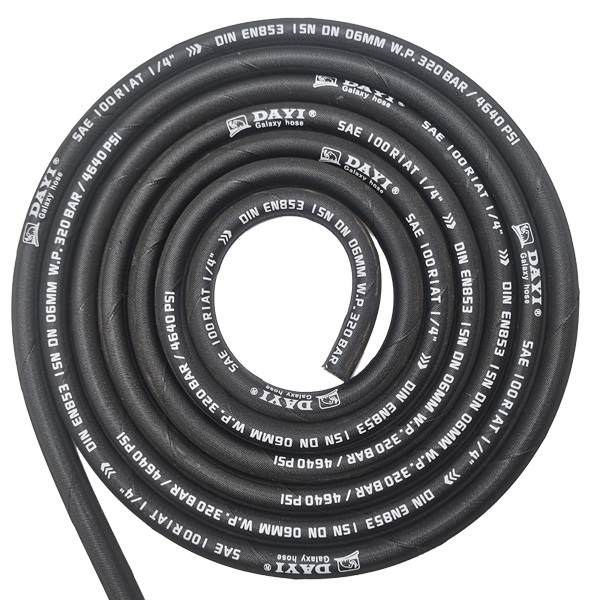
Hydraulic hose, a critical component in fluid power systems, transmits hydraulic fluid to actuators and other components. Competitive price hydraulic hose manufacturer designs focus on delivering robust, reliable performance at cost-effective price points. This guide provides an in-depth technical overview of hydraulic hose, encompassing material science, manufacturing processes, performance characteristics, failure modes, maintenance practices, and relevant industry standards. The primary application areas include construction equipment, agricultural machinery, material handling, and industrial manufacturing. Core performance revolves around pressure rating, burst pressure, temperature resistance, fluid compatibility, and service life. A key industry pain point is balancing cost with performance and longevity, particularly concerning abrasion resistance and internal hose degradation. Achieving consistent quality control across a broad price range is another significant challenge.
Material Science & Manufacturing
Hydraulic hoses are typically constructed from multiple layers, each serving a specific function. The inner tube, the layer in direct contact with the fluid, is commonly made from synthetic rubbers like nitrile (NBR), ethylene propylene diene monomer (EPDM), or fluorocarbon (FKM/Viton), selected based on fluid compatibility. NBR offers good resistance to petroleum-based oils, EPDM excels in phosphate ester fluids, and FKM provides broad chemical resistance but at a higher cost. The reinforcement layer provides the hose's pressure-bearing capability. Common materials include braided steel wire (high pressure), spiral steel wire (very high pressure), and synthetic fiber textiles (lower pressure applications). The outer cover, providing abrasion and weather resistance, is generally a blend of synthetic rubbers, often including chloroprene (CR) or a CR/NBR blend.
Manufacturing processes vary depending on hose type. Braided hoses involve helically winding steel wire around a mandrel, followed by extrusion of the inner tube and outer cover. Spiral hoses use a continuous winding of high-tensile steel wire. Textile-reinforced hoses are produced through a braiding or knitting process. Key parameters during manufacturing include wire diameter and count (for reinforcement), rubber compound viscosity and curing time, and dimensional accuracy. Precise control of these parameters is crucial for achieving consistent pressure ratings and preventing premature failure. Post-manufacturing, hoses undergo rigorous testing, including hydrostatic pressure testing, impulse testing, and burst testing, to verify performance and compliance with industry standards. Extrusion temperature, cooling rates, and vulcanization pressure are all tightly monitored to ensure optimal polymer crosslinking and physical properties.
Performance & Engineering
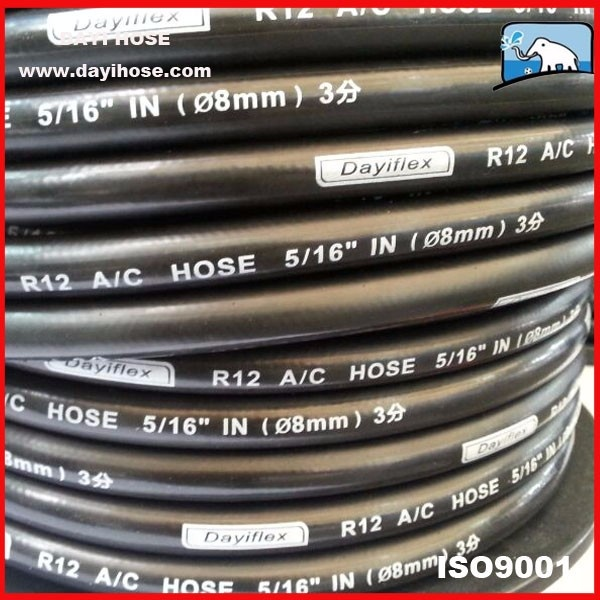
The performance of a hydraulic hose is governed by several key engineering principles. Tensile strength of the reinforcement layer dictates the maximum allowable pressure. Hose diameter influences flow rate and pressure drop; smaller diameters create higher velocity and greater pressure loss. The bend radius is critical; exceeding the minimum bend radius can cause kinking and hose failure. Fatigue analysis is crucial, especially in applications with pulsating flow, to predict hose life under cyclic loading. Environmental resistance considerations include temperature extremes, exposure to ozone, UV radiation, and corrosive substances. Furthermore, hose assemblies require proper fitting selection and installation. Incorrect fitting types or improper crimping can lead to leakage or catastrophic failure. Force analysis incorporates hoop stress (stress within the hose wall due to internal pressure) and longitudinal stress (stress along the hose length due to pressure and external loads). Compliance requirements, such as those stipulated by SAE and EN standards, dictate minimum pressure ratings, burst pressures, and testing protocols. The design of the hose assembly, including the length and number of bends, impacts its overall stress distribution and service life. The selection of appropriate hose materials for specific fluid types is paramount to avoid degradation and swelling, which can compromise hose integrity.
Technical Specifications
| Parameter | Unit | Typical Value (NBR Inner, Steel Wire Braid) | Typical Value (EPDM Inner, Spiral Steel Wire) |
|---|---|---|---|
| Working Pressure | MPa | 20 | 40 |
| Burst Pressure | MPa | 80 | 160 |
| Temperature Range | °C | -40 to +100 | -40 to +120 |
| Inner Diameter | mm | 19 | 25 |
| Outer Diameter | mm | 28 | 38 |
| Minimum Bend Radius | mm | 175 | 250 |
Failure Mode & Maintenance
Hydraulic hose failure can occur through various mechanisms. Fatigue cracking, induced by repeated pressure cycles, is a common mode, particularly near fittings. Abrasion, caused by external contact with abrasive surfaces, degrades the outer cover, exposing the reinforcement layer. Internal hose degradation stems from fluid incompatibility, oxidation, or erosion by suspended particles. Fitting failure, including corrosion or improper crimping, leads to leakage. Kinking, resulting from exceeding the minimum bend radius, restricts flow and can cause localized stress concentrations. Common failure analysis techniques include visual inspection for cracks and abrasions, burst testing to determine residual strength, and microscopic examination of fracture surfaces to identify the failure initiation point. Maintenance practices include regular visual inspection for signs of wear, checking for leaks, and verifying proper fitting tightness. Hose assemblies should be replaced proactively based on service life or if signs of damage are detected. Maintaining a clean hydraulic system, including filtration, minimizes internal abrasion and extends hose life. Proper hose routing, avoiding sharp bends and contact with hot surfaces, is essential for preventing premature failure. Avoiding over-pressurization of the hydraulic system is critical to prevent catastrophic rupture.
Industry FAQ
Q: What is the impact of fluid velocity on hydraulic hose life?
A: Higher fluid velocity increases erosion and heat generation, accelerating internal hose degradation. Excessive velocity can also induce vibration, contributing to fatigue failure. Maintaining appropriate fluid velocity within recommended limits is crucial for maximizing hose service life.
Q: How does temperature affect hydraulic hose performance?
A: Extreme temperatures can compromise hose material properties. High temperatures accelerate oxidation and degradation of the rubber compounds, reducing flexibility and strength. Low temperatures can cause the rubber to become brittle and prone to cracking. Selecting hoses rated for the operating temperature range is essential.
Q: What are the key considerations when selecting fittings for hydraulic hoses?
A: Fittings must be compatible with the hose type and fluid being conveyed. Proper crimping is critical for ensuring a secure and leak-free connection. Material compatibility between the fitting and hose is also important to prevent corrosion. Using fittings that meet industry standards (SAE, DIN) is highly recommended.
Q: How can I prevent hose twisting during installation?
A: Hose twisting introduces internal stress and reduces flexibility. Using swivel fittings allows the hose to rotate freely, preventing twisting. Avoiding tight bends and ensuring proper hose routing also minimizes torsional strain.
Q: What is the role of impulse testing in hydraulic hose evaluation?
A: Impulse testing simulates the effects of pressure pulsations, which are common in hydraulic systems. It assesses the hose's ability to withstand repeated pressure surges without failure. Impulse ratings are critical for applications with pulsating flow, such as hydraulic hammers and pumps.
Conclusion
Hydraulic hose selection and maintenance represent a critical aspect of hydraulic system reliability and safety. Understanding the interplay between material science, manufacturing processes, and performance characteristics is essential for optimizing hose life and preventing failures. Competitive price hydraulic hose manufacturer's success lies in delivering products that balance cost-effectiveness with robust performance and adherence to stringent industry standards. Careful consideration of fluid compatibility, pressure ratings, temperature ranges, and environmental factors is paramount.
Future advancements in hydraulic hose technology are likely to focus on developing more durable and lightweight materials, improving hose assembly designs, and incorporating smart sensing capabilities for real-time monitoring of hose condition. Proper preventative maintenance, including regular inspections and proactive replacements, remains the most effective strategy for minimizing downtime and ensuring the safe and efficient operation of hydraulic systems.