
Apr . 01, 2024 17:55 Back to list
competitive price hydraulic hose factory Technical Analysis
Introduction
Hydraulic hose, a fundamental component in fluid power systems, transmits hydraulic fluid to actuate machinery. Competitive price hydraulic hose factory focuses on delivering reliable, cost-effective solutions for a wide spectrum of industrial and mobile applications. These hoses are critical for transferring power in sectors like construction, agriculture, manufacturing, and automotive, demanding robust performance and adherence to stringent safety standards. The performance of a hydraulic hose is dictated by its ability to withstand pressure, resist abrasion, maintain flexibility, and ensure fluid compatibility. This guide will provide an in-depth technical analysis of competitive price hydraulic hoses, covering material science, manufacturing processes, performance characteristics, failure modes, and relevant industry standards, specifically addressing common concerns regarding cost-performance trade-offs.
Material Science & Manufacturing
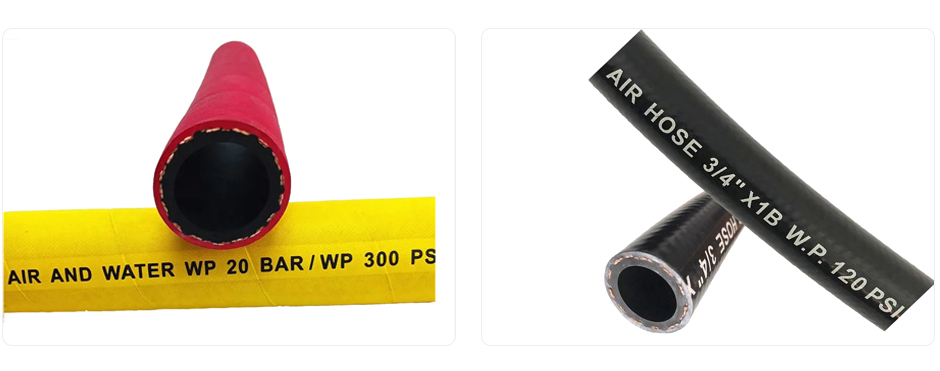
The core material in hydraulic hose construction is typically a synthetic rubber compound, frequently utilizing materials like nitrile rubber (NBR), ethylene propylene diene monomer (EPDM), or chloroprene rubber (CR), depending on the fluid compatibility and temperature requirements. NBR exhibits excellent resistance to petroleum-based fluids, while EPDM excels in applications involving phosphate ester fluids and exposure to ozone. CR provides good resistance to weathering and abrasion. Reinforcement layers are critical for pressure resistance. These layers are often comprised of high-tensile steel wire (single or multiple braids), textile cords (typically polyester or aramid), or a combination of both. The number and orientation of these reinforcement layers directly correlate with the hose’s working pressure capability. Manufacturing processes begin with the extrusion of the inner tube, followed by the application of reinforcement layers via spiraling or braiding machines. An outer cover, often made of abrasion-resistant rubber compounds, is then extruded to protect the reinforcement layers from environmental damage. Key parameter controls during manufacturing include precise temperature control during extrusion to ensure homogenous material distribution, accurate tension control during braiding/spiraling to prevent distortion, and stringent dimensional checks to guarantee consistent inner diameter and wall thickness. The cure process, involving vulcanization, is paramount. Optimal cure time and temperature determine the rubber's cross-linking density, significantly influencing its physical properties, including tensile strength, elongation at break, and compression set.
Performance & Engineering
Hydraulic hose performance is fundamentally governed by its ability to withstand internal pressure without failure. Burst pressure, working pressure, and safety factor are critical parameters. Working pressure is typically calculated as 1/4 of the burst pressure, while a safety factor of 4:1 is commonly employed to account for pressure surges and dynamic loading. Force analysis is crucial for designing hose assemblies, considering bending radii, hose length, and fitting types. Excessive bending can induce stress concentrations, leading to premature failure. Environmental resistance is another key consideration. Exposure to extreme temperatures, UV radiation, and corrosive chemicals can degrade the rubber compound, reducing its flexibility and compromising its integrity. Compatibility with the hydraulic fluid is paramount; incompatible fluids can cause swelling, softening, or cracking of the inner tube. Compliance requirements vary depending on the application and geographical region. For example, SAE J517 specifies performance requirements for hydraulic hoses in the automotive and industrial sectors. DIN EN 853/857 defines standards for hydraulic hoses used in European machinery. The selection of appropriate fittings is also critical. Fittings must be rated for the hose’s working pressure and must be securely attached to prevent leakage or blow-off.
Technical Specifications
| Parameter | NBR Hydraulic Hose (Standard Grade) | EPDM Hydraulic Hose (High Temp) | Spiral Wire Reinforced Hose | Textile Braid Reinforced Hose |
|---|---|---|---|---|
| Working Pressure (PSI) | 2000 | 1500 | 5000 | 1000 |
| Burst Pressure (PSI) | 8000 | 6000 | 20000 | 4000 |
| Temperature Range (°F) | -40 to 212 | -40 to 250 | -40 to 212 | -40 to 212 |
| Inner Tube Material | Nitrile Rubber (NBR) | Ethylene Propylene Diene Monomer (EPDM) | Synthetic Rubber (NBR/EPDM blend) | Synthetic Rubber (NBR) |
| Reinforcement | Single Textile Braid | Single Textile Braid | Multiple High-Tensile Steel Wire Spirals | Single or Double Textile Braid |
| Outer Cover Material | CR/NBR Blend | EPDM | CR/NBR Blend | CR/NBR Blend |
Failure Mode & Maintenance
Common failure modes in hydraulic hoses include fatigue cracking, caused by repeated flexing and pressure cycling; abrasion, resulting from external contact with abrasive surfaces; and degradation due to exposure to extreme temperatures, UV radiation, and incompatible fluids. Pinholes in the inner tube can occur due to internal corrosion or material defects. Blow-offs at the fitting interface are often caused by improper installation, corrosion, or exceeding the hose’s pressure rating. Delamination, where the reinforcement layers separate from the rubber compound, is a sign of material degradation or manufacturing defects. Failure analysis often reveals that a combination of factors contributes to hose failure. Preventative maintenance is crucial for extending hose lifespan. Regular visual inspections should be conducted to identify signs of wear, such as cracking, abrasion, and swelling. Hose routing should be carefully planned to minimize bending and contact with abrasive surfaces. Hydraulic fluid should be regularly analyzed for contamination and replaced as needed. Fittings should be tightened to the manufacturer’s recommended torque specifications. Hose assemblies should be replaced at predetermined intervals, even if no visible signs of damage are present, based on operating conditions and fluid compatibility. Correct storage, away from direct sunlight and extreme temperatures, is also crucial for maintaining rubber compound integrity.
Industry FAQ
Q: What is the significance of the “dash size” numbering system for hydraulic hoses?
A: The dash size indicates the inner diameter of the hose in sixteenths of an inch. For instance, a "-6" hose has an inner diameter of 6/16" or 3/8". This standardization allows for consistent compatibility between hoses, fittings, and hydraulic components.
Q: How does temperature affect the performance and lifespan of a hydraulic hose?
A: Elevated temperatures accelerate rubber degradation, reducing its elasticity and tensile strength. Extremely low temperatures can make the rubber brittle and prone to cracking. The specified temperature range for a hose must be carefully considered based on the application’s operating environment.
Q: What are the primary differences between spiral and braided hydraulic hose reinforcement?
A: Spiral wire reinforcement provides higher pressure ratings and greater flexibility compared to braided reinforcement. Braided hoses are generally more cost-effective but are limited to lower pressure applications. Spiral hoses are preferred for demanding applications with high pressure and frequent bending.
Q: How do I properly identify a compatible hydraulic fluid for a specific hose material?
A: Refer to the hose manufacturer’s compatibility chart, which lists compatible fluids for each hose material. Using an incompatible fluid can lead to swelling, softening, or cracking of the inner tube, resulting in premature failure. Always prioritize fluid compatibility.
Q: What are best practices for hose assembly and fitting installation?
A: Use properly sized fittings that are rated for the hose’s working pressure. Ensure the fitting is fully inserted into the hose and crimped securely. Follow the fitting manufacturer’s recommended torque specifications during installation. Avoid over-tightening, which can damage the hose or fitting.
Conclusion
Competitive price hydraulic hose factory solutions represent a critical component in a wide range of fluid power applications. The selection and implementation of these hoses require a thorough understanding of material science, manufacturing processes, performance characteristics, and potential failure modes. Optimizing hose performance necessitates careful consideration of operating pressure, temperature, fluid compatibility, and environmental conditions. Prioritizing preventative maintenance, including regular inspections and timely replacements, is essential for maximizing hose lifespan and ensuring system reliability.
Ultimately, the cost-effectiveness of a hydraulic hose extends beyond its initial purchase price. A robust and properly maintained hose minimizes downtime, reduces the risk of catastrophic failure, and enhances overall system efficiency. Adherence to industry standards, coupled with a proactive approach to maintenance, is paramount for long-term performance and safety within hydraulic systems.