
Apr . 01, 2024 17:55 Back to list
competitive price hydraulic hose factories Performance Analysis
Introduction
Hydraulic hose assemblies are critical components in fluid power systems, transmitting hydraulic fluid to actuate machinery across diverse industries including construction, agriculture, manufacturing, and mining. Competitive price hydraulic hose factories address a significant market need for reliable and cost-effective solutions. These factories specialize in the manufacture of hoses designed to withstand high pressures, temperature extremes, and exposure to various fluids. The performance of a hydraulic hose directly impacts the efficiency, safety, and longevity of the entire hydraulic system. This guide provides an in-depth technical overview of hydraulic hose construction, material science, performance characteristics, failure modes, and relevant industry standards, specifically contextualized for understanding value propositions within the competitive pricing landscape. Core performance characteristics include burst pressure, working pressure, temperature range, and fluid compatibility. Addressing industry pain points surrounding hose life, unexpected failures, and maintaining compliance is paramount.
Material Science & Manufacturing
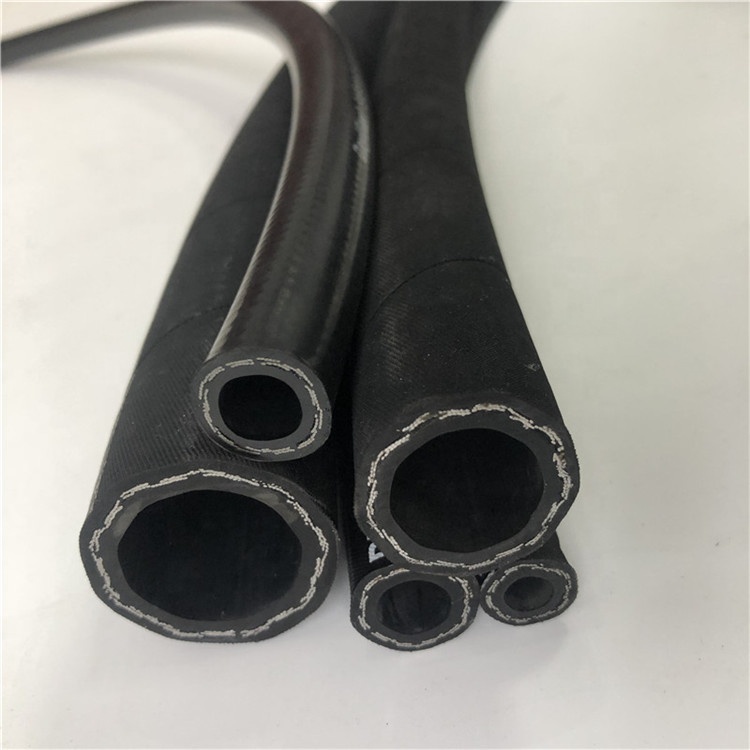
Hydraulic hoses are typically constructed from several layers, each contributing to specific performance attributes. The inner tube, in contact with the hydraulic fluid, is commonly made of synthetic rubbers such as nitrile rubber (NBR), ethylene propylene diene monomer (EPDM), or fluorocarbon (FKM/Viton) depending on fluid compatibility requirements. NBR provides excellent resistance to petroleum-based oils, EPDM excels in phosphate ester fluids, and FKM offers superior resistance to a wide range of chemicals and high temperatures. Reinforcement layers provide the hose’s strength to withstand pressure. These are often comprised of multiple layers of high-tensile steel wire, spiral-wound steel wire, or synthetic fiber braiding (e.g., polyester or aramid). The outer cover, providing environmental protection and abrasion resistance, is typically made of synthetic rubber such as chlorinated polyether (CPE) or polyurethane.
Manufacturing processes vary based on hose type and construction. For spiral-wound hoses, continuous steel wire is spiraled around a mandrel, while synthetic rubber is extruded over the wire. Precise control of wire tension and rubber thickness is critical. Braided hoses involve weaving synthetic fiber around a mandrel followed by rubber extrusion. Extrusion processes require careful control of temperature, pressure, and screw speed to ensure consistent material properties. Post-extrusion curing (vulcanization) is vital for achieving the desired rubber properties, including elasticity, tensile strength, and resistance to degradation. Key parameters include curing temperature, time, and pressure, optimized for the specific rubber compound used. Skiving, a process of removing a portion of the outer cover at the hose ends, facilitates proper fitting attachment. Quality control involves hydrostatic testing to verify burst pressure and impulse testing to simulate dynamic pressure fluctuations.

Performance & Engineering
Hydraulic hose performance is dictated by a complex interplay of pressure, temperature, fluid compatibility, and mechanical stress. Burst pressure, typically four times the working pressure, represents the maximum pressure the hose can withstand before rupture. Working pressure is the recommended maximum operating pressure, accounting for safety factors. Impulse pressure, involving cyclical pressure fluctuations, requires hoses with specific construction to prevent fatigue failure. Temperature range impacts rubber elasticity and strength; exceeding specified limits can lead to hardening, cracking, or softening. Fluid compatibility dictates the chemical resistance of the inner tube; incompatible fluids can cause swelling, degradation, or permeation.
Engineering considerations include hose bend radius, minimizing stress concentrations at fittings, and selecting appropriate fitting materials. Excessive bending or kinking can lead to localized thinning and eventual failure. Fitting selection is crucial; mismatched fittings can cause leaks or hose blowouts. Force analysis considers tensile forces due to weight and movement, as well as dynamic forces from pressure pulsations. Finite element analysis (FEA) is often used to model stress distribution and optimize hose design. Compliance requirements, such as those outlined by SAE J517 and ISO 6899, dictate minimum performance standards for burst pressure, impulse pressure, and temperature range. Environmental resistance, including UV exposure, ozone cracking, and abrasion resistance, are also critical performance factors.
Technical Specifications
| Parameter | SAE 100R1AT | SAE 100R2AT | DIN EN 853 1SN | DIN EN 857 1ST |
|---|---|---|---|---|
| Working Pressure (PSI) | 2000 | 3000 | 2000 | 2800 |
| Burst Pressure (PSI) | 8000 | 12000 | 8000 | 11200 |
| Temperature Range (°F) | -40 to +212 | -40 to +212 | -40 to +212 | -40 to +212 |
| Inner Tube Material | NBR | NBR | NBR | NBR |
| Reinforcement | Single Wire Braid | Double Wire Braid | Single Wire Braid | Spiral Wire |
| Outer Cover Material | CPE | CPE | CPE | Polyurethane |
Failure Mode & Maintenance
Hydraulic hose failures are often attributed to several common modes. Fatigue cracking, resulting from repeated pressure cycles, is a significant concern, especially in applications with high impulse pressures. Abrasion, caused by external contact with surfaces, can wear through the outer cover and expose reinforcement layers. Kinking and twisting restrict fluid flow and induce localized stress concentrations. Chemical degradation occurs when the inner tube is exposed to incompatible fluids, leading to swelling, softening, or cracking. Heat aging, caused by prolonged exposure to high temperatures, can harden the rubber and reduce its elasticity. Improper installation, including over-tightening fittings or exceeding bend radius limits, can initiate premature failure.
Preventive maintenance is crucial for maximizing hose life. Regular visual inspections should identify signs of abrasion, cracking, kinking, or leaks. Pressure testing can verify hose integrity. Flushing the hydraulic system periodically removes contaminants that can accelerate wear. Proper storage, protected from UV exposure and extreme temperatures, extends hose life. When replacing hoses, ensure correct size, pressure rating, and fluid compatibility. Fittings should be properly crimped or swaged to create a secure connection. Lubricating fittings during installation reduces friction and prevents galling. Detailed failure analysis, including metallurgical examination of fractured components, can identify root causes and prevent recurrence.
Industry FAQ
Q: What are the key differences between spiral-wound and braided hydraulic hoses, and when would you choose one over the other?
A: Spiral-wound hoses offer higher pressure ratings and are better suited for applications with high impulse pressures and significant movement. They are more flexible and resistant to twisting. Braided hoses are generally more cost-effective and suitable for lower-pressure applications with limited movement. The choice depends on the specific application requirements, balancing performance needs with budgetary constraints.
Q: How does fluid temperature affect hydraulic hose performance and longevity?
A: Elevated temperatures accelerate rubber degradation, reducing elasticity and tensile strength. Extremely low temperatures can cause hardening and brittleness. Operating outside the specified temperature range can lead to premature failure. Selecting a hose with a temperature rating appropriate for the operating environment is essential.
Q: What are the common causes of hose leaks at the fitting connection?
A: Leaks at fittings can result from improper crimping, damaged fittings, incompatible fitting materials, or contamination between the hose end and fitting. Ensuring proper crimping procedures, using high-quality fittings, and maintaining cleanliness during installation are crucial.
Q: What are the implications of using a hose with a fluid that it's not compatible with?
A: Fluid incompatibility can cause the inner tube to swell, soften, degrade, or crack, leading to leaks, reduced performance, and eventual failure. It’s vital to consult fluid compatibility charts and select a hose with an inner tube material specifically designed for the intended fluid.
Q: How important is preventative maintenance for hydraulic hoses, and what are some best practices?
A: Preventative maintenance is critical for maximizing hose life and preventing unexpected failures. Best practices include regular visual inspections, pressure testing, fluid flushing, proper storage, and careful installation procedures. Addressing minor issues promptly can prevent more serious and costly problems.
Conclusion
Hydraulic hose selection and maintenance are fundamental to the reliable operation of hydraulic systems. Competitive price hydraulic hose factories play a critical role in delivering cost-effective solutions without compromising performance. A thorough understanding of material science, manufacturing processes, and performance characteristics is paramount for selecting the appropriate hose for a given application. Proactive maintenance and adherence to industry standards are essential for maximizing hose life and preventing catastrophic failures, ultimately contributing to improved system efficiency and safety.
The future of hydraulic hose technology focuses on developing higher-performance materials, improved manufacturing techniques, and smart hose solutions incorporating sensors for real-time monitoring of pressure, temperature, and degradation. Further research into environmentally friendly materials and sustainable manufacturing practices will also be crucial. Prioritizing quality control, proper installation procedures, and a comprehensive preventative maintenance program remain the cornerstones of a successful hydraulic system.